by manager_silvio | Sep 4, 2026 | Uncategorized
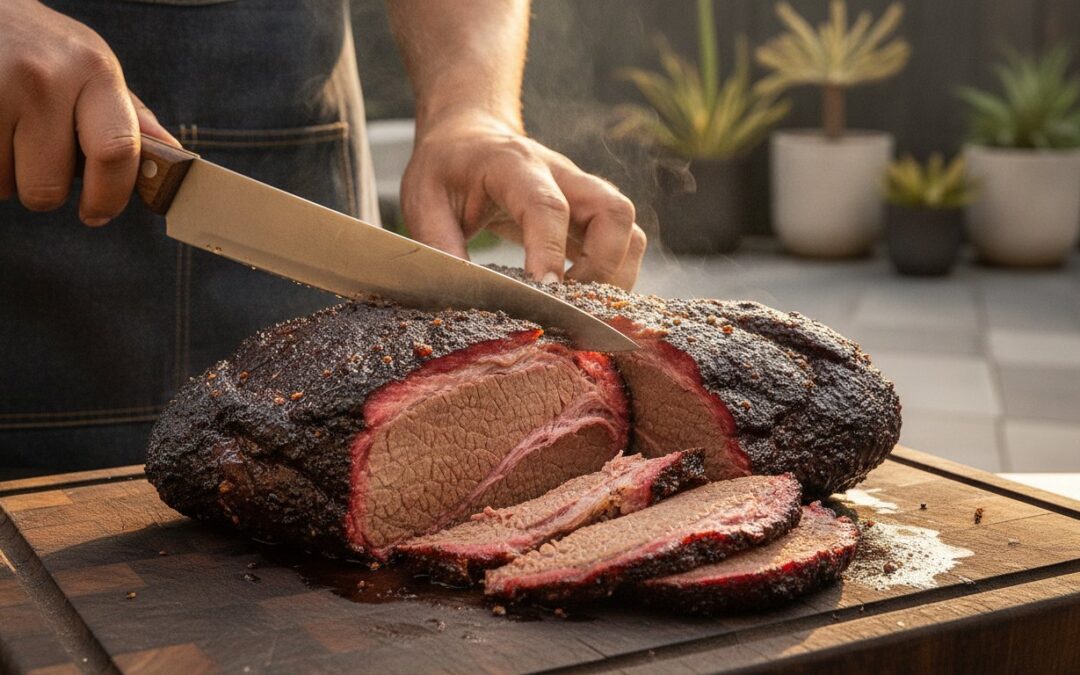
A sous vide machine is a luxury, not a requirement for professional-grade results. Many pitmasters believe that reheating smoked brisket without a sous vide actually preserves the integrity of the bark better than simmering it in a plastic bag. You spent hours...
by manager_silvio | Sep 3, 2026 | Uncategorized
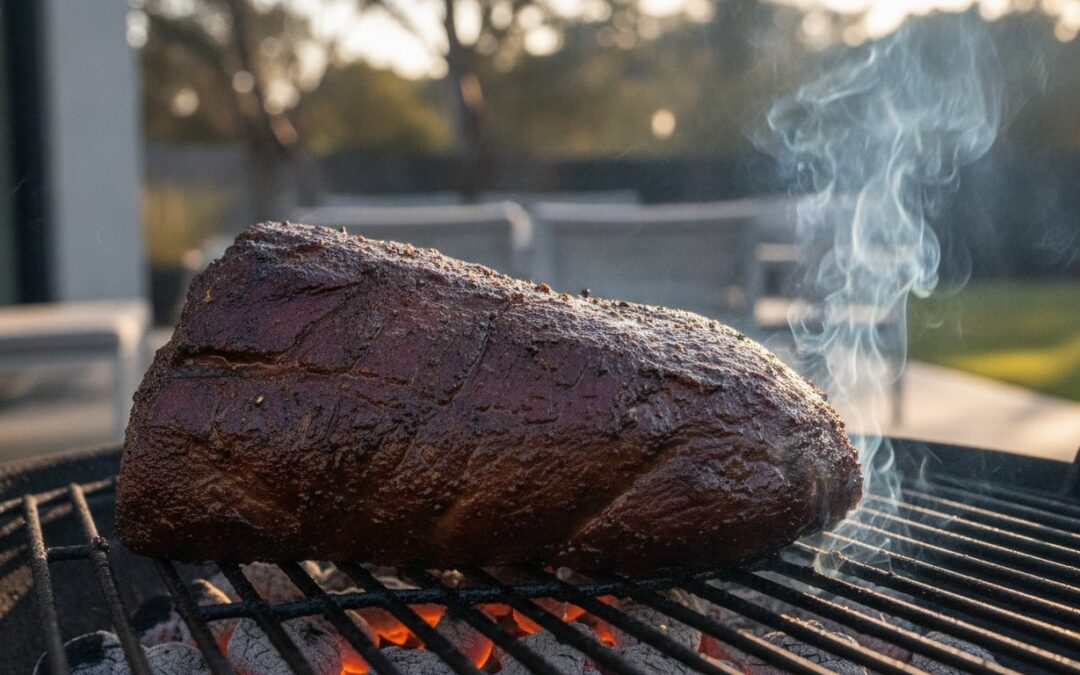
Dumping an entire bag of wood chips onto your coals is the fastest way to ruin a premium cut of meat with bitter, acrid smoke. Many enthusiasts struggle with how to get more smoke flavor from charcoal grill setups without ending up with food that tastes like lighter...
by manager_silvio | Sep 2, 2026 | Uncategorized
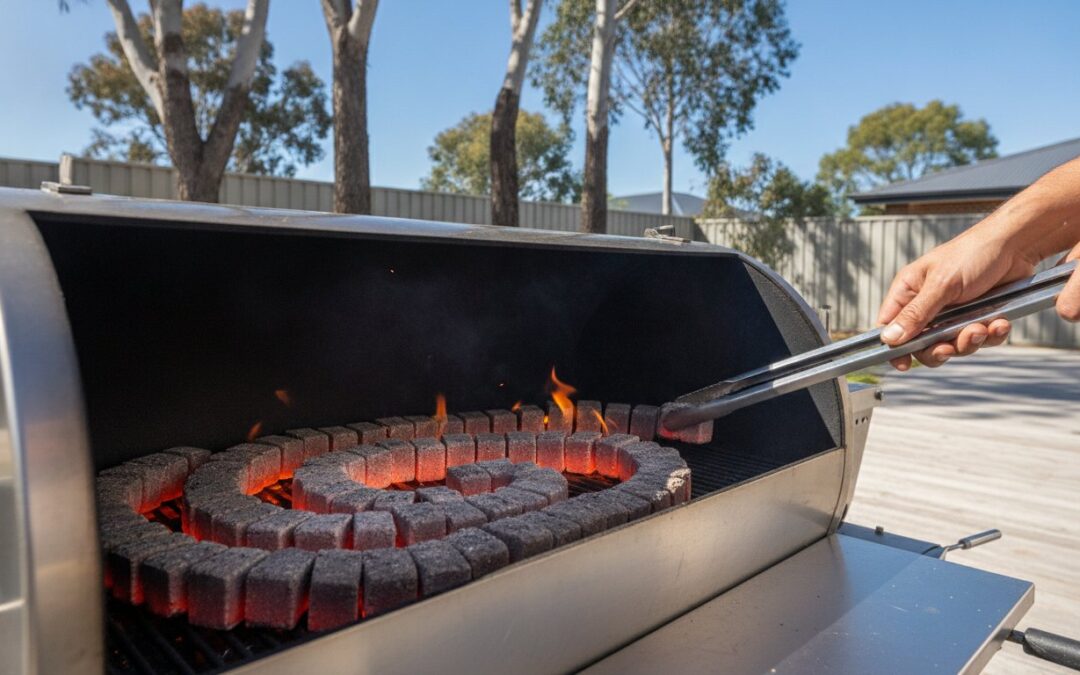
A 12-hour low-and-slow cook is a high-stakes investment in time and money that you cannot leave to chance. Consistency is the soul of great BBQ. While many hobbyists chase the intense, erratic heat of lump wood, the professional’s secret to a flawless bark and...
by manager_silvio | Sep 1, 2026 | Uncategorized
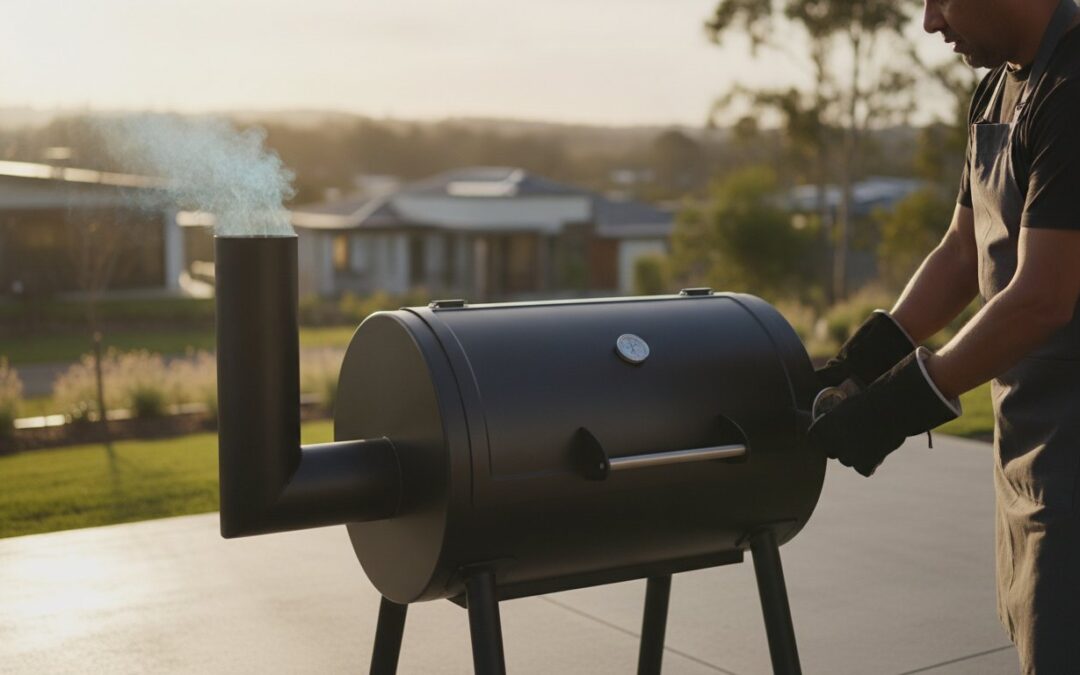
Your smoker is a thermal engine, not just a metal box, yet most off-the-shelf rigs leak heat and air like a sieve. You have likely felt the frustration of a temperature spike ruining a long cook or the sting of bitter, creosote-covered meat caused by poor combustion....
![Best Firewood for Smoking: Ultimate Pitmaster’s Guide [2026]](https://www.charcoalkings.com.au/wp-content/uploads/2026/08/best-firewood-for-smoking-ultimate-pitmasters-guide-2026-1080x675.jpg)
by manager_silvio | Aug 31, 2026 | Uncategorized
That premium Wagyu brisket you spent twelve hours tending can be ruined in seconds by a single piece of unseasoned, resinous timber. Finding the best firewood for smoking is the difference between a bitter, acrid mess and a masterpiece of clean flavour. You’ve...
by manager_silvio | Aug 30, 2026 | Uncategorized
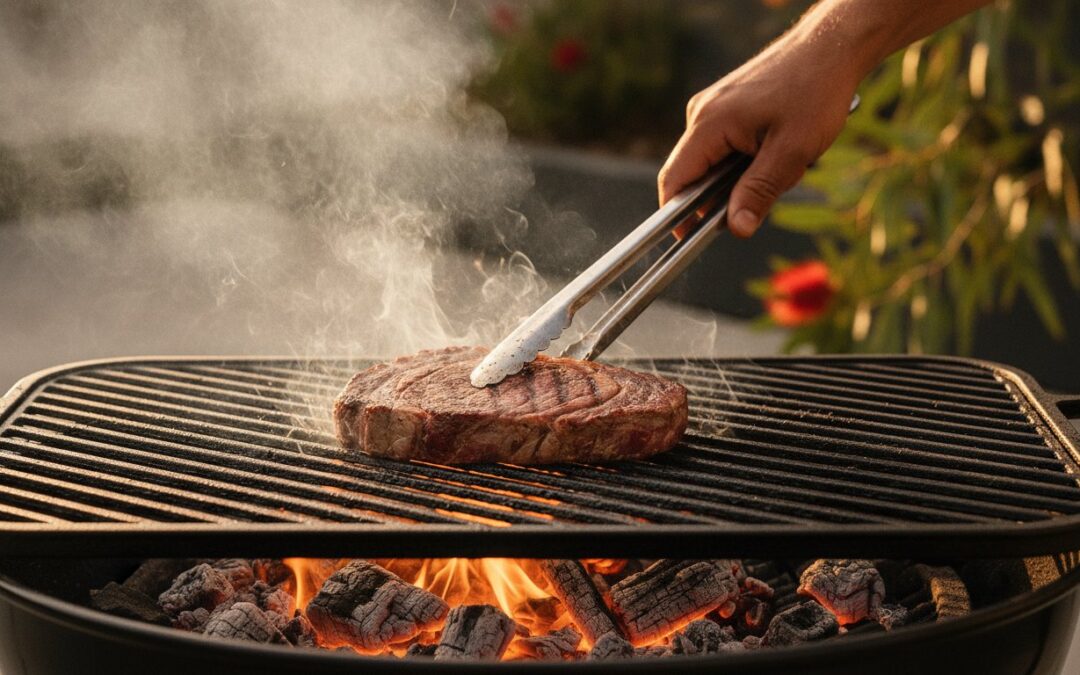
Most backyard cooks treat fuel as an afterthought, but for a professional pitmaster, the right charcoal is a performance ingredient that dictates the success of the entire cook. You’ve likely felt the frustration of supermarket briquettes that struggle to reach...
by manager_silvio | Aug 29, 2026 | Uncategorized
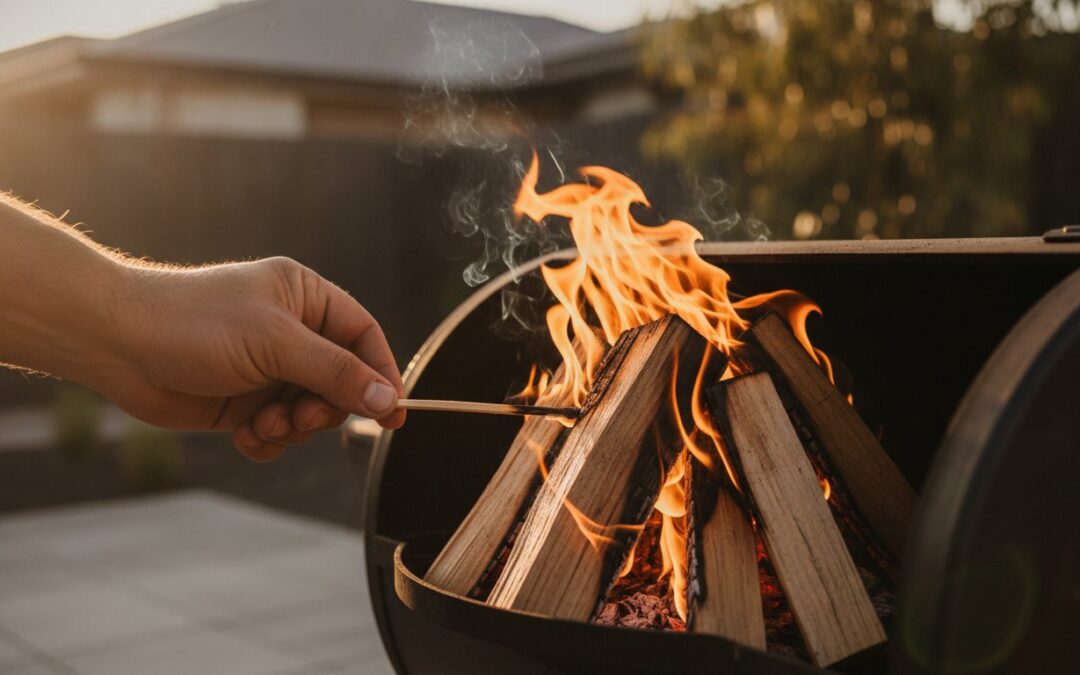
A roaring fire is not a matter of luck; it is a matter of precision. Most people treat kindling wood as an afterthought, grabbing whatever scrap or chemical-laden starter is within reach. This is a mistake that leads to immediate frustration. If your fire fizzles out...
by manager_silvio | Aug 28, 2026 | Uncategorized
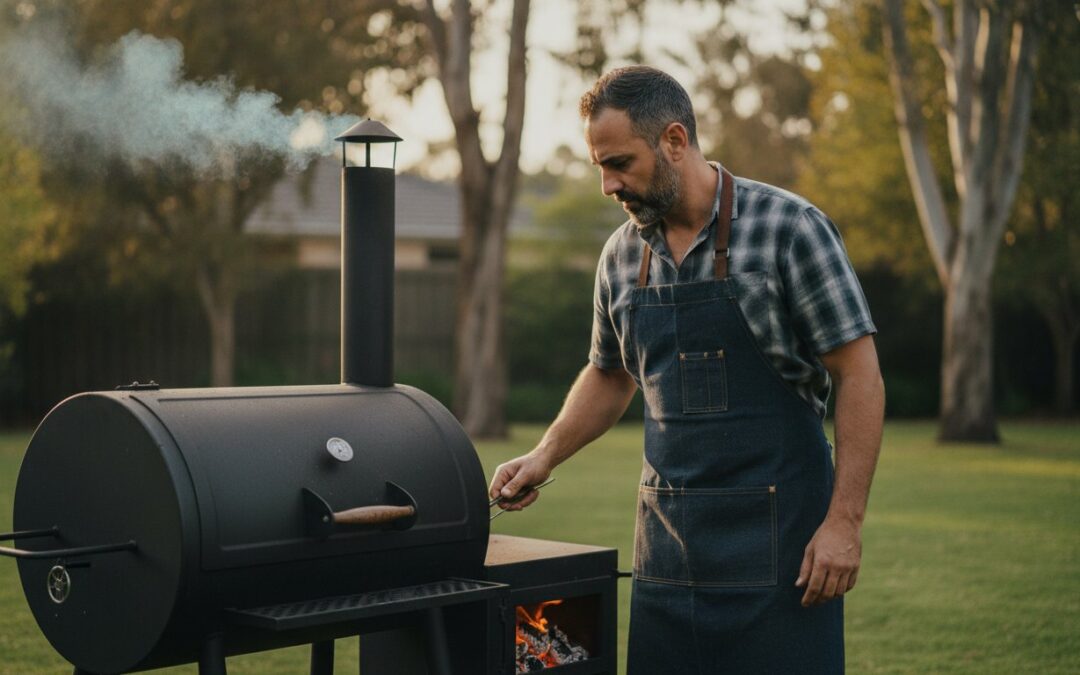
A charcoal smoker is not a simple outdoor grill; it is a thermodynamic engine where fuel purity dictates every note of flavour. Most pitmasters have experienced the frustration of wild temperature fluctuations or the bitter, acrid taste of dirty smoke that can...
by manager_silvio | Aug 26, 2026 | Uncategorized
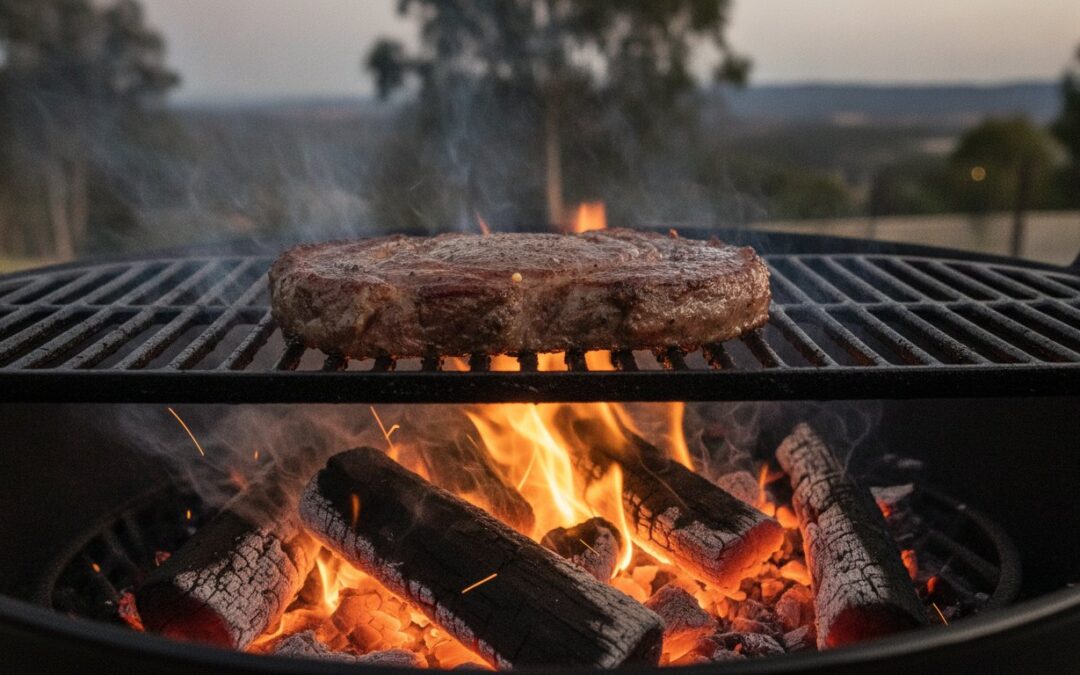
Most backyard cooks don’t realize that premium hardwood lump charcoal can reach temperatures exceeding 600°C; standard supermarket briquettes often peak at a measly 250°C. If you’ve ever struggled with a weak sear or a low and slow cook that died out...
by manager_silvio | Aug 25, 2026 | Uncategorized
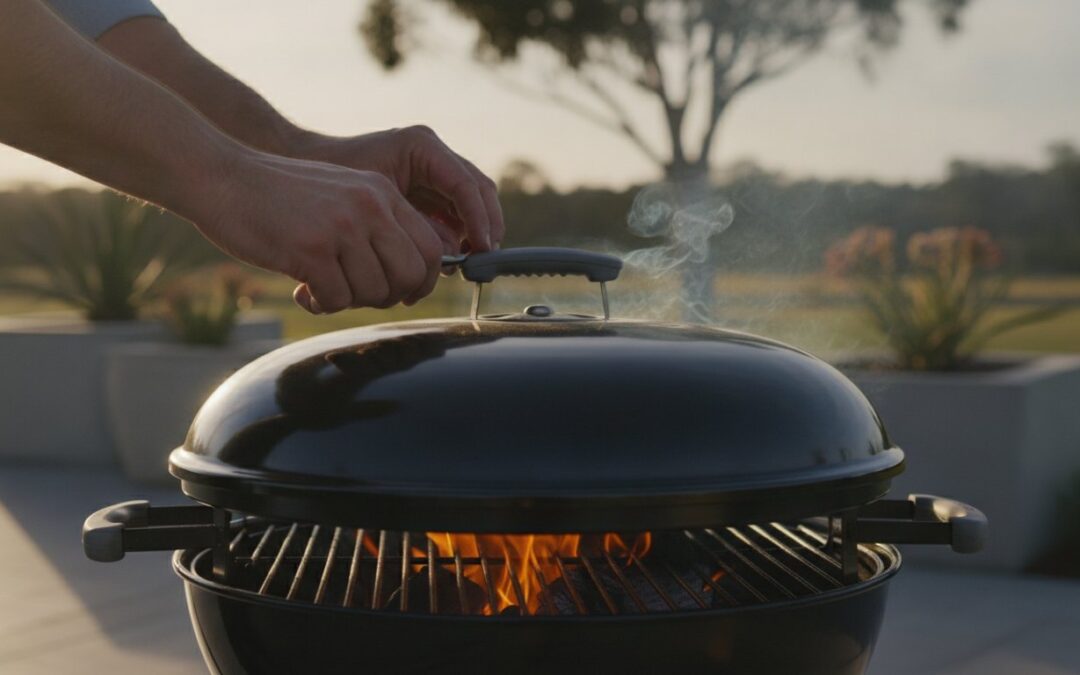
Most backyard cooks treat their grill vents like a suggestion, but a true pitmaster knows they are the precision throttle of a high-performance engine. It’s a common frustration to watch a premium cut of meat suffer because the heat spiked while you stepped away...