
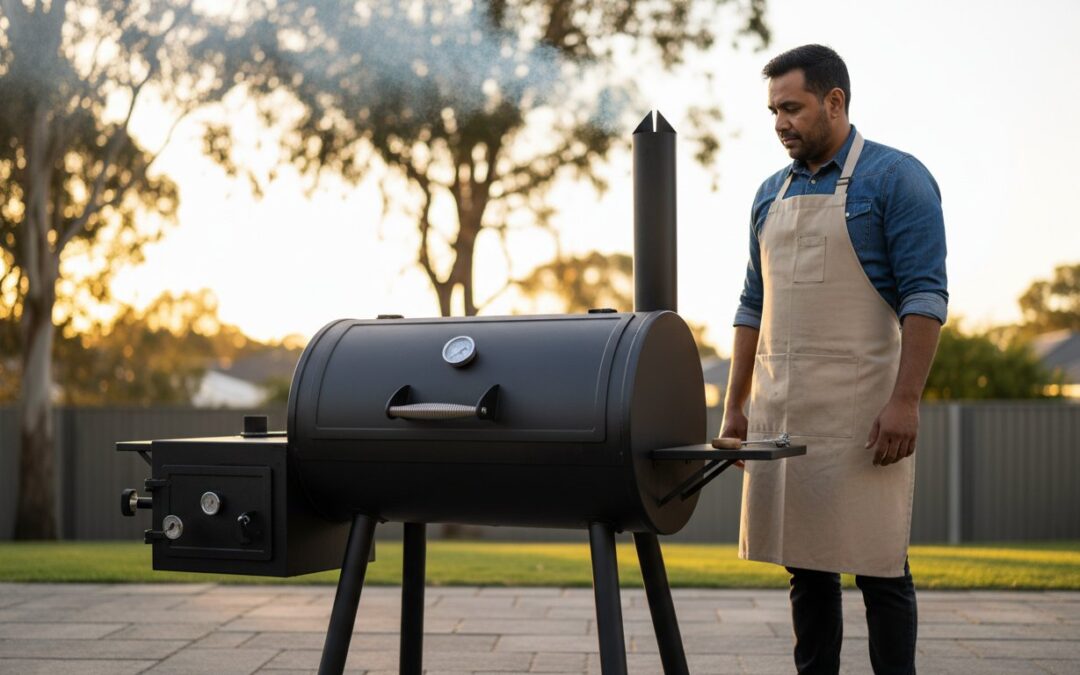
Most backyard pitmasters believe a brand new rig is the only way to fix bad barbecue, but your current smoker is likely just a few modifications away from professional performance. You’ve felt the frustration of fighting wild temperature swings while watching your fuel disappear into a dirty, inefficient fire. It’s exhausting to babysit a cooking chamber for twelve hours only to end up with the bitter, creosote flavor of a choked flame. We agree that a smoker should work for you, not against you.
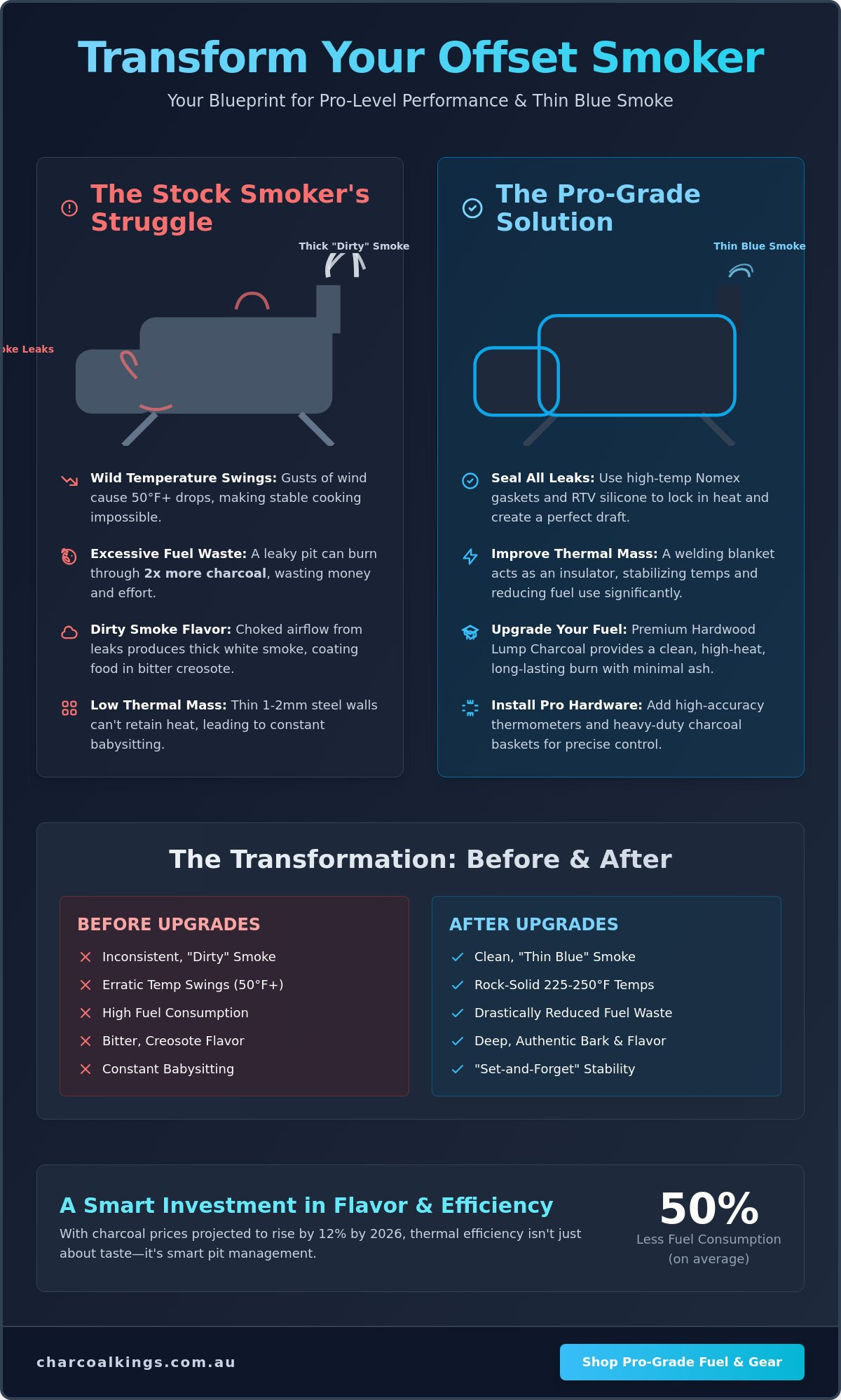
By upgrading your offset smoker with high-flow hardware and superior thermal mass, you’ll finally master the art of the thin blue smoke. This guide promises to transform your results by delivering stable 225-250°F temperatures and drastically reducing fuel waste. We’ll explore the essential gear modifications and the pure carbon fuel strategies, including the use of premium hardwood lump charcoal and specific smoking woods, to ensure every cook is consistent and clean. With charcoal prices projected to rise by up to 12 percent in 2026, thermal efficiency isn’t just about flavor; it’s about smart, professional pit management.
Key Takeaways
- Understand how increasing thermal mass stabilizes temperatures and transforms a basic rig into a professional-grade tool.
- Seal critical leaks with high-temp gaskets and silicone to lock in heat and significantly reduce fuel consumption.
- Master the vacuum effect of a proper draft to achieve the clean, thin blue smoke that defines world-class barbecue.
- Learn why upgrading your offset smoker with premium hardwood lump charcoal is essential for a pure, high-heat burn without the ash buildup of cheap fillers.
- Implement pro-level hardware like high-accuracy thermometers and heavy-duty charcoal baskets to maintain precise control over every cook.
The Offset Smoker Learning Curve: Why Upgrades Matter
Most backyard pitmasters start with a big-box store offset. These units provide an affordable entry point into the world of stick-burning, but their thin steel construction creates a significant barrier to thermal mastery. Entry-level smokers are typically built with 1mm to 2mm steel walls. This thin metal lacks thermal mass, which is the material’s ability to absorb and retain heat. Without sufficient mass, your cooking temperature is at the mercy of the environment. A single gust of wind or a sudden drop in ambient temperature can cause a 50 degree swing inside the chamber, forcing you to constantly adjust the dampers.
For those seeking a foundational understanding of these processes, Wikipedia provides a comprehensive overview of smoking techniques that underscores the importance of steady heat. In Australia, where weather conditions shift rapidly from searing summer heat to biting coastal winds, a stock smoker often fails to maintain the “Sweet Spot” of 225 to 250 degrees Fahrenheit. This instability leads to “dirty smoke,” a thick, white exhaust that coats meat in bitter creosote. The goal is always the “thin blue smoke,” which is a nearly invisible, sweet-smelling draft that indicates a clean, efficient fire.
To better understand the practical challenges of stock units and how to fix them, watch this demonstration of simple modifications:
Identifying Performance Bottlenecks
Visual signs of heat loss are often obvious once you know where to look. If you see smoke billowing from the edges of the cooking chamber door or the chimney joins, you are losing more than just flavour. You are losing the pressure required to create a proper draft. This leakage “chokes” the firebox, causing oxygen starvation and soot buildup on your food. Upgrading your offset smoker is the only way to stop this cycle. Thin metal also drives up fuel consumption. During a long overnight cook, a leaky, uninsulated pit can burn through twice as much Hardwood Lump Charcoal as a modified unit, making your hobby unnecessarily expensive.
The Goal: Set-and-Forget Stability
True mastery means reaching a state of set-and-forget stability. While pellet grills offer convenience, they cannot match the deep, authentic bark produced by a well-tuned offset. By upgrading your offset smoker, you bridge the gap between manual labor and automated precision. Before you begin making permanent modifications, such as installing the $199.99 Oklahoma Joe Ultimate Upgrade Kit or similar hardware, establish a baseline. Run a test cook without meat to record how long your pit stays at target temperature. This data allows you to measure the tangible impact of every seal, gasket, and baffle you install.
Sealing and Insulation: Locking in Heat and Flavour
A stock offset smoker is rarely airtight. Gaps between the doors and the main body allow heat to escape and oxygen to enter where it isn’t wanted. This ruins the controlled draft needed for thin blue smoke. By upgrading your offset smoker with high-temperature seals, you transform a leaky metal box into a precision instrument. High-temperature Nomex gaskets are the industry standard for cooking chamber and firebox doors. These self-adhesive strips create a compression seal that stops smoke from bleeding out. For permanent joins and bolt holes, food-safe RTV high-temp silicone provides a durable barrier against air leaks. You should also consider installing adjustable toggle clamps. These provide a mechanical lock that pulls the door tight against the gasket, ensuring a consistent seal every time you close the lid.
Australian conditions demand extra protection. Coastal winds and high humidity can quickly sap heat from thin-walled units. Using a heavy-duty welding blanket during winter or windy days acts as an external insulator, significantly reducing your fuel consumption. If you find your fire is burning through inventory too fast, stocking up on quality BBQ accessories and fuel is a wise investment for long-duration cooks.
Advanced Gasket and Sealant Techniques
Success starts with preparation. You must remove factory paint, grease, and carbon buildup from the door flange before applying any adhesive. Use a wire brush or sandpaper to reach bare metal for a permanent bond. To find every leak, perform the ‘Dollar Bill Test’. Close the door on a dollar bill at various points around the seal. If the bill slides out easily, that area needs more attention. Use felt or fiberglass gaskets for the cooking chamber. For the firebox, where temperatures are much higher, stick to high-grade silicone or specialized heat-resistant seals that won’t melt under direct flame contact.
Building Thermal Mass Internally
Internal modifications are just as vital as external seals. Firebricks are an affordable way to add a ‘heat battery’ to your smoker. Lining the bottom of the cooking chamber with unglazed firebricks helps smooth out temperature spikes. These bricks absorb energy and radiate it back steadily, preventing the wild fluctuations common in thin-walled pits. Heavy-duty steel plates or a dedicated baffle system can also protect meat from direct firebox radiation. While a water pan adds humidity to help smoke adhere to the meat, it also acts as a thermal ballast. It requires energy to heat the water, which provides another layer of stability to your target temperature range. Upgrading your offset smoker with these internal components ensures your rig holds its “Sweet Spot” even when you open the door to spritz.
Optimising Airflow for the Perfect Draft
The draft is the engine of your pit. It is a vacuum effect where oxygen enters the firebox, expands as it heats, and races toward the chimney. This movement pulls fresh air into your fire. Without a strong draft, your fire smolders and produces bitter soot. Upgrading your offset smoker with better airflow components ensures the fire stays hot and the smoke stays clean. A clean draft is the only way to achieve the professional flavour profile you want.
Chimney design is a common bottleneck in entry-level units. Many stock smokers feature chimneys that are too short to create a significant pressure differential. A taller chimney increases the velocity of the air moving through the cooking chamber. This helps pull heat away from the firebox more efficiently. It prevents the meat closest to the fire from burning while the other side remains cold. Proper diameter is also vital; a chimney that is too narrow will choke the fire and lead to a buildup of stale smoke.
The Science of Convection in an Offset
Hot air naturally rises. In a standard setup, smoke often hugs the roof of the chamber. This means your meat does not get the full benefit of the convection current. You can solve this by lowering the internal chimney opening to the level of the cooking grate. This modification forces the hot air and smoke to dive down and envelop the meat before it can escape. Adding a stack extension is another effective strategy. Increasing the chimney height by 30 to 60 centimeters creates a stronger draw. This is vital for maintaining a clean fire in humid or stagnant Australian conditions where the air can feel heavy and still.
Tuning Plates vs. Baffle Plates
The area where the firebox meets the cooking chamber is a notorious hot spot. A heat baffle is a fixed steel plate that redirects this radiant energy downward. Tuning plates offer more precision. These are heavy, movable steel sections that sit below the grates. By upgrading your offset smoker with these plates, you can manage the heat flow across the entire pit. Gap them wider near the firebox and tighter as you move toward the chimney. This setup allows you to achieve a temperature variance of just 5 degrees from end to end.
Map your airflow with a biscuit test. Lay out slices of bread or biscuits across the grates. Fire the pit to 250 degrees and watch the browning pattern. If the bread near the firebox burns while the bread near the chimney is white, your plates need adjusting. Move the plates to close the gaps near the heat source. This ensures every piece of meat receives the same thermal energy. It takes the guesswork out of your cook and produces consistent, pro-level results every time.
Fuel Upgrades: Why Hardwood Lump Charcoal Changes Everything
Metal modifications provide the structure, but your choice of fuel dictates the outcome. Upgrading your offset smoker requires a shift from convenience-store briquettes to professional-grade fuel. Supermarket briquettes often contain chemical binders and fillers that produce excessive ash. This ash accumulates quickly, clogging your firebox grate and suffocating the draft you worked so hard to optimize with chimney mods. Purity is the standard here. High-carbon fuels like Binchotan or Professional Grade Lump Charcoal offer significantly longer burn times and higher heat output without the messy residue. This allows for a clean, efficient fire that doesn’t require constant intervention.
The Foundation: Building a Clean Coal Bed
A successful cook depends on a massive bed of glowing embers. This coal bed provides the consistent infrared heat necessary to ignite wood splits instantly, preventing the thick white smoke caused by smouldering logs. Using premium Hardwood Lump Charcoal ensures your base is composed of 100 percent natural timber. This provides the steady thermal energy required to maintain the vacuum effect in your cooking chamber. Effective ash management is simple with high-quality fuel. Since natural lump produces minimal waste, your airflow remains unobstructed for the duration of a 12-hour brisket cook. This stability is the secret to achieving pro-level results without the frustration of temperature crashes.
Selecting Purity Over Convenience
Never compromise on the “No Additives” rule. Chemical binders in cheap fuels ruin the delicate flavour profile of your meat and can leave a metallic aftertaste. When upgrading your offset smoker experience, match your smoking woods to the density of your charcoal. Australian hardwoods like Ironbark or Gidgee are the gold standard for their clean burn and deep flavour. These dense woods require a hot coal bed to ignite properly. If your coal bed is weak, your wood splits will smoulder and create bitter creosote rather than the sweet, thin blue smoke you need. You must learn to read your fire to maintain peak performance. By applying Mastering the Art of Barbecuing with Charcoal techniques, you can identify the exact moment to add fuel before your temperatures begin to dip. This proactive approach ensures a steady stream of flavour-packed heat.
If you want to achieve pro-level results, you need a fuel source that burns hot, clean, and long. Explore our range of premium hardwood lump charcoal to fuel your next masterwork and experience the difference that pure carbon makes.
Pro-Level Accessories and Maintenance for Longevity
Hardware modifications aren’t complete until you have the right tools to monitor and manage the internal environment. Stock thermometers are notoriously inaccurate, often varying by as much as 30 degrees from the actual grate temperature. This variance makes precision cooking impossible. By upgrading your offset smoker with professional-grade gauges like Tel-Tru or multi-probe digital thermometers, you gain real-time data on the heat hitting your meat. Accurate temperature readings are the difference between a dry brisket and a competition-quality finish.
Essential Hardware Add-ons
A heavy-duty charcoal basket is a non-negotiable upgrade for any serious pitmaster. These baskets keep your fuel off the floor of the firebox. This elevation allows oxygen to flow underneath the coals, preventing the ash buildup that suffocates a fire mid-cook. Without a basket, you’ll find yourself constantly poking the embers to maintain the draft. You should also consider grate upgrades. Transitioning from thin factory wire to expanded metal or heavy-duty stainless steel provides better heat retention. These materials hold their thermal energy longer, which helps maintain chamber stability when you open the door to spritz or wrap your meat.
Protecting the Seasoning and Steel
Once you finish upgrading your offset smoker with new tuning plates or gaskets, you must protect the raw steel. High-heat modifications often strip factory finishes. You need to re-season these areas immediately to prevent rust from taking hold. Apply a thin, even layer of high-smoke-point oil to every new metal surface and fire the pit to 300 degrees. This process “bakes in” a protective carbon layer that is both durable and non-stick. This seasoning acts as a natural barrier against the corrosive effects of salt and moisture.
External care is equally important in harsh environments. The Australian sun and heavy rain will degrade your pit if it is left exposed. Use a heavy-duty, UV-rated cover to prevent the paint from fading and the steel from pitting. Your cleaning routine should be thorough but efficient. Scrape away heavy grease and carbon buildup after every cook, but don’t strip the seasoning back to bare metal. Maintaining this protective layer ensures your smoker remains a lifetime investment. A well-maintained pit performs better, uses less fuel, and produces cleaner flavour every time you light the firebox.
Ready to fuel your newly upgraded pit? Shop our range of premium hardwood charcoal and smoking woods and start your next cook with professional-grade energy. It’s time to put your modifications to the test. Get after it.
Take Command of Your Pit Performance
Achieving thermal mastery is a deliberate process of mechanical refinement and precise fuel selection. You’ve learned that sealing leaks and optimizing the draft are essential steps toward stabilizing your cooking chamber. These hardware modifications provide the necessary foundation, but the purity of your fuel determines the final flavour profile. By upgrading your offset smoker with high-carbon materials and maintaining a clean coal bed, you eliminate the bitter creosote that ruins world-class barbecue.
We are a specialist Australian supplier committed to providing the high-standard fuels required for pro-level results. Our expertise ensures you receive only the best hardwood lump charcoal and smoking woods without additives or fillers. With stockists across South Australia and efficient nationwide shipping, getting the right fuel for your modified rig is straightforward. It is time to stop fighting your equipment and start producing the thin blue smoke that defines a master pitmaster.
Upgrade your fuel game with Charcoal Kings’ Premium Hardwood Lump and experience the synergy of thermal mass and pure carbon. Your best cook is just one firebox away. Get after it.
Frequently Asked Questions
Is it worth upgrading a cheap offset smoker?
Upgrading a cheap offset smoker is definitely worth the investment because it corrects the thermal instability of thin-walled metal. Most entry-level units struggle to hold heat, but adding gaskets and internal mass allows them to perform like high-end rigs. It is a cost-effective way to achieve professional results without spending thousands on a custom-built 6mm steel pit.
How do I stop my offset smoker from leaking smoke?
You can stop your smoker from leaking by applying high-temperature Nomex gaskets to the cooking chamber and firebox doors. Use food-safe RTV high-temp silicone to seal the chimney base and any bolt holes. Adding adjustable toggle clamps provides the mechanical pressure needed to keep the doors tightly sealed against the gaskets during long cooks.
What are the best tuning plates for an offset smoker?
The best tuning plates are constructed from 6mm heavy-duty steel to provide maximum thermal retention. These movable plates sit below the grates and allow you to micro-manage the heat flow across the entire chamber. By adjusting the gaps between the plates, you can eliminate hot spots and achieve a consistent temperature from the firebox to the chimney.
Can I use charcoal instead of wood in an offset?
Charcoal is an excellent primary fuel source for an offset smoker. Premium hardwood lump charcoal provides a stable, high-heat coal bed that is far more reliable than wood alone. Using charcoal as your base allows you to add wood splits for flavour without having to manage a massive log fire. This approach ensures cleaner combustion and better temperature control.
How do I get thin blue smoke in my offset?
Thin blue smoke is the result of a hot fire and plenty of oxygen. You must maintain a clean coal bed and avoid overloading the firebox with cold wood splits. Pre-heat your wood on top of the firebox before adding it to the flames. This ensures instant ignition and prevents the thick, white smoke that causes bitter creosote on your meat.
Why does my offset smoker temperature keep dropping?
Dropping temperatures are often caused by ash buildup suffocating the fire. Upgrading your offset smoker with a raised charcoal basket allows ash to fall away from the burning fuel, keeping the oxygen flow clear. Poor insulation in thin-walled units can also cause heat loss, especially during windy conditions. Check your seals and consider using a welding blanket to retain heat.
Should I extend the chimney on my offset smoker?
Extending the chimney is a pro-level move that significantly improves the draft. A taller stack increases the pressure differential, which pulls more oxygen through the intake and across the cooking grates. This modification is particularly useful in Australia, where high humidity can often make the air feel heavy and stall the natural convection current inside your pit.
How often should I clean the inside of my offset pit?
You should perform a light cleaning after every cook by scraping the grates and removing excess ash. A deeper internal clean is recommended every few months to prevent grease buildup from becoming a fire hazard. Use a plastic scraper to remove carbon flakes from the lid, but avoid using abrasive tools that might strip the protective seasoning from your steel plates.