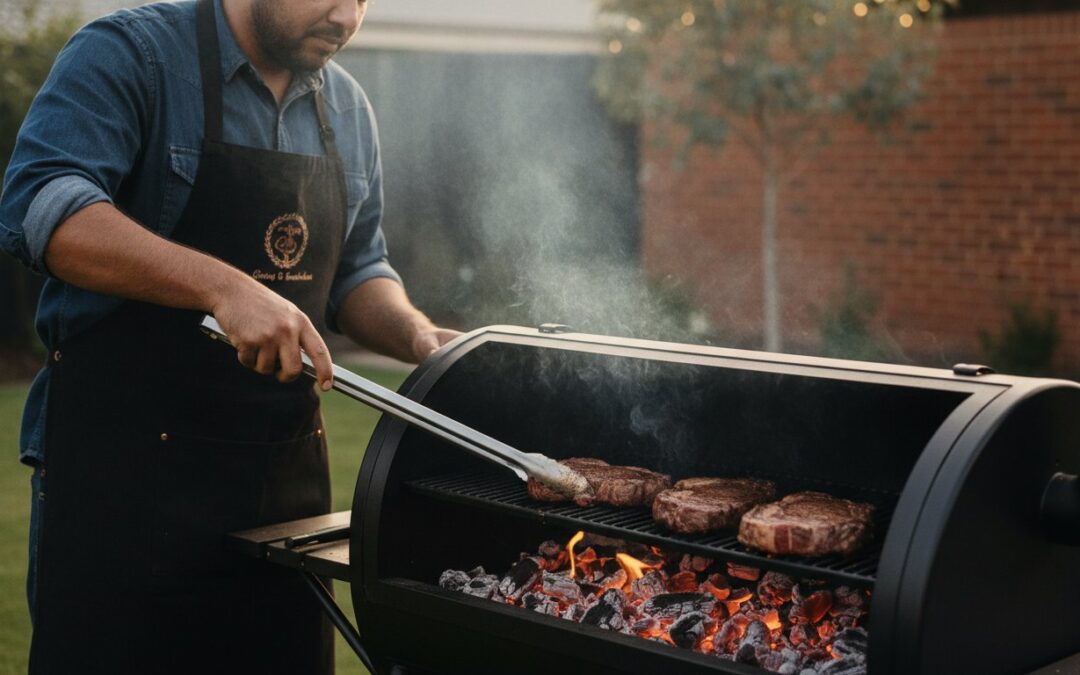
Gas grilling is merely outdoor plumbing. True BBQ requires a sensory dialogue between the pitmaster, the fuel, and the meat that a simple dial cannot replicate. You’ve likely felt the frustration of a fire that won’t stay consistent or, worse, a steak that tastes more like lighter fluid than premium beef. It’s a common hurdle for many Australian backyard cooks who want authentic results without the chemical aftertaste. Choosing the right fuel is the first step toward mastery, which is why understanding the performance differences in lump charcoal vs briquettes is essential for any serious pitmaster.
This masterclass settles the fuel debate by focusing on purity and heat performance. You’ll discover how to harness the intense, clean heat of Hardwood Lump and the steady, predictable endurance of high quality Briquettes to achieve professional results every time. We provide an expert guide to fire management, temperature control, and the use of specialized fuels like Binchotan. You’ll gain the confidence to master the flame and deliver the deep, smoky flavour profiles that define world class BBQ craft. It’s time to stop fighting your grill and start commanding it.
Key Takeaways
- Master the transition from sterile gas cooking to the authentic, sensory experience of live-fire BBQ.
- Identify the specific performance benefits of lump charcoal vs briquettes to match your fuel to your cooking method.
- Learn to command your grill’s temperature by mastering airflow control and oxygen management through vent adjustments.
- Understand why 100% natural hardwood fuel is essential for eliminating chemical odours and achieving pure flavour profiles.
- Select the right vessel for your craft, from high-heat Hibachi grills to long-duration Offset Smokers.
The Primal Appeal: Why We Are Rediscovering the Joy of Cooking with Fire
The appeal is deeply sensory. You hear the sharp crackle of igniting timber. You see the visual feedback of glowing embers. The aroma of burning hardwood is unmistakable. To understand the foundation of this craft, one must ask: What is charcoal? At its core, it is carbonised wood, providing a clean, intense heat source. Deciding between lump charcoal vs briquettes is the first step in tailoring your fire to your specific menu.
To better understand how these fuels behave in a real-world setting, watch this helpful guide:
Flavour Profiles Gas Cannot Replicate
Gas provides heat, but it doesn’t provide flavour. When meat drippings hit white-hot coals, fats vaporise instantly. These smoke aerosols rise and coat the food, producing that signature BBQ profile. Wood smoke acts as a literal ingredient. It seasons the meat from the outside in. The dry heat produced by charcoal is also superior for texture. It facilitates the Maillard reaction more effectively than gas. This results in a dark, seasoned crust known as bark. This textural contrast is the hallmark of professional BBQ.
The Ritual of the Light
The process starts long before the meat hits the grate. There is a meditative quality to stacking your fuel. You watch the fire take hold and wait for the smoke to turn from thick white to a thin, blue haze. This isn’t an instant-on experience. It’s intentional. You build a relationship with your grill through active fire management. By adjusting vents and monitoring the fuel bed, you become a manager of energy. Whether you are using lump charcoal vs briquettes, the goal remains the same: total control over the cook. It rewards those who value purity and performance over speed.
Understanding Your Fuel: Hardwood Lump Charcoal vs Briquettes
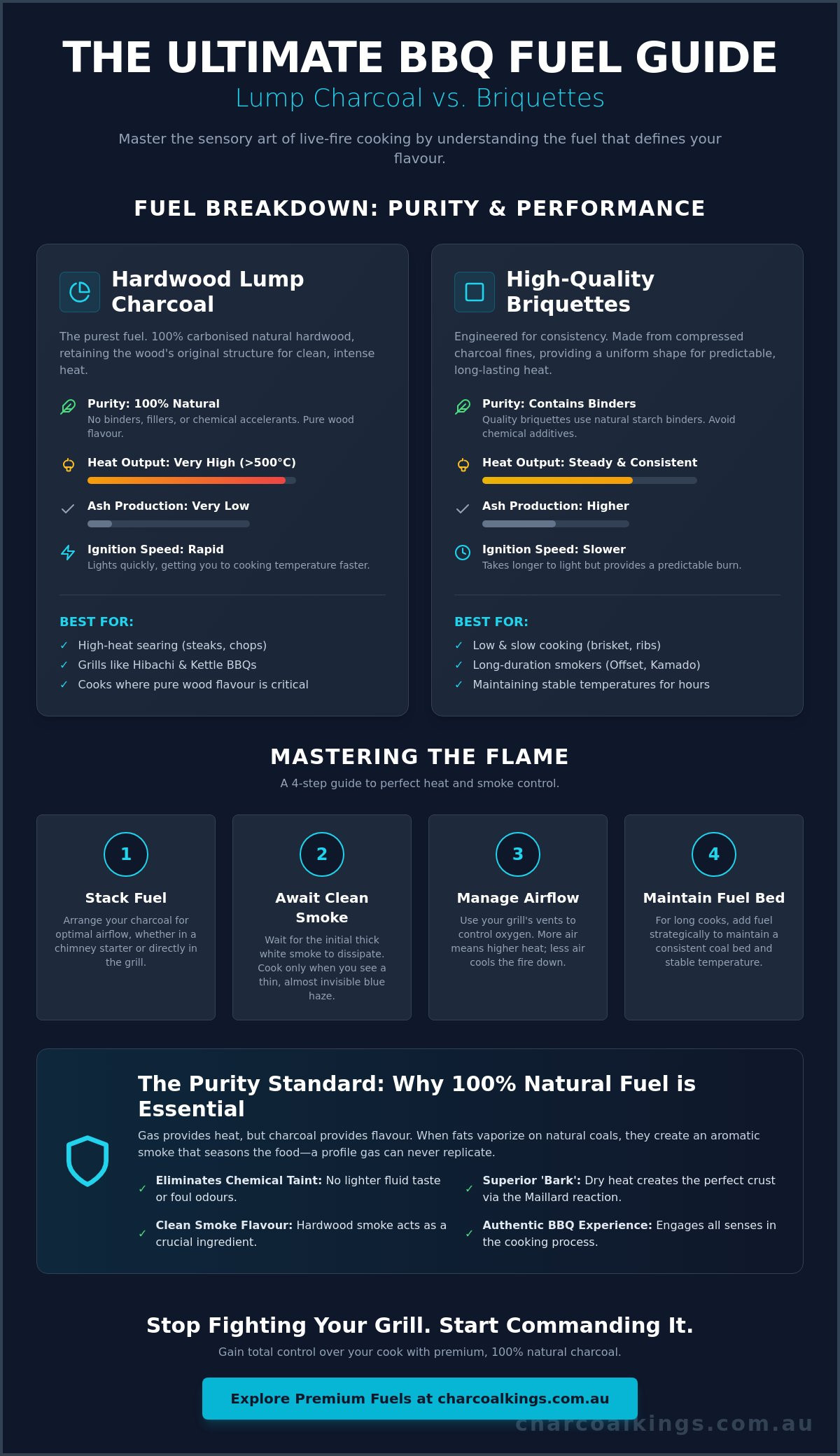
Hardwood lump charcoal is the purest form of fuel available for live-fire cooking. It is produced by heating timber in the absence of oxygen, a process deeply rooted in the history of charcoal production. Unlike manufactured alternatives, lump charcoal retains the organic cellular structure of the original tree. This purity is vital. Many supermarket fuels contain coal dust, mineral fillers, and chemical accelerants that produce foul odours. These additives can easily taint the flavour of your meat. Professional pitmasters demand 100% natural fuel to ensure the only thing seasoning the food is clean hardwood smoke.
The performance difference between lump charcoal vs briquettes is significant and dictates your cooking strategy. Lump charcoal ignites rapidly and reaches extreme peak temperatures, often exceeding 500°C. It produces very little ash because it contains no non-combustible binders. Briquettes offer a different advantage. They are designed for consistency, providing a predictable heat source for extended periods. Binchotan Charcoal is the undisputed King of Charcoal due to its incredible density and near-infinite burn duration.
Hardwood Lump Charcoal: The Versatile Workhorse
Australian hardwoods like Gidgee and Ironbark are prized globally for their high density. These timbers produce a lump charcoal that burns hotter and longer than softwoods or mixed biomass. This makes them a versatile workhorse for any setup. You can use them for high-heat searing of steaks or manage the airflow for a 12-hour low and slow brisket session. For a deeper dive into these fuel properties, read Charcoal: The Ultimate Guide to Fuelling Your BBQ. It’s the best choice for those who value flavour and heat performance above all else.
The Briquette Debate: Consistency vs Purity
Consistency is the primary benefit of the briquette. Their uniform size and shape ensure a steady, level heat bed that is easy to replicate across multiple cooks. However, the market is flooded with inferior mineral-filled options. These produce massive amounts of ash that can choke your grill’s airflow and cause temperatures to plummet. High-quality, all-natural hardwood briquettes use vegetable starch as a binder instead of chemicals. They provide the endurance required for long smoking sessions without the chemical residue. Proper ash management remains critical when using manufactured fuel. If you prioritize reliability for long cooks, selecting premium hardwood fuels is the only way to guarantee professional results.
Choosing Your Vessel: From Offset Smokers to Hibachi Grills
Your choice of hardware is as critical as the fuel you burn. A high-quality grill acts as a thermal engine. It must possess the thermal mass required to maintain steady temperatures despite external conditions. Heavy-duty builds, particularly those using 6mm or thicker Australian steel, provide the stability needed for professional results. Airflow control serves as your throttle. Without precise intake and exhaust management, even the best lump charcoal vs briquettes debate becomes irrelevant. The shape of your vessel dictates how convective heat and smoke move across the food, directly impacting the final flavour profile.
Matching the fuel to the vessel is a technical requirement. For instance, ceramic cookers excel at heat retention but are sensitive to ash buildup. Understanding how briquettes are made reveals why they may not be ideal for every setup. The binders and additives used in mass-produced options create high volumes of residue that can choke the narrow air intakes of ceramic grills. In contrast, heavy steel smokers are more forgiving but require a fuel that can generate significant energy to heat the metal. Choosing the right hardware is the foundation of your outdoor kitchen. For a detailed breakdown of available options, consult The Ultimate BBQ Buying Guide.
The Offset Smoker: For the Low and Slow Purist
The offset smoker is designed for the patient pitmaster. It separates the firebox from the cooking chamber, allowing for clean, indirect heat. This design prevents bitter soot from settling on the meat. Tending a fire over a 12-hour brisket session is a rewarding ritual. It requires a fuel bed that can sustain a long, even burn while providing the right smoke aerosols. Many purists prefer a mix of hardwood lump and smoking woods to achieve the deep, mahogany bark that defines authentic Texas-style BBQ. The rugged build of an offset smoker ensures that once you find your “sweet spot,” the temperature remains locked in.
Direct Grilling and the Hibachi Experience
Hibachi grilling offers an intimate, high-energy alternative to long smoking sessions. These compact vessels, whether made from traditional ceramic or modern steel, focus on rapid, high-heat caramelisation. It is about precision and speed. Use high-quality skewers and thin cuts of meat to take advantage of the intense infrared heat. This style of cooking is the perfect application for premium fuels that burn exceptionally hot and clean. To achieve the absolute peak of this craft, explore the heritage of Binchotan Charcoal: The Ultimate Guide to Japanese White Charcoal. This fuel provides the consistent, high-output heat required for authentic yakitori and table-side grilling.
Mastering Fire Management: A 5-Step Guide to Heat and Smoke
Fire management is where the hobbyist becomes a pitmaster. It is the transition from simply lighting a fire to actively managing energy. Oxygen is your primary tool. Adjusting the intake and exhaust vents acts as a throttle, allowing you to increase or decrease the intensity of the burn at will. Open vents flood the fire with oxygen and raise the temperature. Closing them starves the flame and cools the pit. Mastering these variables allows you to exploit the unique properties of lump charcoal vs briquettes without losing control of the cook.
You must also recognize the visual cues of a clean fire. Thick, billowy white smoke indicates incomplete combustion. This acrid smoke deposits bitter creosote on your meat and ruins the flavour profile. Aim for “Blue Smoke,” which is thin and almost invisible. This signals a clean-burning fire that seasons the food perfectly. To achieve this, always use a charcoal chimney for a chemical-free start. Avoid lighter fluid at all costs. It contains petroleum distillates that taint your food and the purity of your hardwood fuel. Upgrade your setup with professional-grade BBQ accessories to ensure a clean light every time.
The 5 Steps to a Perfect Fire
- 1. Clean the grate: Remove old ash from the firebox. Airflow is life; a clogged intake will cause your temperatures to stall.
- 2. Use a charcoal chimney: Fill the chimney with your hardwood lump and use natural firelighters. This provides a fast, even ignition without chemicals.
- 3. Establish a Two-Zone setup: Bank your hot coals to one side. This creates a direct searing zone and an indirect roasting zone for total versatility.
- 4. Wait for the fuel to ash over: Do not add meat too early. Wait until the charcoal is covered in a light grey or white ash to ensure the heat has stabilised.
- 5. Dial in the vents: Set your intake vent to reach the target temperature, then use the exhaust vent to fine-tune the smoke flow.
Managing the Snake Method and Low & Slow
For cooks lasting 8 hours or more, the Snake Method is an essential technique. It involves arranging your fuel in a semi-circle or “snake” around the edge of the grill. You ignite only one end, allowing the fire to travel slowly through the unlit fuel. This provides a remarkably consistent heat bed for long smoking sessions. When comparing the performance of lump charcoal vs briquettes in this setup, briquettes often provide a more uniform “snake” due to their consistent size. Add smoking wood chunks every few inches to provide a steady release of aromatic smoke throughout the duration. For a comprehensive walkthrough on these techniques, see Mastering the Art of Barbecuing with Charcoal: A Beginner’s Guide.
The Charcoal Kings Standard: Why Purity is the Ultimate Ingredient
Charcoal Kings exists for one reason: to preserve the integrity of live-fire cooking. We refuse to sell gas BBQs. Gas is a utility; fire is a craft. Every product we stock meets a strict standard of purity. Our commitment is simple. No chemicals. No additives. No fillers. Whether you are weighing up the merits of lump charcoal vs briquettes, our range ensures your meat never tastes like a refinery. We provide the Australian BBQ community with the same expert-grade fuel used in the nation’s top commercial kitchens. This is about performance, not convenience.
Consumables That Command Respect
Professional chefs choose our Binchotan and Hardwood Lump because they demand absolute flavour clarity. Sizing and density aren’t just aesthetic choices. They are performance metrics that ensure predictable burn rates and heat output. If your fuel is inconsistent, your cook will be too. We eliminate that variable. Our hardwood lump is sourced from dense, slow-growing Australian timbers to ensure maximum energy output and minimal consumption during long cooks. This sourcing process guarantees a product that burns cleaner and longer than anything found on a supermarket shelf. You get more heat per kilo and less waste in your ash tray. It’s an investment in the final result of your cook.
Join the Kingdom of Fire
Mastery extends beyond the firebox. We curate a selection of rubs, sauces, and heavy-duty accessories designed to complement our professional-grade fuels. These aren’t generic supermarket items. They are high-performance tools for serious cooks. If your fire management is failing or your temperatures are swinging, we provide the troubleshooting advice needed to fix it. We are seasoned experts who live the craft every day. We understand the nuances of airflow, thermal mass, and fuel density. Don’t settle for mediocre results or chemical-tainted food. Shop our range of Premium Hardwood Charcoal and start your journey toward BBQ mastery today. The fire is waiting. Get to work.
Master the Flame and Command Your Grill
Mastering live-fire cooking is a journey of precision and technical skill. You now understand that the choice between lump charcoal vs briquettes isn’t just about heat; it’s about the specific requirements of your menu and your hardware. Purity remains the ultimate ingredient for any pitmaster. By eliminating chemical binders and choosing 100% natural hardwood, you protect the integrity of the flavour and the performance of your grill. Command your temperatures through active vent management and trust the energy density of premium fuel.
We provide the high-performance consumables required for professional results. As a specialist Binchotan supplier and proudly Australian owned and operated business, we guarantee a standard of quality that mass-market brands cannot replicate. Our products contain zero additives, delivering only the clean, intense energy of carbonised timber. It’s time to stop settling for mediocre heat and start producing world-class BBQ.
Upgrade your BBQ game with Australia’s finest Hardwood Charcoal at Charcoal Kings and experience the difference that expert-grade fuel makes. Build your fire with confidence and claim your place as a master of the craft.
Frequently Asked Questions
Is cooking with charcoal healthier than gas?
Charcoal is a healthier choice when you use 100% natural hardwood fuel free from chemical binders. Pure carbonised wood burns clean, whereas gas contains chemical odorants and supermarket briquettes often include mineral fillers. By choosing natural fuel, you eliminate the risk of chemical aerosols tainting your food. This ensures the flavour remains organic and the cooking environment stays non-toxic for your family.
How long does it take to get a charcoal fire ready for cooking?
A charcoal fire typically takes 15 to 20 minutes to reach cooking temperature when using a chimney starter. You should avoid using lighter fluid, as it adds unnecessary time and chemical odours to the process. Once the top layer of fuel in the chimney is ashed over with a grey or white coating, it’s ready to be dumped into the grill. This efficiency allows you to focus on food preparation rather than fire management.
Can I use normal wood from my garden for BBQing?
You should never use unseasoned wood from your garden for BBQing. Most residential timber contains high moisture levels and sap that produce bitter, acrid smoke. Some species are even toxic when burned. Always use professional-grade smoking woods or hardwood lump charcoal to ensure a clean burn and safe consumption. This protects your health and the final flavour of your meat.
What is the best way to extinguish a charcoal fire after cooking?
The best method to extinguish your fire is to close all intake and exhaust vents to starve the coals of oxygen. This stops the combustion process naturally and preserves any remaining fuel for your next session. Don’t use water to douse a fire inside a ceramic or steel grill. The rapid temperature change can cause structural damage or create dangerous steam burns.
Why is my charcoal fire producing so much black smoke?
Black smoke is usually a result of incomplete combustion or grease flare-ups hitting the coals. It indicates that the fire isn’t receiving enough oxygen or that poor quality fuel with chemical additives is being used. When comparing lump charcoal vs briquettes, lump charcoal generally produces less smoke due to its high carbon purity. Ensure your vents are open and your grates are clean to maintain a clean-burning fire.
Is Binchotan charcoal worth the extra cost for home use?
Binchotan is worth the investment for home users who value high-heat precision and long burn times. While the initial cost is higher, its extreme density allows it to burn for up to 5 hours at a consistent temperature. It emits far-infrared heat that cooks meat from the inside out. This preserves moisture in a way that standard fuels cannot match, making it the ultimate choice for skewers and steaks.
How much charcoal do I need for a standard 4-hour BBQ session?
You will generally need between 2 and 4 kilograms of fuel for a standard 4-hour session, depending on your grill type and temperature goals. A low and slow cook using the Snake Method is more fuel-efficient than high-heat direct grilling. Understanding the efficiency of lump charcoal vs briquettes helps you plan your inventory. High-density Australian hardwoods provide the best energy output per kilogram, reducing the total fuel required.
Can I reuse charcoal that didn’t fully burn during the last cook?
You can absolutely reuse partially burned lump charcoal for your next cook. Simply shake the charcoal basket to remove old ash and top it up with a small amount of fresh fuel. This is a significant economic advantage of hardwood lump over manufactured briquettes, which often crumble into unusable dust. Reusing fuel reduces waste and lowers your overall cost per cook.