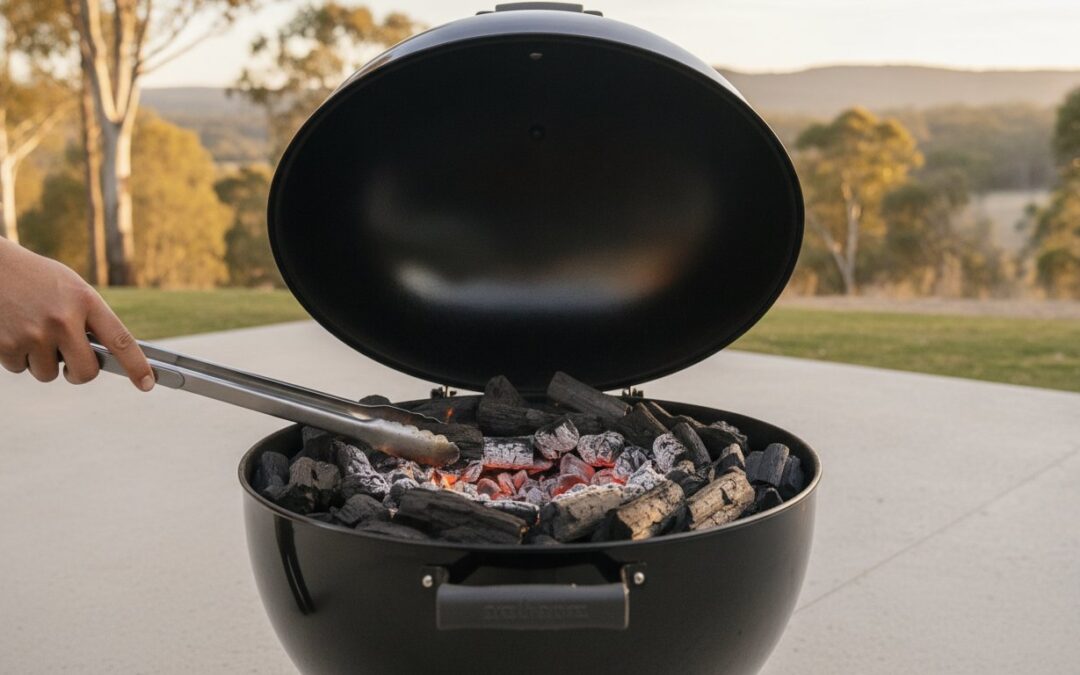
Your Weber Smokey Mountain is a precision instrument, but it’s only as reliable as the fuel you feed it. Using the wrong fuel leads to erratic temperature spikes and thick, bitter smoke that ruins a weekend cook. Finding the best charcoal for Weber Smokey Mountain requires a balance of energy density and low ash production. You need a fuel that burns clean and stays consistent for the long haul.
We understand the frustration of clearing ash mid-cook or dealing with the chemical smell of low-grade binders. You want to set your vents at 225 degrees and walk away for ten hours without hovering over the smoker. This professional fuel guide identifies the optimal charcoal choices to ensure your smoker maintains steady heat and delivers a superior flavor profile. We’ll examine how pure, additive-free fuel prevents the airflow blockages that kill your fire and helps you master the art of the long smoke.
Key Takeaways
- Understand how fuel density and airflow interaction determine temperature stability within the Weber Smokey Mountain’s vertical convection system.
- Evaluate the performance trade-offs between the predictable burn rates of briquettes and the superior flavor profile of premium hardwood lump charcoal.
- Master the Minion Method to achieve a “set and forget” thermal environment for 12-hour cooks without mid-session refueling.
- Select the best charcoal for weber smokey mountain by matching specific heat outputs and burn durations to your menu requirements.
- Learn why professional-grade, additive-free fuel is critical for preventing chemical odors and excessive ash buildup that blocks vital oxygen flow.
Why Fuel Selection is Critical for Weber Smokey Mountain Performance
The Weber Smokey Mountain (WSM) is a vertical water smoker designed for precision. It creates a specific thermal environment that relies on consistent convection currents to move heat from the bottom grate to the upper cooking racks. Because the WSM is a closed system, every variable matters. The fuel you select dictates how often you must adjust the bottom vents. High-density fuel provides a predictable burn rate, while low-quality options cause temperature swings that ruin a 12-hour cook. You don’t want to be fighting your smoker at 3 AM because your fuel choice was an afterthought.
To understand the foundation of your fire, it helps to look at the basics of what is charcoal and how carbonization affects energy output. For WSM owners, the fuel isn’t just a heat source; it’s a mechanical component. The charcoal ring has a specific volume. If you use fuel with low energy density, you’ll run out of space before your brisket reaches the finish line. Choosing the best charcoal for weber smokey mountain ensures you maximize the capacity of that ring for long sessions. Large, dense chunks of hardwood or high-quality briquettes allow for better oxygen flow between pieces. This prevents the fire from smothering itself, which is a common issue when using small, broken fragments that pack too tightly together.
To better understand how different fuel types perform under pressure, watch this comparison:
The Role of Airflow in Vertical Smokers
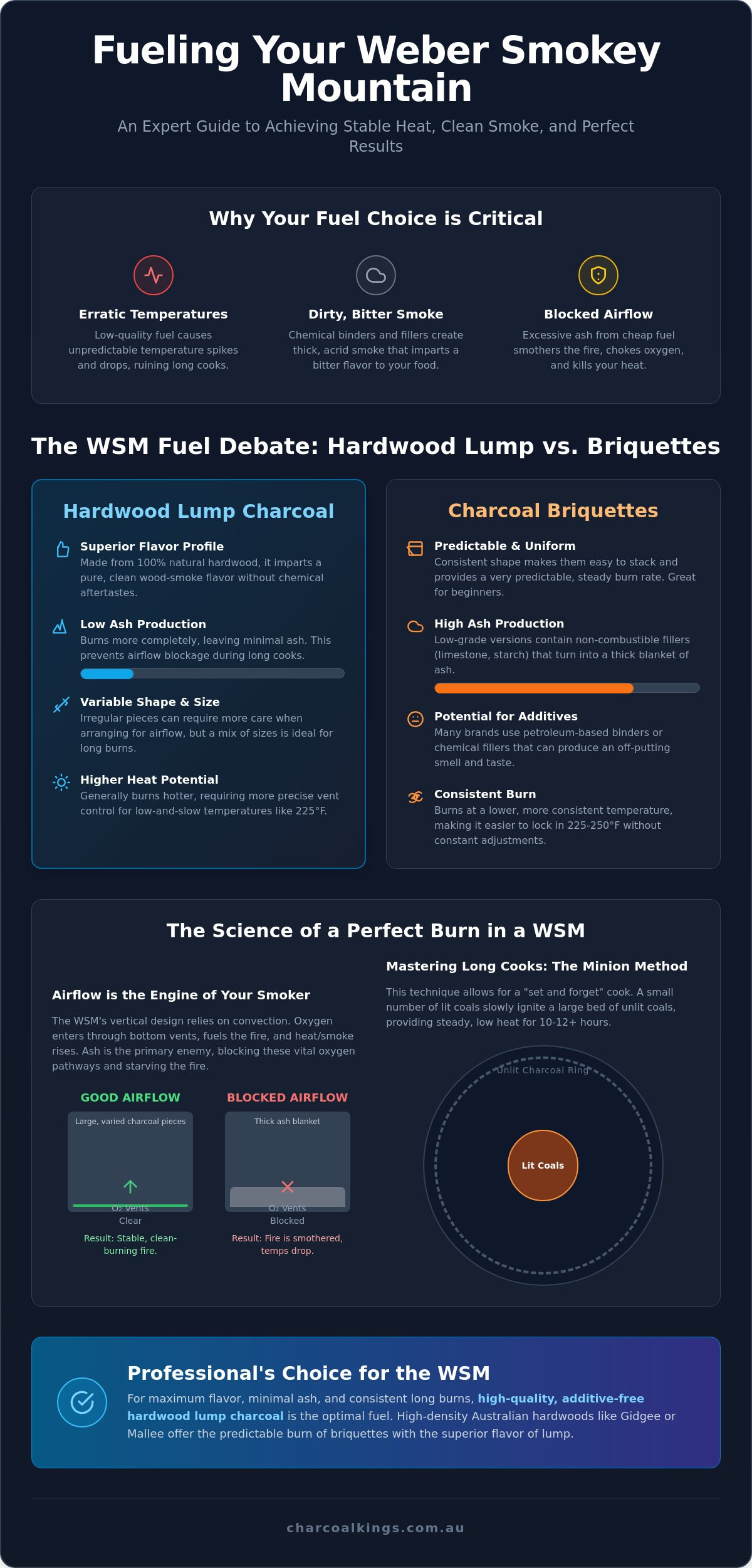
Airflow is the engine of the WSM. Three bottom vents regulate the oxygen reaching the fire basket. This system is delicate. High-ash fuel is the primary enemy of long sessions. As cheap charcoal burns, it leaves behind a thick layer of grey powder. This ash settles on the grate and chokes the fire by blocking the oxygen pathways. When this happens, temperatures drop, and you’re forced to shake the grate mid-cook. This releases soot and ruins the temperature stability you’ve worked to achieve. Varying the size of your fuel pieces also helps maintain oxygen pathways. If the fuel is too uniform and small, it creates a flat bed that resists airflow. The goal is a steady, slow crawl of fire through the basket.
Clean Heat vs. Dirty Smoke
Your fuel is your most important seasoning ingredient. Low-grade briquettes often contain petroleum-based binders and chemical fillers. During a long cook, these chemicals off-gas and permeate your meat. You want thin blue smoke, not the thick white clouds produced by industrial additives. Premium hardwood fuels reach this clean state quickly. They provide a pure wood-smoke flavor profile without the bitter aftertaste of industrial scrap. When searching for the best charcoal for weber smokey mountain, prioritize products that guarantee 100% natural composition. This ensures the only flavor on your ribs is the wood and the rub. Purity isn’t just a marketing term; it’s the difference between a professional result and a ruined dinner.
Hardwood Lump vs. Briquettes: The WSM Debate
The core of the WSM debate centers on the trade-off between thermal predictability and flavor purity. Most novice pitmasters reach for briquettes because the uniform shape makes stacking effortless. The Weber Smokey Mountain relies on a specific fuel geometry to maintain air gaps between pieces. While briquettes offer a consistent burn rate, the best charcoal for weber smokey mountain often depends on your specific goals for the cook. If you prioritize flavor and minimal cleanup, hardwood lump is the superior choice.
Ash production is the silent killer of temperature stability in vertical smokers. Many standard briquettes contain fillers like coal dust, starch, and limestone. These materials don’t burn; they turn into a thick blanket of ash that settles over the bottom grate. This layer eventually chokes the oxygen flow to the fire, causing your temperatures to plummet mid-cook. When managing your smoker, always remember to follow basic charcoal grill safety protocols by ensuring your vents remain clear and carbon monoxide can escape freely.
Australian pitmasters have a distinct advantage in this debate thanks to native hardwoods like Gidgee and Mallee. These species are significantly denser than the softwoods typically used in international lump charcoal. While US-based forums often claim lump is too unpredictable for long sessions, high-quality Australian hardwood lump burns with the steadiness of a briquette but with much higher energy output. This density allows for a 12-hour burn without the massive ash buildup associated with compressed fuel products.
The Case for Premium Briquettes
Briquettes are the gold standard for predictability. Their identical size and shape allow for precise fuel management techniques like the Minion Method. You can calculate exactly how many kilograms you need for an eight-hour rib session or a 14-hour brisket cook. This makes them ideal for overnight cooks where you want to sleep instead of hovering over the vents. Premium briquettes provide a reliable, slow-burning heat source that resists the sudden temperature spikes sometimes seen with lower-grade lump charcoal.
The Case for Hardwood Lump Charcoal
Hardwood lump charcoal is the choice for purists who demand an authentic wood-smoke flavor. Because it is 100% carbonized wood with zero chemical binders, it produces a clean, sweet smoke profile. The energy density of a hardwood like Gidgee is immense. It allows you to hit target temperatures using less physical fuel volume. Most importantly, lump charcoal produces a fraction of the ash created by briquettes. This keeps your bottom vents completely clear for the duration of the cook, ensuring your airflow remains unrestricted from start to finish. To experience this level of performance, consider upgrading to our professional-grade Hardwood Lump Charcoal for your next session.
Maximizing Longevity: The Best Charcoal Setup for 12-Hour Cooks
Achieving a ten or twelve-hour cook without opening the smoker door is the mark of a seasoned pitmaster. This “set and forget” stability isn’t a matter of luck. It’s the result of a precise fuel arrangement. The Weber Smokey Mountain charcoal ring acts as your fuel tank. If you pack it haphazardly, you’ll face pockets of cold air or sudden flare-ups. To maintain a steady 225-250°F range, you must control the rate of ignition. This starts with the ratio of lit to unlit fuel and the strategic placement of your smoking wood chunks.
Always prioritize ventilation and safety when managing these long burns. Because charcoal produces odorless, invisible gases, you must strictly follow carbon monoxide safety protocols by only operating your WSM in well-ventilated outdoor spaces. Proper airflow isn’t just about fire health; it’s about operator safety. When you select the best charcoal for weber smokey mountain, you’re choosing a fuel that rewards careful vent management with hours of hands-off performance.
Step-by-Step Minion Method for WSM
The Minion Method is the gold standard for WSM fuel management. Start by filling the charcoal ring to the brim with unlit hardwood lump charcoal or high-quality briquettes. Bury three to four large smoking wood chunks within the unlit fuel. This ensures a steady release of smoke throughout the entire cook. Create a central crater in the fuel bed. Add 10-15 fully ashed-over coals into this depression. Many online forums suggest 20-30 coals, but this often leads to early temperature overshoots. Natural hardwood lump has a higher ignition temperature than chemical-laden alternatives, so ensure those starter coals are glowing red before adding them. Adjust your bottom vents gradually as the smoker approaches 200°F to glide into your target temperature.
Managing Ash and Airflow
Ash is the primary obstacle to a 12-hour burn. As the fuel consumes itself, the resulting ash can bridge the gaps in your bottom grate. This effectively chokes the fire. If you notice a temperature drop that doesn’t respond to vent adjustments, ash buildup is the likely culprit. Use a long poker through the bottom vent holes to gently clear the debris. Don’t shake the grate. Shaking the grate is a last resort because it sends a cloud of soot and ash upward, which can coat your meat and ruin the flavor. High-density fuels like Gidgee lump charcoal are ideal here because they produce minimal ash, keeping the fire core hot and the oxygen pathways open for the duration of the cook. This level of efficiency is why choosing the best charcoal for weber smokey mountain is a foundational decision for any long session.
Fuel Matching: Choosing Charcoal Based on Your Menu
Your choice of fuel must align with the specific thermal requirements of your protein. A brisket session lasting 14 hours demands different energy characteristics than a batch of chicken thighs finished in two. The best charcoal for weber smokey mountain is the one that provides the exact temperature range needed for your specific menu. You also need to account for the physical size of your smoker. An 18-inch WSM has a smaller fuel capacity and tighter airflow than the 22-inch model. The larger 22-inch unit requires a more substantial fuel load to maintain the same temperatures, making energy density even more critical for success.
Low and Slow: Brisket and Pork Butt
When cooking large, tough cuts like brisket or pork butt, stability is the only metric that matters. You need a consistent 225°F environment for the duration of the cook. HIGH-DENSITY briquettes or large-screened HARDWOOD lump are the preferred choices here. These fuels provide the longevity required to avoid mid-cook refueling. To achieve that signature deep smoke ring, you must integrate high-quality smoking woods into your charcoal bed. Distribute the wood chunks throughout the unlit fuel so they ignite at different stages of the cook. This ensures a continuous, clean smoke profile without the need to lift the lid and lose heat.
Hot and Fast: Poultry and Ribs
Poultry and certain rib styles benefit from higher temperatures, typically 275°F or above. These higher temps render fat more effectively and ensure chicken skin doesn’t turn rubbery. HARDWOOD lump charcoal is the best tool for this job. It naturally burns hotter than briquettes and responds faster to vent adjustments. If you want absolute thermal stability at higher ranges, binchotan charcoal is an elite, though often overkill, option for the WSM. It produces an incredibly clean heat and lasts longer than any other fuel on the market. For most pitmasters, a standard premium hardwood lump provides the necessary peak temperatures to crisp skin and glaze ribs perfectly.
Matching your fuel to your meat ensures you never struggle with undercooked fat or bitter smoke. For the highest quality results, shop our range of professional-grade charcoal today and take control of your next WSM session.
Premium Australian Fuel Solutions from Charcoal Kings
You’ve invested in a Weber Smokey Mountain for its legendary stability and capacity for long, slow cooks. Don’t undermine that investment with inferior fuel. Supermarket charcoal often consists of low-density softwoods or scrap timber that burns out in a fraction of the time required for a serious cook. These products lack the energy density to maintain a steady core temperature for ten hours or more. Choosing the best charcoal for weber smokey mountain performance means selecting fuel that matches the smoker’s engineering. We provide professional-grade carbon that rewards your patience with consistent results.
Our commitment is 100% natural hardwood. We don’t use chemical additives, binders, or petroleum-based starters in our products. This purity is a core part of our brand promise. When you use our charcoal, you’re getting clean heat and authentic wood flavor. There are no hidden fillers to produce excessive ash or off-putting smells. This ensures your meat tastes exactly how you intended, with only the flavor of the smoke and your chosen rub reaching the plate. Our fuel is designed for the serious pitmaster who values performance over convenience store shortcuts.
The Charcoal Kings Hardwood Advantage
Our Hardwood Lump Charcoal is sourced for its high carbon content and minimal moisture levels. This combination ensures the fuel is easy to light and reaches cooking temperatures quickly. We prioritize large lump sizes in our bags to ensure optimal airflow within the WSM charcoal ring. Small fragments and dust choke the fire, but our large-screened lumps create the necessary air gaps for a healthy, oxygenated burn. This is arguably the best charcoal for weber smokey mountain users who prioritize flavor and low ash production. You get a hotter, cleaner burn that lasts through the longest overnight sessions without the need for constant vent adjustments.
Complete Your WSM Setup
While lump charcoal is king for flavor, we also offer a range of premium briquettes for those who demand ultimate consistency. These are ideal for the Minion Method when you need a predictable burn rate for 12 hours straight. To elevate your results to a competition-grade standard, pair your fuel with our selection of professional rubs and sauces. Each product in our inventory is tested for its performance under real BBQ conditions. If you’re unsure which fuel suits your specific model or cooking style, visit our Holden Hill showroom. Our team provides expert advice on fuel management and can help you dial in your WSM for the perfect cook every time. Get it right from the start and let the quality of the fuel do the hard work for you.
Master Your Next Long Smoke
Consistent temperatures and superior flavor are not accidental. They are the direct result of using fuel that respects the engineering of your smoker. You now have the professional knowledge to manage airflow, mitigate ash buildup, and select a fuel profile that matches your specific menu. Choosing the best charcoal for weber smokey mountain is the most significant upgrade you can make to your setup. It provides the thermal stability needed for 12-hour sessions and ensures a clean flavor profile that isn’t compromised by chemical binders or petroleum fillers.
Charcoal Kings remains the preferred choice for those who value performance and purity. We are trusted by Australian Pitmasters to deliver 100% Natural Hardwood with absolutely no additives. Our fuel is designed to burn longer and cleaner, giving you the confidence to walk away from the vents. With Australia-wide shipping available, professional-grade results are accessible to every backyard. Shop Premium Hardwood Charcoal for Your WSM and take total control of your next session. It is time to stop fighting your fire and start mastering your craft.
Frequently Asked Questions
Can I use lump charcoal in my Weber Smokey Mountain?
Yes, hardwood lump charcoal is highly effective in the WSM. It offers higher peak temperatures and significantly lower ash production than standard briquettes. You must use large-screened lumps to ensure the fuel doesn’t pack too tightly. This maintains the oxygen pathways necessary for a clean, consistent burn throughout your smoking session.
How much charcoal do I need for a 10-hour smoke in a WSM?
A full charcoal ring is required for a 10-hour session. Depending on your smoker size, this is typically between five and seven kilograms of fuel. Using the Minion Method allows this volume to burn slowly from the center outward. High-density fuels like Gidgee or premium briquettes provide the energy needed to sustain 225 degrees without mid-cook refueling.
What is the best charcoal for long overnight brisket cooks?
High-density briquettes or heavy Australian hardwood lump are the best charcoal for weber smokey mountain overnight sessions. These fuels offer predictable burn rates and high energy density. They minimize the need for vent adjustments while you sleep. Choosing a fuel with low ash content ensures your bottom vents remain clear until the morning.
Why does my WSM keep losing temperature after 6 hours?
Ash buildup is the most common reason for temperature drops during long cooks. The ash from low-grade fuel settles on the bottom grate and chokes the oxygen supply to the fire. Use a poker through the bottom vents to gently clear the debris. Switching to a high-purity hardwood fuel with lower ash content will prevent this issue entirely.
Should I use water in the pan when using hardwood lump charcoal?
Yes, the water pan acts as a critical heat sink to stabilize temperatures regardless of your fuel choice. Hardwood lump charcoal naturally burns hotter than briquettes. The water pan helps prevent temperature overshoots and adds moisture to the cooking chamber. This is essential for maintaining the low and slow environment required for traditional barbecue.
How do I stop my briquettes from smelling like chemicals?
Switch to 100% natural hardwood briquettes that contain zero chemical binders or petroleum additives. Avoid “easy-light” products that are infused with lighter fluid. Always ensure your starter coals are fully ashed over before adding meat to the smoker. This allows any organic starch binders to burn off completely before the cooking process begins.
What is the difference between charcoal and briquettes for smoking?
Lump charcoal is pure carbonized wood that burns hotter and cleaner with minimal ash residue. Briquettes are compressed fuel pieces that offer a uniform shape and highly predictable burn rate. The best charcoal for weber smokey mountain users often depends on the cook. Briquettes provide easier temperature management, while lump charcoal delivers a more authentic wood-smoke flavor.
Is Australian Gidgee charcoal good for the Weber Smokey Mountain?
Gidgee is an elite fuel for the WSM due to its extreme density and high carbon content. It burns significantly longer than standard hardwoods and produces almost no ash. This keeps your airflow consistent for 12 hours or more. It is widely considered the best charcoal for weber smokey mountain owners who demand professional-grade performance and flavor.