
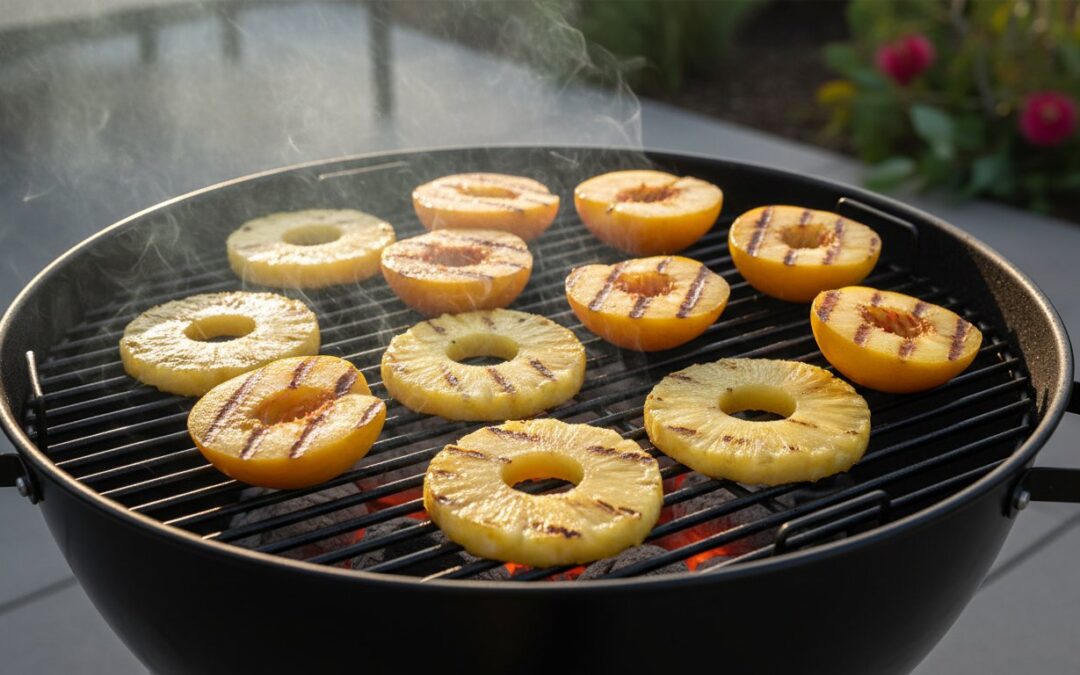
The most overlooked ingredient in a premium BBQ isn’t a cut of meat; it’s the fruit you finish with. While most people stick to steaks and snags, grilling fruit on charcoal is the ultimate way to elevate a backyard gathering from standard to world-class. You’ve likely felt the frustration of a peach sticking to the grates or a pineapple turning into a mushy mess that tastes more like a campfire than a dessert. It’s a common hurdle that stops many grillers from experimenting with sweet profiles.
We know that maintaining the balance between a fruit’s natural sugars and the intense heat of 100% natural hardwood is a craft. This guide will show you how to master that balance using expert techniques and the right fuel selection. We’ll explore why choosing a high-quality Australian hardwood lump, currently retailing between A$3.80 and A$5.50 per kilogram, makes all the difference in achieving distinct grill marks without overpowering the flavour. You’ll learn how to prevent sticking, select the best charcoal for the job, and create a unique dessert that leaves your guests impressed. Get sizzlin’ with these professional tips for the perfect smoky-sweet finish.
Key Takeaways
- Select between premium hardwood lump charcoal for high-heat searing or authentic Binchotan for a cleaner, steady burn that preserves delicate fruit notes.
- Master the two-zone grilling method to create a direct heat sear for caramelisation while using the cool zone to prevent fruit from becoming mushy.
- Ensure your grill grates are scrupulously clean before starting to avoid transferring savoury meat flavours to your sweet dessert.
- Discover which fruit categories, from stone fruits to tropicals, hold up best when grilling fruit on charcoal for consistent results.
- Enhance natural sweetness by applying the “salt and smoke” technique or using cinnamon-based rubs to trigger a more complex flavour profile.
The Science of Smoke: Why Grilling Fruit on Charcoal Beats Gas
Grilling fruit on charcoal isn’t just about heat; it’s about the chemistry of radiant energy. Unlike gas, which relies on convection, charcoal emits intense infrared heat that penetrates the fruit’s surface. This process caramelises natural sugars while infusing the flesh with wood-fired depth. You can learn more about the science of grilling to understand why a chemical-free, natural hardwood fuel is the only choice for clean, unadulterated flavour.
While meat relies on the Maillard reaction, which involves proteins, fruit is almost entirely about caramelisation. This occurs when heat reaches a point where sugar molecules break down and reform into complex, nutty compounds. Gas grills often produce too much moisture as a byproduct of combustion, which can lead to steaming. Hardwood charcoal provides a dry, intense heat that creates a crisp exterior before the inside turns to mush. Mastering the art of grilling fruit on charcoal requires this specific, dry environment.
To better understand how this looks in practice, watch this helpful video:
Caramelisation: The Secret to Intense Flavour
Heat breaks down the complex carbohydrates in fruit into simple sugars. As the water evaporates, these sugars concentrate and eventually brown. Charcoal’s dry heat is superior for creating a “crust” on juicy produce like pineapple or peaches. To get this right, you need to hit the sweet spot between 175°C and 200°C. Below this range, the fruit just warms up. Above it, the sugars burn and become acrid. Precision temperature management with a quality lump charcoal allows for that perfect golden-brown finish.
The Flavour Profile of Hardwood Smoke
Fruit is mostly water. This means it absorbs smoke much faster than a piece of steak. This makes the quality of your fuel non-negotiable. If you use cheap briquettes with chemical binders, your fruit will taste like kerosene. Premium lump charcoal produces “clean” smoke, which is essential to avoid ashy or bitter aftertastes. In Australia, we have access to some of the densest hardwoods in the world. Using local species like Gidgee or Ironbark provides a subtle, sweet smoke profile that perfectly complements the high acidity found in citrus or stone fruits. This synergy between fuel and food is why charcoal remains the king of the backyard BBQ.
Selecting Your Fuel: Lump Charcoal vs. Binchotan for Fruit
Choosing your fuel is the most overlooked step in the BBQ process. Most backyard grillers treat charcoal as a mere heat source, but when you are grilling fruit on charcoal, the fuel becomes a primary ingredient. Fruit has a high water and sugar content. This makes it incredibly sensitive to the chemical binders found in cheap supermarket briquettes. To achieve a clean, professional finish, you must use a fuel that enhances rather than masks the natural acidity of the produce.
Hardwood lump charcoal is the workhorse for dense fruits. It produces a high-intensity flame that sears surfaces quickly. This is exactly what you need for pineapple, pears, or apples. In contrast, Binchotan offers a refined experience for delicate items. While authentic Binchotan retails between A$15 and A$40 per kilogram in Australia, its performance justifies the investment for high-end desserts. It burns with zero smoke, allowing the fruit’s aroma to remain pure. If you prefer a longer burn for a large gathering, high-quality natural briquettes, which average A$1.80 per kilogram, provide consistent heat as long as they are free from accelerants.
Why Pro Pitmasters Choose Hardwood Lump
Expert grillers rely on premium hardwood lump charcoal for its rapid response time. It ignites faster than briquettes and reaches the high peak temperatures required for a 60-second sear. This speed is critical. It allows you to create a caramelised crust on a peach slice before the internal structure collapses into a mushy state. Mastering grilling fruit on charcoal requires this level of heat control. The natural hardwood vapours add a subtle earthiness that pairs perfectly with the tartness of Australian stone fruits. For those looking to upgrade their setup, you can shop our range of premium fuels to find the right match for your next cook.
Binchotan: The Secret for Delicate Produce
For the ultimate BBQ finish, Binchotan charcoal is the undisputed king. This “white charcoal” emits far-infrared heat. These rays penetrate the fruit deeply and evenly, cooking the centre without scorching the fragile outer skin. This makes it the perfect choice for “Hibachi-style” fruit skewers or berries. Because it is flameless and produces no soot, the flavour remains exceptionally clean. Understanding how these fuels interact with different textures is just as important as knowing The Best Fruits for Charcoal Grilling. Using Binchotan ensures that even the most delicate strawberry or grape retains its shape while gaining a unique wood-fired edge.

The Best Fruits for Charcoal Grilling: From Stone Fruit to Tropicals
Success when grilling fruit on charcoal depends entirely on the fruit’s density and sugar content. Unlike a ribeye or a brisket, fruit has no connective tissue to hold it together under heat. You are essentially in a race against time. You want to achieve a deep caramelisation before the cell walls collapse and the fruit turns into a puddle. Understanding how to grill fruit based on its physical structure is the difference between a gourmet dessert and a mess on your grates.
We categorise produce into three levels of “grill-ability” to ensure consistent results. Stone fruits like peaches and plums are the gold standard for BBQ desserts due to their high sugar and manageable size. Tropical fruits, including pineapple and mangoes, are the powerhouses. They possess a robust structure that withstands the intense radiant heat of hardwood lump charcoal. Finally, we have the “surprising savouries” like watermelon and avocado. These are increasingly popular in Australian backyard salads, especially as search interest for charcoal barbecue grills spiked significantly in early 2026.
Stone Fruits and Berries
Nectarines, plums, and peaches require a firm-ripe texture. If they’re too soft, they’ll stick and disintegrate. Always halve them and remove the pit before placing the cut side down on the grates. For smaller items like strawberries or grapes, don’t try to grill them individually. Use stainless steel skewers to create fruit kebabs. This prevents them from falling through the grates and makes flipping efficient. To elevate the profile, add a few apple or cherry wood chunks to your coals. The sweet, fruity smoke perfectly complements the natural tartness of a grilled plum.
The Tropical Powerhouses: Pineapple and Mango
Pineapple is arguably the most resilient fruit for the grill. Its fibrous structure handles high heat better than almost anything else. Cut your pineapple into 2cm thick slabs. This thickness allows the outside to char while the inside remains juicy. For mangoes, keep the skin on. Slice the “cheeks” off the pit and place them flesh-side down. The skin acts as a heat shield, protecting the delicate fruit while the sugars bubble. Because tropical fruits have such high sugar levels, they produce the most dramatic grill marks. This makes them the ideal choice for a high-heat sear over a fresh bed of premium lump charcoal. Get sizzlin’ with these robust options for a foolproof finish.
Mastering Heat Control: The Two-Zone Method for Delicate Fruit
Precision is the hallmark of a master griller. When grilling fruit on charcoal, you aren’t just managing fire; you’re managing sugar. The first step is non-negotiable: clean your grates thoroughly. Any leftover residue from previous cooks will transfer a savoury, ashy taste to your sweet produce. Use a heavy-duty wire brush while the coals are peaking to strip away carbon. Once clean, establish a two-zone fire. Pile your 100% natural hardwood charcoal on one side of the grill to create a high-intensity searing zone, leaving the other side empty as a safety buffer. This setup gives you total control over the cook.
Don’t oil the grates. High-sugar fruit juices combined with oil on a hot grate lead to instant flare-ups. Instead, lightly brush the fruit slices with a neutral oil or a thin layer of melted butter. Place the fruit directly over the coals for the sear. This usually takes 3 to 4 minutes. You want distinct grill marks, which indicate the sugars have reached the caramelisation point. Once the marks are set, move the fruit to the indirect zone. This allows the core to soften and the flavours to meld without burning the exterior. It’s a simple “flip and move” tactic that prevents the fruit from becoming a charred mess.
Managing Flare-ups with High-Sugar Fruit
Dripping juice is the primary cause of temperature spikes. When sugar hits hot coals, it ignites, causing flames that can ruin a delicate nectarine in seconds. Use the grill lid to manage oxygen flow; closing the vents slightly will dampen flames without extinguishing the heat. If you’re unsure of the intensity, use the “hover test.” Hold your hand 10cm above the grate. If you can only stay there for 2 seconds, it’s a “hot” zone, roughly 230°C. For softer fruits like berries or thin mango slices, a stainless steel grill basket is a smart investment to prevent loss through the grates.
The Role of Grate Temperature
A screaming hot grate is the only way to ensure non-stick results. If the metal isn’t hot enough, the fruit’s moisture will bond to the surface, causing it to tear when you attempt to flip it. Cast iron grates possess a higher thermal mass than stainless steel, meaning they hold heat longer and produce thicker, more defined grill marks on dense fruit slabs. Applying mastering the art of barbecuing principles ensures you maintain that critical heat range throughout the cook. To ensure your equipment is up to the task, buy professional BBQ accessories before your next session. Get sizzlin’ with a setup that guarantees performance.
Elevating the Flavour: Rubs, Wood Chunks, and Serving Suggestions
The final stage in mastering grilling fruit on charcoal is the strategic application of flavour enhancers. While the natural sugars provide the foundation, professional pitmasters use specific additives to create a multi-dimensional dessert. Sweet BBQ rubs are the most effective tool for this. A blend of brown sugar, cinnamon, and nutmeg doesn’t just add flavour; it creates a textured, glass-like crust on the fruit’s surface. This crust provides a necessary crunch that contrasts with the softened interior of a grilled peach or pineapple. It’s a technique that elevates the dish beyond a simple grilled snack.
Don’t ignore the “Salt and Smoke” technique. A tiny pinch of high-quality sea salt after the fruit leaves the grill makes the sweetness pop. Salt suppresses bitterness and enhances the perception of the fruit’s natural aromatics. This is a standard practice in professional kitchens that is easily replicated in an Australian backyard. When you combine this with the right serving companions, such as a dollop of mascarpone, a drizzle of aged balsamic glaze, or a scoop of vanilla bean gelato, you transform a piece of produce into a world-class dish. These pairings balance the wood-fired depth with creamy or acidic notes.
Adding Extra Smoke with Wood Chunks
The choice of firewood and smoking woods determines the final aroma of your dish. For fruit, you must stick to fruitwoods. Peach, apple, and cherry wood chunks are the gold standard. They provide a light, sweet smoke that won’t overwhelm the delicate flesh. Avoid heavy, resinous woods like Mesquite or Hickory. These can turn your dessert bitter and ashy within minutes. Timing is everything. Add your wood chunks to the coals exactly 5 minutes before the fruit hits the grates. This ensures the “dirty” initial smoke has cleared, leaving only the clean, blue vapours that enhance flavour.
Rubs and Glazes for the Perfect Finish
Glazes require extreme care. Ingredients like honey, maple syrup, or agave nectar have very low burn points. If you apply them too early, they will turn black and bitter before the fruit is cooked. Apply your liquid glazes only in the final 60 seconds of the cook while the fruit is in the indirect zone. This allows the glaze to set and thicken without burning. The “Charcoal King” tip for a superior finish is to apply a dry sweet rub at the beginning of the sear to build texture, then finish with a light liquid glaze for shine. Shop our range of premium charcoal and rubs to start your fruit grilling journey! Get sizzlin’ with a dessert that proves you’re a master of the craft.
Master the Art of the Smoky-Sweet Finish
You now have the blueprint for professional results. Grilling fruit on charcoal requires more than just high heat; it demands the right fuel and a disciplined two-zone technique. By selecting premium hardwood lump or authentic Binchotan, you ensure your fruit retains its structural integrity while gaining that essential wood-fired depth. We provide the authoritative BBQ expertise and 100% natural hardwood products needed for a clean, chemical-free finish.
Whether you choose the rapid sear of lump charcoal or the steady, infrared heat of Binchotan, the quality of your coals determines the final flavour. Don’t settle for gas-grilled substitutes that lack character. Master the balance of sweet rubs and fruitwood smoke to elevate your next backyard gathering. Get Sizzlin’ with Australia’s Best Hardwood Charcoal! and transform your produce into a world-class dessert today.
Frequently Asked Questions
Do I need to peel fruit before grilling it on charcoal?
Keep the skin on for most fruits like mangoes and peaches. The skin acts as a natural heat shield and prevents the flesh from disintegrating or sticking to the grates. For citrus, the peel is essential for structural integrity during handling. Only peel fruits with thick, inedible rinds like pineapple, though leaving the core intact during the cook provides necessary stability.
How do I stop fruit from sticking to the grill grates?
Clean your grates with a heavy-duty wire brush and ensure they reach a high temperature before you begin. Lightly oil the fruit itself with a neutral oil rather than oiling the grates to prevent unnecessary flare-ups. This creates a physical barrier that allows sugars to caramelise rather than bond to the metal. If the fruit resists when you try to flip it, leave it for another 30 seconds to release naturally.
Is lump charcoal better than briquettes for grilling fruit?
Hardwood lump charcoal is superior for quick, high-heat searing of dense produce. It reaches peak temperatures faster than briquettes, which is critical for creating distinct grill marks before the fruit’s internal structure softens. Natural briquettes are acceptable for larger batches if they are 100% chemical-free. Avoid any fuel with additives to ensure the fruit’s delicate flavour remains untainted by synthetic vapours.
Can I grill frozen fruit on a charcoal BBQ?
Avoid grilling frozen fruit because the cell walls are already compromised by ice crystals. When frozen produce hits the heat, it releases excessive moisture and collapses into a flavourless pulp. Always use fresh, firm-ripe produce to achieve the best texture when grilling fruit on charcoal. If you only have frozen items, use a cast iron pan on the grill to turn them into a smoky compote instead.
Which wood chunks pair best with grilled pineapple?
Peach and apple wood chunks are the best pairings for pineapple. These woods provide a light, sweet smoke that complements the tropical acidity without overpowering it. Avoid heavy woods like Mesquite or Hickory, which can make the fruit taste bitter. Add one or two chunks to your coals 5 minutes before cooking to ensure the smoke is clean and blue.
How long does fruit take to cook on a charcoal grill?
Most fruit takes between 3 and 8 minutes to cook when grilling fruit on charcoal. Dense slabs like pineapple require approximately 4 minutes per side for deep caramelisation. Softer stone fruits usually need only 2 to 3 minutes on the cut side. Monitor the fruit closely because high sugar levels can lead to rapid burning if the heat intensity shifts.
What happens if the fruit gets too mushy?
Mushy fruit is usually the result of using overripe produce or leaving it in the direct heat zone for too long. If this happens, don’t discard it. Chop the softened fruit and use it as a warm, smoky topping for vanilla bean gelato or mascarpone. For your next cook, select firmer fruit and move it to the indirect heat zone as soon as the grill marks appear.
Can I use a Hibachi grill for fruit skewers?
A Hibachi grill is an excellent tool for fruit skewers, especially when fueled with premium Binchotan. The proximity of the coals to the grates allows for an intense, controlled sear that is perfect for smaller items like strawberries or grapes. This setup is ideal for creating quick, high-end desserts that benefit from the steady, flameless heat of white charcoal.