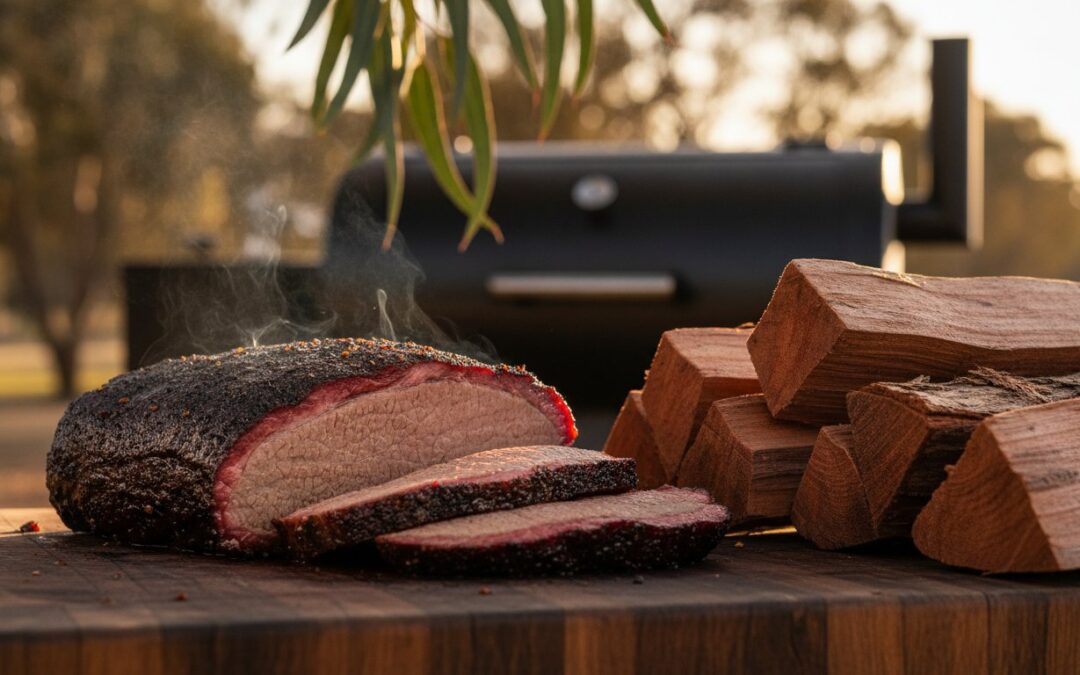
Most backyard cooks ruin their brisket before the fire even hits the grate by choosing the wrong fuel. It’s a hard truth, but the wood you burn is just as critical as the grade of beef you buy. You likely know the frustration of a 12-hour cook ending in a bitter, over-smoked mess or a pale bark that lacks character. Finding the best wood for smoking brisket is about balancing high-density hardwoods for consistent heat with aromatic varieties for that iconic mahogany finish.
With more than 50% of barbecue enthusiasts now using dedicated smokers, the demand for high-performance fuel has never been higher. We’re here to help you master the art of the long cook through pure, additive-free hardwoods. This guide explains how to select the right species for a pronounced smoke ring and a balanced, savory flavor. We’ll also solve the sourcing problem for Australian pitmasters by identifying local hardwoods that rival traditional Texas Post Oak for heat and longevity. You’ll gain the expertise needed to manage your fire with confidence and produce professional-grade results every time.
Key Takeaways
- Seasoned hardwoods with 15-20% moisture are essential to avoid bitter flavours and ensure a clean burn during long cooks.
- Choosing the best wood for smoking brisket requires balancing the neutral profile of Post Oak with the intense, savoury notes of Hickory.
- High-density Australian species like Ironbark and Red Gum provide the thermal stability and clean smoke needed for a professional smoke ring.
- Select the right wood format for your gear, using splits for maximum airflow in offsets or chunks for efficiency in drum smokers.
- Master the dual-fuel strategy by using pure hardwood lump charcoal for heat and dedicated hardwoods strictly for aromatic complexity.
Understanding the Science of Brisket Smoking Woods
Brisket isn’t like a quick-seared steak. It’s a massive, hardworking muscle with a high fat content that requires upwards of 12 hours to reach tenderness. Because of this extreme duration, the best wood for smoking brisket must be selected based on its chemical composition and thermal properties. You need a fuel that provides consistent, clean energy without depositing bitter compounds onto the meat over a half-day cook.
Moisture content is the most critical metric for any pitmaster to monitor. Seasoned wood with a moisture level between 15% and 20% is non-negotiable for high-quality results. If your wood is too green, the fire spends its energy boiling off internal water rather than creating clean heat. This results in Thick White Smoke, which is a cloud of unburnt particulates and creosote. This soot clings to the brisket fat and creates a harsh, acrid taste that no amount of sauce can fix.
Achieving Thin Blue Smoke is the ultimate goal for a clean, mahogany bark. This phenomenon occurs when the wood burns hot and efficiently, releasing microscopic flavor compounds instead of heavy soot. When you understand the process of smoking food, it’s clear that the flavor comes from the thermal degradation of lignin and cellulose. Lignin provides the vanilla and spicy aromatics we associate with traditional barbecue, while cellulose helps maintain the structural integrity of the burn for a steady temperature.
Hardwood vs Softwood: Why Purity Matters
Never use resinous softwoods like pine, fir, or cedar for smoking meat. These species contain high levels of sap and terpenes that produce toxic, foul-smelling smoke. Hardwoods are significantly denser, providing the stable, long-lasting energy required for a 12-hour brisket cook. At Charcoal Kings, we emphasize purity above all else. Our smoking woods are free from chemical treatments or additives, ensuring that only the natural, organic essence of the hardwood reaches your beef.
The Smoke Ring Myth and Reality
Many backyard cooks chase the smoke ring as a badge of honor. This pink band forms when nitrogen dioxide from the wood smoke reacts with myoglobin in the beef muscle. While the best wood for smoking brisket will often produce a deep, vibrant ring, it’s not a direct measurement of flavor quality. A smoke ring is a sign of nitric acid absorption, not necessarily better flavour. You can even force a smoke ring using curing salts, but you cannot fake the deep, savory complexity that comes from a genuine hardwood fire.
The Big Three: Classic Woods for Brisket
In the world of low and slow, three specific hardwoods define the profile of legendary beef. While regional preferences vary, most pitmasters agree that Post Oak, Hickory, and Mesquite represent the traditional foundations of the craft. Choosing the best wood for smoking brisket involves understanding how these profiles interact with fat and salt over long periods. According to 2026 industry data, smoke-forward profiles remain dominant, with Hickory and Mesquite ranking as the most popular choices for enthusiasts seeking an authentic experience.
- Post Oak: Mild, neutral, and the most forgiving for long cooks.
- Hickory: Savoury and pungent; best used for deep, traditional BBQ flavour.
- Mesquite: Intense and earthy; use sparingly or blend with milder hardwoods.
- Pecan: Sweet and subtle; the perfect bridge between fruitwoods and nut woods.
Post Oak: The Pitmasters Choice
Post Oak is the undisputed king of Central Texas barbecue. It offers a medium-smoke profile that is remarkably neutral. This neutrality is a massive advantage for beginners because it’s difficult to over-smoke the meat. It provides a clean, balanced background that allows the natural beef flavour and the pepper in your rub to take center stage. When you’re looking for quality oak splits, focus on density. High-quality oak should feel heavy for its size, indicating it has the mass required for a stable, predictable burn in an offset smoker. It’s the reliable workhorse of the brisket world.
Hickory and Mesquite: Managing Potency
Hickory is often called the “Bacon of Woods” because of its pungent, savoury aroma. It’s excellent for heavy beef cuts like brisket but requires careful management. During a 14-hour cook, using 100% Hickory can lead to an intense flavour that borders on bitter. Mesquite is even more aggressive. It’s the strongest smoking wood available and provides a distinct earthy profile. It’s notorious for producing creosote if the fire isn’t burning perfectly hot, which ruins the bark you’ve worked so hard to build.
To avoid a bitter finish, try blending Mesquite with a milder wood like Pecan. Pecan belongs to the hickory family but offers a sweeter, mellower alternative that rounds out the sharp edges of stronger woods. A common strategy is to stop adding wood splits once the brisket reaches the stall. At this point, the bark is set and the meat has absorbed sufficient smoke. You can then rely on premium Hardwood Lump Charcoal to provide the clean heat needed to finish the render without adding unnecessary smoke layers. This ensures a balanced, professional result every time.
The Australian Advantage: Best Local Woods for Brisket
Australian pitmasters don’t need to look to North America to find the best wood for smoking brisket. Our native hardwoods are among the densest in the world, offering superior burn times and clean smoke profiles that rival any international species. Sourcing traditional Texas Post Oak or Hickory in Australia often involves high costs and inconsistent supply. By utilizing local species, you ensure a sustainable source of fuel that is perfectly suited for the high fat content of a premium brisket. These woods provide the thermal stability required for long cooks without the bitter overtones associated with lesser materials.
- Ironbark: The gold standard for Australian BBQ; provides high heat and a clean, mild flavour.
- Red Gum: Bold and earthy; similar to Hickory and ideal for those who want a strong smoke presence.
- Apple and Cherry: Essential blending woods that add sweetness and help develop a deep, professional bark.
Ironbark: The King of Aussie Smoking Woods
Ironbark is the undisputed heavyweight of the local scene. It is preferred by professional pitmasters for its incredible thermal mass and consistent burn rate. When you’re mastering the art of barbecuing with charcoal, Ironbark serves as the perfect companion wood. Its flavour profile is remarkably similar to Texas Post Oak, offering a mild, savoury smoke that doesn’t overpower the meat. Because it’s so dense, it produces a very clean fire with minimal ash, making it the most reliable choice for a 12-hour brisket stall. It’s the ultimate tool for maintaining steady temperatures in large offset smokers.
Fruitwood Blends for the Perfect Bark
While hardwoods like Ironbark provide the heat, fruitwoods are the secret to aesthetic and flavour complexity. Cherry wood is a favorite among competition teams because it reacts with the meat’s surface to create a deep, dark mahogany colour. If you want that iconic “black” bark that pulls apart to reveal a bright pink smoke ring, Cherry is essential. Apple wood offers a more subtle sweetness that balances the heavy, rendered fats found in the brisket point.
Successful smoking requires a strategic ratio. We recommend a blend of 70% Ironbark for heat and 30% fruitwood for aromatic profile. This combination ensures you have the power to render the connective tissue while layering in the sophisticated notes that define top-tier barbecue. Don’t settle for a single wood type when a calculated blend can elevate your brisket from good to legendary. Our focus remains on providing pure, additive-free timber that lets these natural Australian characteristics shine.

Wood Formats: Chunks vs. Splits vs. Chips
Selecting the best wood for smoking brisket is only half the battle. You must also choose the correct format for your specific hardware. Different smokers rely on different airflow dynamics to maintain the clean, consistent heat required for a 12-hour cook. Using the wrong size wood can lead to massive temperature spikes or, worse, smouldering logs that produce bitter creosote. At Charcoal Kings, we focus on providing pure hardwood in formats that support professional-grade performance.
- Splits: Large logs typically 12 to 16 inches long. These are the mandatory choice for offset smokers that require high airflow and a dedicated wood fire.
- Chunks: Fist-sized pieces of hardwood. These are ideal for Kamados, kettle grills, and drum smokers where space is limited and charcoal provides the primary heat.
- Chips: Thin shavings of wood. Avoid these for brisket. They burn too quickly to be effective over a long cook and are generally reserved for short-duration smoking on gas grills.
The “Fist-Sized” rule is a standard for anyone using chunks. Smaller fragments burn too fast, causing rapid temperature fluctuations. Large, dense chunks provide a steady, predictable release of smoke that lasts for hours. This consistency is vital for building a deep, mahogany bark without constantly opening the lid to refuel.
When to Use Wood Chunks
Chunks are designed to work alongside a high-quality base fuel. For the best results, bury 3 to 4 large chunks directly into your charcoal at different depths. This creates a “timed release” effect where new wood ignites just as the previous piece finishes. It ensures a continuous stream of Thin Blue Smoke during the critical first half of the cook. To achieve this, you need a reliable foundation. Check out Lump Charcoal: The Pro’s Choice to understand why premium fuel is the only way to manage long-duration cooks.
Managing Splits in an Offset Smoker
Operating a large offset smoker requires active fire management. To maintain a clean fire, always pre-heat your splits by placing them on top of the firebox before adding them to the coals. This drives out any residual surface moisture and ensures the wood ignites instantly. Instant ignition prevents the thick, white smoke that ruins meat. Your goal is to maintain a temperature range of 250°F to 275°F (121°C to 135°C) using only wood splits and airflow. Avoid smouldering logs at all costs; if the wood isn’t flaming, it’s not burning clean.
Mastering these formats is the difference between a hobbyist and a pitmaster. If you’re ready to upgrade your fuel source, you can buy premium smoking woods directly from our specialist range to ensure your next brisket is world-class.
The Charcoal Kings Strategy: Fuel vs. Flavour
Professional pitmasters understand that heat and flavour are two distinct variables in a successful cook. While an offset smoker uses wood for both, most home smokers, including Kamados, bullet smokers, and drums, perform best when you separate these functions. The best wood for smoking brisket should be viewed as an aromatic additive, not your primary energy source. By using premium Hardwood Lump Charcoal as your base, you gain precise temperature control and a clean burning environment that lasts for the entire 12 to 14 hour duration.
This “Set and Forget” advantage is critical for consistent results. Relying on wood for heat in a small enclosure often leads to “Dirty Smoke” caused by poor combustion. Dirty smoke introduces a bitter, chemical aftertaste that ruins the natural profile of the beef. When you’ve selected the best wood for smoking brisket, pairing it with a clean heat source ensures those aromatics aren’t masked by chemical fumes. Our products contain no fillers and no chemicals. We provide pure Australian performance that ensures your meat tastes like beef, not additives.
Pairing Lump Charcoal with Smoking Wood
Using a neutral hardwood lump allows your chosen smoking wood to dominate the flavour profile. Many generic briquettes use clay binders or chemical accelerants that off-gas during long cooks. These binders can introduce unwanted “industrial” smells that penetrate the brisket fat and destroy the bark’s integrity. The purity of Charcoal Kings lump charcoal acts as a high-density, carbon-rich foundation that is essential for achieving competition-grade BBQ results. It provides the steady, predictable heat you need while your Ironbark or Cherry chunks do the heavy lifting for the flavour profile.
Final Checklist for Your Brisket Cook
Before you fire up the smoker, match your wood selection to your meat grade. A highly marbled Wagyu brisket can handle the aggressive, earthy profile of Red Gum or Hickory. For leaner, grass-fed cuts, stick to the mild neutrality of Post Oak or Ironbark to avoid overpowering the beef. Always perform these final steps before starting:
- Clear the Air: Clean out all old ash from previous cooks to ensure maximum oxygen flow to your new coals.
- Check Moisture: Ensure your smoking wood is properly seasoned to the 15-20% range discussed earlier.
- Stabilize: Let your charcoal reach a steady temperature before adding your wood chunks or the meat.
Once your gear is ready and your strategy is set, it’s time to fuel the fire. Browse Charcoal Kings range of premium fuels to secure the high-performance materials your craft deserves. Get the fuel right, and the flavour will follow. Happy smoking.
Master Your Next Low and Slow Burn
Achieving a professional-grade brisket requires more than just high-quality beef. It demands a disciplined approach to fire management and a deep understanding of how different hardwoods interact with fat and smoke. You’ve learned that the best wood for smoking brisket acts as a targeted flavour profile, while pure, additive-free charcoal provides the stable thermal foundation needed for a 12-hour cook. Whether you choose the traditional neutrality of Post Oak or the high-density power of Australian Ironbark, the goal remains the same: clean combustion and balanced flavour.
Don’t let inferior fuel with chemical binders ruin months of practice. Our team at Holden Hill provides the expert advice and high-performance materials you need to dominate the pit. We offer Australia-wide shipping on our entire range of smoking woods and lump charcoal, ensuring you have access to the purest fuel sources available. There are no shortcuts to a perfect bark, but the right materials make the journey predictable and rewarding.
Upgrade your next cook with Premium Hardwood Lump Charcoal and experience the difference that zero-additive purity makes to your final product. It’s time to fire up the smoker and show off that smoke ring.
Frequently Asked Questions
Do I need to soak my wood chunks before smoking brisket?
No, you should never soak your wood chunks before smoking. Soaking wood only delays the combustion process and creates steam rather than clean smoke. This lowers your firebox temperature and leads to dirty smoke that ruins the bark. Use dry, seasoned hardwood with 15% to 20% moisture to ensure an immediate, clean burn that contributes to a professional flavour profile.
How much wood should I use for a 12-hour brisket cook?
For a 12-hour cook in an offset smoker, you’ll typically burn one split every 45 to 60 minutes. In a drum or Kamado smoker, 4 to 6 fist-sized chunks buried in your lump charcoal provide plenty of aromatic smoke. You don’t need wood for the entire duration. Focus on the first 6 hours when the meat is most receptive to smoke absorption.
Can I use fruitwood like Apple or Cherry for a whole brisket?
You can use fruitwoods, but they perform best when blended with a stronger hardwood. Apple and Cherry offer a sweet, mild profile that can be lost on a heavy cut of beef if used alone. Blending 70% Ironbark with 30% Cherry is a pro strategy. This combination provides the heat needed for rendering fat while the Cherry adds a deep mahogany colour.
What is the best wood for a Texas-style brisket bark?
Post Oak is the definitive choice for a traditional Texas-style bark. It provides a medium-smoke profile that is neutral enough to let the beef and the coarse pepper rub shine. Because it burns so consistently, it helps develop that dark, rugged exterior without the risk of over-smoking. It’s widely considered the best wood for smoking brisket among Central Texas pitmasters.
Is Ironbark good for smoking beef brisket?
Ironbark is an elite choice for beef brisket and is the Australian equivalent to Texas Post Oak. It has an incredible thermal mass, which means it burns longer and hotter than most other hardwoods. The flavour is mild and savoury, making it perfect for the long, slow rendering process required for brisket. It’s a reliable, clean-burning fuel that produces world-class results.
Why does my brisket taste like lighter fluid or chemicals?
A chemical taste is usually the result of using lighter fluid or low-grade briquettes containing chemical binders. These additives off-gas during long cooks and penetrate the meat’s fat. To solve this, always use pure hardwood lump charcoal and start your fire with a chimney starter. Purity in your fuel source is the only way to ensure the natural beef flavour remains untainted.
When should I stop adding wood smoke to the brisket?
You should stop adding wood once the bark is fully set and the meat reaches the stall, typically around 160°F (71°C). At this point, the brisket has absorbed all the smoke flavour it needs. Transition to using only high-quality lump charcoal for the remainder of the cook. This prevents the meat from becoming over-smoked and bitter while allowing the connective tissues to finish rendering.
What wood gives the best smoke ring on beef?
Hickory and dense Australian hardwoods like Ironbark are known for producing the most pronounced smoke rings. This happens because these woods release higher levels of nitrogen dioxide during combustion. While a deep pink ring is visually impressive, remember it’s a chemical reaction, not a flavour indicator. Focus on maintaining Thin Blue Smoke to ensure the taste matches the appearance of your brisket.