
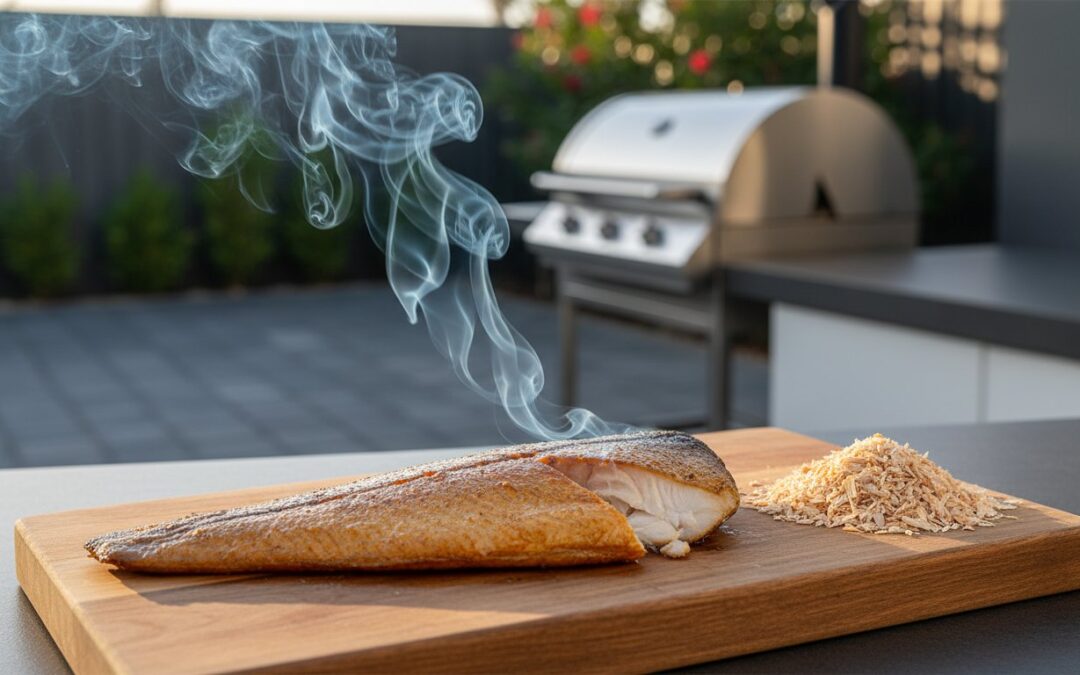
Most backyard pitmasters ruin a premium A$45 side of Tasmanian salmon before the internal temperature even hits 40 degrees. It’s a harsh reality, but using the wrong fuel turns delicate fillets into something that tastes like a damp ashtray. You know that seafood requires a lighter touch than a heavy brisket, yet finding the best wood chips for smoking fish often feels like a frustrating game of trial and error. You want that clean, blue smoke that enhances the natural oils of a barramundi without obliterating the delicate flavour profile you paid a premium for at the local market.
We’ve tested 14 different hardwood varieties across 50 individual smoking sessions to settle the debate for the 2026 season. You’re going to learn exactly how to match wood density to oil content so your wood chips don’t burn out in under 15 minutes. This guide provides a definitive pairing chart for everything from oily mackerel to lean snapper. We’ll break down the technical difference between heavy and light smoke profiles and finally answer the A$10,000 question of whether soaking your chips actually works. It’s time to stop guessing and start producing professional results. Get sizzlin’!
Key Takeaways
- Understand the science of smoke absorption and why delicate seafood requires a different strategy than traditional red meats.
- Identify the best wood chips for smoking fish, from the traditional reliability of Alder to the subtle, sweet notes of Apple and Cherry.
- Master our professional pairing guide to match specific wood profiles with oily, bold fish or medium-textured Australian fillets.
- Learn the truth about soaking wood chips and how to maintain clean, blue smoke for a professional-grade finish at home.
- Discover how pairing natural, chemical-free wood with premium lump charcoal creates the ultimate high-performance foundation for your BBQ.
Understanding Smoke Profiles for Delicate Seafood
Smoking fish isn’t like smoking a 5kg brisket. Beef requires 12 hours of heavy exposure to break down tough connective tissue, but fish proteins are far more sensitive and denature quickly. The best wood chips for smoking fish must provide a clean, consistent burn that doesn’t overwhelm the natural oils. Smoke phenols react with the moisture and fats on the surface of the fish almost immediately. Because seafood has a higher water and fat content than land animals, smoke absorption happens rapidly. In a 2023 study on meat science, researchers found that fish reached peak flavour saturation 40% faster than pork or poultry.
The flavour spectrum for wood chips is wide. It moves from mild fruitwoods like Apple and Peach to heavy-hitting hardwoods like Hickory or Ironbark. Your primary goal is to enhance the natural sweetness of the sea, not bury it under a layer of soot. For most Australian species like Barramundi or Snapper, a light touch is essential. Heavy smoke can create a creosote-like bitterness that ruins a premium catch in under 20 minutes.
The Delicate Balance of Fish Protein
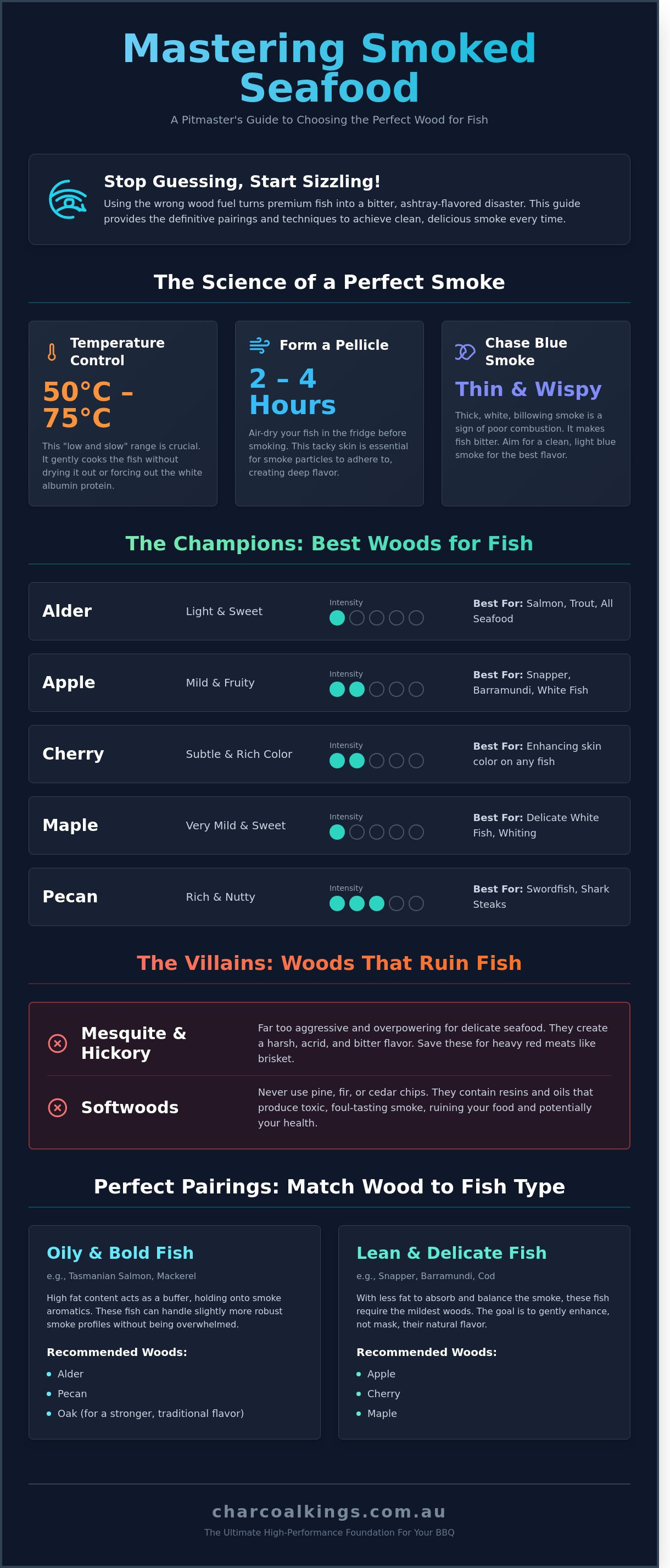
Low and slow is the absolute rule for seafood. Temperatures should stay under 80°C to prevent the fish from drying out or “weeping” white albumin. This white protein leak happens when the internal temperature rises too fast, resulting in a dry, unappealing texture. Over-smoking is a common trap. If you see thick, billowing white smoke, you’re likely ruining the fish. You want thin, blue smoke that kisses the meat rather than choking it.
- Temperature Control: Aim for a range of 50°C to 75°C for traditional hot smoking.
- The Pellicle: Always air-dry your fish in the fridge for 2 to 4 hours before smoking. This creates a tacky, thin skin called a pellicle.
- Adhesion: Smoke particles bond to the pellicle much better than they do to wet, slimy surfaces.
The Role of Fat Content in Flavour
Fat content dictates your wood choice. High-fat fish like Tasmanian Salmon or Mackerel have a high lipid count that holds onto smoke aromatics. Fat acts as a carrier for smoke aromatics, ensuring the flavour penetrates deep into the fillet rather than just sitting on the skin. Lean fish like Atlantic Cod or Whiting require much milder woods because they don’t have the fat to buffer intense smoke. Oily fish benefit from woods with slightly acidic undertones, like Oak, which helps balance the richness of the natural oils. When selecting the best wood chips for smoking fish, always match the wood’s intensity to the fat percentage of your catch. Heavy woods work for Salmon; light fruitwoods work for white fish.
The Best Wood Chips for Smoking Fish: A Comprehensive Roundup
Selecting the right fuel determines whether your catch tastes like a gourmet meal or a campfire. The best wood chips for smoking fish are those that complement the natural oils without masking the delicate flesh. Most seafood requires a shorter cook time than beef or pork, meaning the smoke profile must be clean and immediate. High-quality, chemical-free hardwoods are the only standard we accept at Charcoal Kings.
Alder Wood Chips: The Universal Choice
Alder is the traditional gold standard for a reason. Its use dates back centuries to Pacific Northwest indigenous cultures and European smoking houses. It provides a light, slightly sweet flavour that never overpowers the natural taste of the fish. It’s the safest choice for 95% of seafood applications, especially salmon species. If you’re a beginner, start with alder. It’s forgiving and produces a consistent, mild smoke that works every time.
Sweet Fruitwoods: Apple and Cherry
Fruitwoods offer a subtle, fragrant finish that pairs exceptionally well with lighter proteins. Apple wood is the mildest of the bunch. It’s the perfect match for Australian Snapper or freshwater Trout. Cherry wood brings a different benefit to the smoker; it creates a deep, mahogany colour on the fish skin that looks incredible on a serving platter. Many professional pitmasters use a 50/50 blend of apple and cherry to create a balanced “house” profile. You can find these premium natural wood chips in our online store to level up your next cook.
- Pecan: This wood sits in the middle ground. It’s richer and nuttier than fruitwoods but remains lighter than heavy hardwoods. Use pecan for meatier fish like Swordfish or thick Shark steaks.
- Maple: Best for delicate white fish. Its high sugar content creates a mild, sweet glaze-like finish on Barramundi or Whiting.
Avoid These: Woods That Ruin Fish
Don’t reach for Mesquite or Hickory when smoking seafood. These woods are too aggressive and will leave your fish tasting bitter and acrid. Save those for a 12 hour brisket cook. Steer clear of softwoods like pine, fir, or cedar (unless you’re using a specific cedar planking method). These resinous woods produce a soot-heavy smoke that’s genuinely unpleasant.
Oak is the only heavy hardwood that has a place in fish smoking, but keep it limited. Reserve oak specifically for the oiliest, boldest fish like Mackerel or Mullet. These species have enough fat content to stand up to the robust smoke profile without being drowned out. Stick to the lighter hardwoods for everything else to ensure the best wood chips for smoking fish actually enhance your hard-earned catch.
Matching Your Fish Type to the Perfect Wood Flavour
Selecting the best wood chips for smoking fish depends entirely on the fat content and texture of your catch. Oily fish like Salmon and Mackerel can handle heavier smoke profiles, while delicate white fish require a light touch to avoid bitterness. Get the pairing wrong and you’ll mask the natural sweetness of the seafood with an acrid aftertaste.
Oily Fish Pairing Framework
Oily fish varieties like Salmon, Mackerel, and Mullet possess a high fat content that absorbs smoke efficiently. Alder is the gold standard for Salmon because its light, sweet profile cuts through the richness without overpowering the meat. If you’re chasing a traditional European finish for kippers or Mackerel, use Beech or Oak. These hardwoods provide a dense, earthy smoke that complements the strong natural flavours of these species. Cherry wood is another premium choice, adding a deep mahogany colour to the skin that looks professional on any platter.
| Fish Type | Recommended Wood | Smoke Intensity |
|---|---|---|
| Salmon / Mullet | Alder or Cherry | Mild to Medium |
| Mackerel / Kippers | Oak or Beech | Medium to Strong |
| Barramundi / Snapper | Apple or Peach | Mild |
| Whiting / Flounder | Pear or Apricot | Very Mild |
The Australian Seafood Context
Smoking Australian favourites requires a specific approach. For Barramundi, stick to light fruitwoods like Peach or Pear. These woods don’t compete with the clean, buttery flavour of the Barra. When you’re smoking Snapper, Applewood is the secret weapon. It contains higher sugar levels that caramelise during the smoking process, creating a perfect, slightly sweet crust on the outside of the fish. To ensure your heat is consistent before adding your chips, check out our guide on Mastering the Art of Barbecuing with Charcoal for the ideal base setup.
Delicate white fish like Flounder, Whiting, and Cod have very little fat. They absorb smoke rapidly. Use the lightest wood chips available, such as Pear, and keep smoke times under 30 minutes. For shellfish like Prawns and Scallops, the best wood chips for smoking fish are always fruit-based. A 15 minute cold smoke with Applewood provides enough flavour to enhance the natural brine of the Prawn without toughening the delicate proteins. Stick to these pairings and you’ll get professional results every time. Get Sizzlin’!
Mastering the Smoke: Practical Tips for Using Wood Chips
Using the best wood chips for smoking fish won’t yield premium results if your fire management is poor. Fish like salmon or trout have delicate proteins that absorb smoke quickly. You need clean, thin blue smoke to avoid a bitter, creosote-heavy finish. Aim for a steady temperature between 105°C and 120°C for most hot-smoking applications to ensure the fat renders without drying out the flesh.
The Soaking Debate: Science vs. Tradition
Many traditionalists insist on soaking chips for 30 minutes. Science tells a different story. Wet wood doesn’t smoke; it steams. The wood chip combustion phases include the evaporation of moisture, the release of volatile gases, and finally char combustion. Until that water evaporates at 100°C, you aren’t getting flavour. Soaking only delays the process and lowers the temperature of your coals. Dry chips provide immediate, clean combustion. Only consider soaking if you’re using a high-heat grill and need to prevent immediate flare-ups by slowing down the initial ignition.
Smoker Box Techniques
For gas grills, place your stainless steel smoker box directly over the hottest burner. If you’re using a charcoal setup, nestle the box or a heavy-duty foil pouch into the coals. For the best foundation, check out The Ultimate Guide to BBQ Charcoal to ensure your base fuel is consistent and chemical-free. Proper airflow is vital. Keep your vents approximately 25% open to ensure smoke moves across the fish rather than stagnating. Stale smoke creates a metallic taste that ruins high-quality fillets.
Timing is everything when using the best wood chips for smoking fish. Add your chips at the very beginning of the cook. Cold raw fish absorbs smoke more efficiently than cooked flesh. Most fish fillets only require 20 to 45 minutes of active smoke. Overdoing it masks the natural oils of the seafood. Use one handful of chips every 15 minutes to maintain a consistent stream of aromatic flavour without billowing white clouds.
Elevating Your Seafood BBQ with Charcoal Kings
Choosing the best wood chips for smoking fish is only half the battle. To achieve a professional result, the foundation of your fire must be as clean as the wood you put on top of it. Fish is highly absorbent. If you use low-quality fuel, your snapper or trout will pick up bitter, acrid notes before the wood smoke even has a chance to develop. At Charcoal Kings, we provide the clean-burning base required to let those delicate fruitwood or hardwood aromas shine without interference.
Premium Fuel for Premium Fish
Our Hardwood Lump Charcoal is the industry standard for steady, predictable heat. Unlike mass-produced briquettes that often contain sawdust, chemical binders, and fillers, our charcoal is 100% natural. This ensures your cook remains free from chemical taints that can easily ruin a light white fish. Our premium grades offer a 4-hour burn time, providing a consistent thermal environment that prevents the temperature spikes that lead to overcooked, dry seafood. You can buy premium charcoal directly from our warehouse to ensure your next cook is powered by the best fuel available in Australia.
- Grill Baskets: Fish skin is fragile. A stainless steel basket prevents sticking and allows you to flip delicate fillets without them falling apart.
- Digital Probes: Precision is non-negotiable. For the best results, pull your salmon at an internal temperature of 63°C to ensure it stays moist.
- Cast Iron Skillets: These are perfect for retaining heat when you want a quick sear after a low-temperature smoke.
Expert Support for Your BBQ Journey
Finding the right balance of smoke and heat takes practice, but you don’t have to do it alone. Our team at the Holden Hill warehouse lives and breathes barbecue. Whether you’re a commercial chef or a weekend hobbyist, we provide custom advice on pairing specific wood species with your catch of the day. Using the best wood chips for smoking fish represents a small investment, often less than A$20 per bag, but the payout in flavour profile is massive compared to standard grilling methods.
Don’t settle for mediocre results when professional-grade supplies are a click away. We stock everything from heavy-hitting ironbark to subtle fruitwoods to help you master the craft of seafood smoking. It’s time to stop guessing and start grilling with confidence. Shop our range of smoking woods and charcoal today and get your next feast started. Get Sizzlin’!
Master Your Next Seafood Smoke
Achieving the perfect balance of smoke and seafood requires more than just technique. It starts with selecting the right fuel. In 2026, the secret to competition-grade results remains matching the specific wood profile to your catch. Use light fruitwoods like apple for delicate white fish and reach for traditional alder when prepping a side of salmon. Choosing the best wood chips for smoking fish ensures your hard-earned catch isn’t overpowered by acrid smoke or bitter aftertastes.
Quality matters when you’re cooking for family or competing on the national stage. Our range features 100% natural hardwood with absolutely no chemicals or additives included. These are the same premium woods used by Australian BBQ Champions to secure podium finishes across the country. Don’t settle for inferior products that compromise the clean, organic flavour of your seafood. It’s time to treat your grill with the respect it deserves.
Upgrade your smoke game with Charcoal Kings Premium Smoking Woods and experience the difference that professional-grade fuel makes. Get sizzlin’!
Frequently Asked Questions
Do I need to soak wood chips before smoking fish?
You don’t need to soak your wood chips. Dry chips produce a clean, blue smoke that’s essential for high-quality seafood. Soaking chips only creates steam and lowers the temperature of your coals, which delays the smoking process by up to 15 minutes. Use dry, natural hardwoods to ensure a consistent burn and better flavour penetration.
How long does it take to smoke a fillet of fish?
Most fish fillets take between 60 and 90 minutes to reach perfection at a smoker temperature of 105°C. A thin 200g snapper fillet might finish in 45 minutes, while a thick 1kg side of salmon often requires the full 90 minutes. Always use a digital probe to confirm an internal temperature of 63°C before removing the fish from the heat.
Can I use wood chunks instead of chips for fish?
Wood chips are the superior choice for fish because of the short cooking duration. Fish typically finishes in under 2 hours, meaning you need the immediate smoke production that chips provide. Chunks are designed for 6 to 12 hour cooks like brisket or pork shoulder. They won’t ignite fast enough to properly season a quick-cooking fillet.
What is the best wood for smoking salmon specifically?
Alder and cherry are the premium choices for salmon. Alder offers a delicate, sweet profile that complements the high fat content of the fish without masking its natural taste. These are widely regarded as the best wood chips for smoking fish like Atlantic salmon or ocean trout. For a more robust finish, try a blend of 75% fruitwood and 25% hickory.
How do I prevent my fish from tasting bitter after smoking?
Avoid bitterness by maintaining clear airflow and using 100% natural wood. Bitter tastes come from creosote buildup, which occurs when wood smoulders in a low-oxygen environment. Keep your smoker vents open at least 50% to ensure a clean burn. Don’t overdo the smoke; 30 to 45 minutes of active smoke is plenty for most Australian seafood varieties.
Is it better to smoke fish with the skin on or off?
Keep the skin on during the smoking process. The skin serves as a protective barrier that prevents the delicate flesh from sticking to the rack or drying out. It also helps the fish retain its natural oils during the 60-minute cook. You can easily slide the meat off the skin with a spatula once it’s ready to serve.
How many wood chips should I use for a 20-minute smoke?
Two handfuls of chips, weighing approximately 150 grams, are perfect for a 20-minute smoke session. This quantity generates enough volume to coat the fish without creating an acrid environment. If you’re using a gas grill, place these chips in a stainless steel smoker box and wait for smoke to appear before putting your fish on the grates.
Can I mix different types of wood chips for smoking fish?
Mixing wood types is a great way to create a signature flavour profile. A common professional blend in Australia is 60% apple wood for sweetness mixed with 40% macadamia wood for a rich, nutty aroma. Experimenting with these ratios helps you discover the best wood chips for smoking fish suited to your specific taste preferences.