
Throwing away your brisket trimmings is like tossing cash directly into the fire. With the global beef tallow market reaching $3.82 billion in 2025, professional pitmasters recognize the value in this liquid gold while many hobbyists simply discard it. You’ve likely felt the sting of wasting expensive Wagyu trimmings or serving a dry brisket that lacked moisture. Finding creative uses for smoked beef tallow is the best way to stop the waste and start using every bit of that premium natural fat. It’s a simple shift that separates the amateurs from the masters.
You’ll learn how to transform simple beef fat into a versatile culinary powerhouse with these specific smoking and cooking hacks. We promise to help you reduce kitchen waste and find unique ways to impress your guests at your next cookout. This guide provides a preview of 15 distinct methods to elevate your BBQ quality using traditional, chemical-free techniques. Get sizzlin’ with these expert-level tips and turn your leftover fat into your most valuable ingredient.
Key Takeaways
- Understand the science of how rendered beef fat captures and carries hardwood smoke phenols to enhance every bite of your BBQ.
- Explore several creative uses for smoked beef tallow to improve moisture, including the professional “confit” wrap technique for brisket.
- Discover how to use smoked tallow in your home kitchen for superior frying and as a natural shortening for savory biscuits.
- Learn how to repurpose leftover trimmings for rugged tasks like conditioning leather aprons or making wood-fired scented candles.
- Master the professional “low and slow” rendering process at 100°C to create high-quality, chemical-free liquid gold at home.
What is Smoked Beef Tallow and Why is it BBQ Liquid Gold?
Smoked beef tallow is the secret weapon of the modern pitmaster. It is rendered beef fat that has been infused with hardwood smoke during the melting process. To understand What is Smoked Beef Tallow, you have to look at its molecular makeup. Fat acts as a high-efficiency carrier for smoke phenols. These are the flavor compounds released when wood burns. While standard tallow is a staple in many kitchens, finding creative uses for smoked beef tallow adds a depth of flavor that regular oils cannot match. This ingredient has fueled the “Texas Style” BBQ trend. In professional circuits, pitmasters use it to ensure every bite of meat carries that signature wood-fired profile, even if the meat itself was wrapped early in the cook.
To better understand this concept and see how this fat performs in a real-world test, watch this helpful video:
The Difference Between Rendering and Smoking Fat
Rendering is a purification process. It involves melting raw beef fat trimmings to separate the liquid oil from the solids. Regular rendering results in a neutral, creamy white fat. Smoking fat during this process adds a layer of wood-fired complexity that changes the game. You’re essentially creating a concentrated essence of BBQ. For a clean, professional profile, you must use high-quality charcoal as your heat source. Poor fuel choices introduce bitter soot or chemical off-flavors that ruin the delicate flavor of the tallow. A steady, natural burn ensures the smoke molecules bind to the fat without becoming acrid.
Why Pitmasters Call it Liquid Gold
This substance earns its “liquid gold” nickname by providing a massive umami boost to lean cuts of meat. Beef tallow has a high smoke point of approximately 200°C. This makes it incredibly versatile for high-heat searing or long, slow smoking sessions. It won’t break down or go rancid under the intense heat of a professional smoker. Beyond the grill, there are many creative uses for smoked beef tallow that range from frying to baking. It adds a richness that butter or vegetable oils simply lack. Tallow is the ultimate sustainable byproduct of a nose-to-tail BBQ philosophy. Using it shows a commitment to quality and efficiency in the kitchen. Get sizzlin’ and stop throwing your trimmings in the bin.
Elevating the Pit: Creative Uses for Smoked Tallow in BBQ
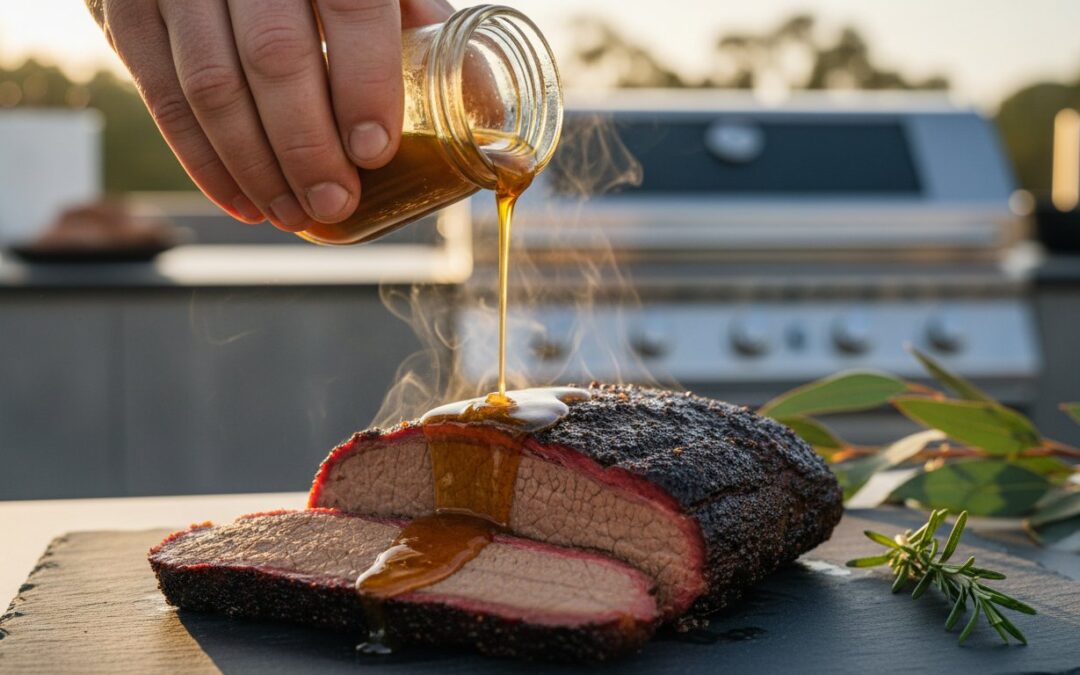
Professional pitmasters don’t just cook meat; they manage moisture and flavor at a molecular level. One of the most effective creative uses for smoked beef tallow is using it to ‘confit’ your brisket during the wrap stage. This involves submerging the meat’s surface in rendered fat, which prevents moisture from escaping and softens the bark. You can also inject warm tallow into leaner cuts like chuck roast or turkey breast. Since lean cuts lack intramuscular fat, an injection of liquid gold provides the richness they naturally miss. Another pro tip involves using tallow as a binder. Instead of mustard or oil, apply a thin coat of smoked tallow. It creates a tacky surface that helps your rubs adhere better while adding a layer of beefy flavor before the first spark hits your premium fuel.
The Ultimate Brisket Wrap Technique
The goal of the wrap is to push through the stall while preserving the bark. Follow these three steps for a professional result:
- Step 1: Lay out high-quality butcher paper and apply a generous, thin layer of warm, liquid smoked tallow across the center.
- Step 2: Place your brisket on the paper and pour an additional 100ml to 150ml of tallow directly over the flat. This is the leanest part of the meat and needs the most help.
- Step 3: Wrap the paper tightly to create a humid, fatty micro-environment.
This technique mimics the moisture retention seen in professional smokers. It’s essential when barbecuing with charcoal at home. It ensures the meat stays succulent throughout the final hours of the cook.
Basting and Finishing Steaks
Forget butter basting. Use smoked tallow for a higher-heat sear. Butter burns at 150°C, but tallow remains stable up to 200°C. This allows you to achieve a crusty, Maillard-reaction sear on a cast iron skillet over a charcoal grill without the fat breaking down or turning bitter. Finishing a steak with “beef on beef” fat amplifies the natural profiles of the meat. After the sear, try the ‘Tallow Rest’. Place your cooked steaks in a tray with a shallow pool of warm smoked fat for 10 minutes. This process allows the fibers to relax while soaking up extra flavor. Research into culinary and skincare uses for beef tallow highlights its stability and nutrient density, making it a superior choice for high-performance cooking. These creative uses for smoked beef tallow will separate your backyard BBQ from the rest of the neighborhood.

Beyond the Pit: Creative Culinary Uses in the Home Kitchen
Your journey with liquid gold doesn’t end at the smoker door. Bringing this ingredient into your home kitchen unlocks a new level of flavor for everyday meals. One of the most effective creative uses for smoked beef tallow is as a high-performance frying medium. Unlike vegetable oils that can turn rancid or lose stability, tallow remains solid at room temperature and handles heat with ease. You can use it to sauté hardy greens like kale or spinach. This adds a deep, meaty essence and a hint of wood smoke without needing to fry up a batch of bacon first. It’s a cleaner, more direct way to infuse flavor into side dishes while maintaining a chemical-free kitchen.
For those looking to impress at the home bar, try tallow-washing your bourbon. Melt 60ml of smoked tallow and combine it with a 750ml bottle of bourbon in a glass jar. Let it sit for 24 hours at room temperature, then place it in the freezer. The fat solidifies at the top, allowing you to strain it out while leaving behind a velvety mouthfeel and a distinct BBQ aroma. It’s a bold move for a signature Old Fashioned that pairs perfectly with a smoked rib dinner. Get sizzlin’ with your mixology and give your guests something they’ve never tasted before.
The Secret to Ultimate Roast Potatoes
Traditional oil can’t compete with the crunch of animal fat. To get the best results, parboil your peeled potatoes in salted water for 8 minutes until the edges are soft. Drain them and shake the pot vigorously to rough up the surface. This creates a starchy mash on the exterior that will eventually become the crust. Heat a tray of smoked tallow in a 220°C oven until it’s shimmering. Carefully add the potatoes and roast for 45 minutes, turning once. The smoked tallow creates a thicker, crunchier crust than any seed oil. Finish with a generous pinch of Murray River Pink Salt for a clean, mineral hit that cuts through the richness.
Savory Baking and Pastries
Swap out half of your butter for chilled smoked tallow when making savory pie crusts. This is an essential technique for traditional Australian meat pies or hearty pot pie lids. The smoke flavor permeates the pastry, providing a sensory bridge to the filling inside. For the flakiest results, keep your tallow in the fridge until the moment you’re ready to cut it into the flour. It has a higher melting point than butter, which helps maintain those distinct layers during the initial minutes of baking. These creative uses for smoked beef tallow ensure that nothing from your trimmings goes to waste while elevating your indoor cooking to professional standards.
The Rugged Edge: Unexpected Non-Culinary Uses for Tallow
Tallow isn’t just for the plate. It’s a versatile tool for the workshop and the pit area. These creative uses for smoked beef tallow extend to gear maintenance and survival situations. Because it’s a natural, chemical-free byproduct, it fits the lifestyle of anyone who values performance and authenticity over synthetic alternatives. Using every part of the animal is a tradition that goes back centuries, and modern pitmasters are rediscovering these rugged applications to reduce waste and maintain their equipment.
One of the most practical uses is as a natural, food-safe rust inhibitor for cast iron. Cast iron is a staple of the BBQ world, but it’s prone to oxidation if left unprotected. Unlike seed oils that can become sticky or gummy over time, tallow provides a hard, durable finish when seasoned correctly. Wipe a thin layer over your griddles or skillets after cleaning. This creates a barrier against moisture that won’t introduce off-flavors to your next cook. It’s a straightforward way to keep your gear in top condition using the same fat you used to cook the meal.
Tallow also serves as an exceptional emergency fuel. It has a high energy density of approximately 37 megajoules per kilogram. You can create highly effective fire starters by soaking cotton balls in melted tallow. These starters burn for several minutes, even in damp conditions, providing a steady flame to ignite your premium hardwood charcoal without the need for chemical lighters. It’s a reliable, no-nonsense solution for your next camping trip or backyard session. Get sizzlin’ faster by keeping a jar of these in your BBQ kit.
Leather and Gear Maintenance
Tallow was the primary leather conditioner for 18th-century mariners and woodsmen because of its superior waterproofing abilities. It penetrates deep into the leather fibers to keep them supple and prevent cracking under the heat of the pit. To apply, take a pea-sized amount of pure tallow and rub it into your leather BBQ apron or work boots using a clean cloth. Use circular motions until the fat is absorbed. You must use pure, rendered tallow for this. Unrefined fat contains proteins that will eventually rot and create foul odors, while pure tallow remains stable and odorless.
Smoked Tallow Candles
Beef fat is a clean-burning alternative to petroleum-based paraffin wax. Creating “Pitmaster Candles” from your smoked tallow adds a rugged, wood-fired atmosphere to your outdoor space. You can enhance the aroma by stirring in crushed black pepper or dried rosemary while the tallow is in its liquid state. Use a thick cotton wick and a sturdy glass jar or metal tin. Ensure the wick is centered to prevent uneven burning. These candles burn steady and slow, offering a signature scent that celebrates the craft of BBQ long after the fire in the smoker has gone out.
How to Render Smoked Tallow Using Premium Fuel
The quality of your finished product depends entirely on the quality of your raw materials. To maximize the creative uses for smoked beef tallow, start by sourcing high-quality trimmings. Wagyu or grass-fed brisket trimmings provide the best fat profile and the most consistent results. Avoid using fat from cheaper, grain-fed sources that can have a waxy texture or less desirable fatty acid profile. Once you have your trimmings, cut them into small cubes or run them through a meat grinder. This increases the surface area and ensures an even render without burning the exterior before the interior melts.
Mastering the “Low and Slow” method is non-negotiable for a clean result. Maintain your smoker at a steady 100°C for 4 to 6 hours. This temperature is high enough to melt the fat but low enough to prevent it from scorching or turning a dark, bitter brown. During this time, the fat absorbs smoke molecules from your chosen hardwood. Once the fat has completely liquefied and the solid bits (cracklings) are golden brown, it’s time to filter. Pour the liquid through a fine-mesh strainer lined with three layers of cheesecloth. This removes all impurities, resulting in a clear, golden liquid that stays stable during storage and looks professional on the shelf.
Selecting the Right Fuel for the Render
Your heat source determines the purity of the flavor. For the most neutral and consistent heat, binchotan charcoal is the professional choice. It burns exceptionally clean and steady, allowing your smoking woods to do the heavy lifting without interference from chemical binders or soot. When pairing woods, consider your end goal. Cherry wood provides a subtle sweetness and a deep red hue to the fat. Hickory offers a punchy, traditional BBQ profile that works well for savory baking and frying. Avoid “dirty smoke” at all costs. If your smoker is producing thick, white, or gray smoke, it will leave an acrid, bitter taste on the fat that ruins its culinary potential.
Storage and Longevity
Storage choice impacts how long your liquid gold remains usable. Always choose glass jars over plastic containers. Plastic can leach chemicals into the warm fat and is harder to sanitize properly. Glass also provides a better oxygen barrier, which prevents the fat from going rancid. At room temperature, pure rendered tallow stays fresh for about 12 months. In the fridge, it lasts for 2 years, and it can stay in the freezer indefinitely. Moisture is the enemy of tallow. Ensure your jars are bone-dry before filling them to prevent bacterial growth. If you see signs of spoilage, such as a sour smell or visible mold growth, discard the entire batch immediately. Proper rendering and storage ensure you always have this premium ingredient ready for any of the creative uses for smoked beef tallow discussed in this guide. Get sizzlin’ and start rendering your own today.
Master the Craft of Liquid Gold
Transforming your brisket trimmings into smoked tallow is a high-performance move for any serious pitmaster. You now have the knowledge to use this fat for everything from competition-grade brisket wraps to conditioning your rugged leather gear. These creative uses for smoked beef tallow prove that nothing in your kitchen should go to waste. By maintaining a steady 100°C render for 4 to 6 hours, you ensure a clear, shelf-stable product that outperforms any store-bought oil. Success depends on using a clean, reliable heat source that won’t introduce bitter chemicals into your fat during the long rendering process.
Ready to start your own rendering session? Fuel your next render with Charcoal Kings’ Premium Hardwood Lump. Our 100% natural hardwood is trusted by Australian pitmasters because it offers the longer burn times needed for a perfect, slow rendering process. It’s the most straightforward way to ensure your liquid gold remains pure and flavorful. Don’t let those expensive trimmings end up in the bin. Grab your gear, fire up the smoker, and get sizzlin’!
Frequently Asked Questions
How long does smoked beef tallow last in the fridge?
Smoked beef tallow lasts up to 2 years in the fridge when stored in an airtight glass jar. At room temperature, it remains stable for approximately 12 months. To reach these dates, you must filter the fat until it contains no more than 0.15 percent insoluble impurities, following the 2005 FDA standard. Always use a clean spoon to prevent moisture or bacteria from entering the jar during use.
Can you use smoked tallow for deep frying?
You can absolutely use smoked tallow for deep frying because of its high smoke point of 200°C. It is much more stable than most seed oils which break down and oxidize at high temperatures. One of the best creative uses for smoked beef tallow is frying chips or chicken to add a subtle wood-fired essence. The fat remains solid at room temperature, making it easy to store.
What is the best wood to use when smoking beef tallow?
Cherry and Hickory are the best choices for a balanced flavor profile. Cherry wood adds a mild sweetness and a deep red color to the rendered fat. Hickory provides a stronger, traditional BBQ punch that pairs well with savory dishes. Avoid using Mesquite for long renders. Its heavy smoke can become acrid and bitter when concentrated in the fat over a 6 hour period.
Is smoked beef tallow healthier than seed oils?
Beef tallow is a healthier alternative to processed seed oils because it is a natural, stable fat. It doesn’t contain the high levels of polyunsaturated fats found in oils like canola or soybean, which can become toxic when heated. Tallow is nutrient-dense and fits well into ketogenic or high-fat diets. It provides a chemical-free cooking medium that humans have used for centuries to maintain health.
Can I make tallow from any cut of beef fat?
You can make tallow from any beef fat, but hard trimmings from the brisket or kidney produce the highest quality. Kidney fat, known as suet, renders into a very hard tallow that is perfect for baking. Brisket trimmings are the gold standard for BBQ applications. Avoid using soft, oily fat from the legs. These have a lower melting point and don’t provide the same structural stability.
Why did my smoked tallow turn out gritty?
Gritty tallow is usually the result of poor filtration or rendering at too high a temperature. If you don’t use a fine-mesh strainer or triple-layered cheesecloth, small bits of protein called cracklings remain in the liquid. These solids eventually sink to the bottom and create a grainy texture. Always filter your tallow twice while it is still in a liquid state to ensure a smooth finish.
Can I use tallow to season my offset smoker?
Tallow is an excellent choice for seasoning your offset smoker or cast iron grates. It acts as a natural rust inhibitor and creates a durable, non-stick surface when heated. Apply a thin, even coat to the interior of your smoker while it is warm. This prevents oxidation and helps maintain the integrity of the steel. It is a food-safe alternative to synthetic sprays or products.
How do I get the smoke flavor out of tallow if it’s too strong?
You cannot remove smoke flavor once it has bonded with the fat molecules, but you can dilute it. Mix your over-smoked tallow with an equal part of unsmoked, neutral tallow to bring the flavor back into balance. To avoid this in the future, ensure you are using a clean-burning fuel like Binchotan charcoal. This provides steady heat without the heavy soot that causes overpowering or bitter flavors.