
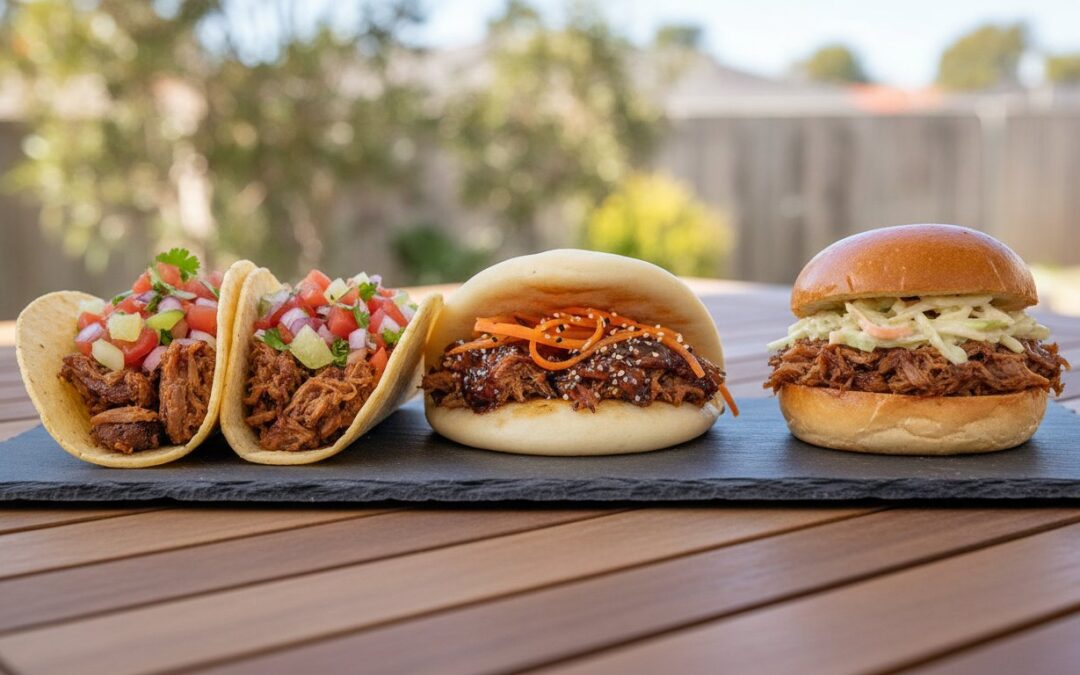
Meat accounts for an estimated 21% of all food waste at the consumer level, according to the Ballard Brief. That is a significant loss of both money and craftsmanship. You spent hours tending the pit and burning premium Hardwood Lump Charcoal to achieve the perfect bark. It is frustrating when the next day’s meal turns into a dry, stringy disappointment that lacks the original punch. Knowing what to do with leftover pulled pork is the difference between a wasted effort and a second-day masterpiece.
We agree that meal fatigue is real, but your surplus smoked pork is a high-value ingredient for global cuisines. This guide provides the technical precision needed to transform your leftovers into gourmet meals while maintaining that authentic charcoal-fired flavor. We will show you how to keep the meat moist and preserve the smoky profile you worked so hard to achieve. You will learn the exact temperature metrics for safety, moisture-retention secrets, and diverse recipe inspirations that go far beyond the standard sandwich.
Key Takeaways
- Master temperature control and moisture retention techniques to prevent dry, stringy meat during the reheating process.
- Discover exactly what to do with leftover pulled pork by integrating it into international cuisines that benefit from a deep, smoky profile.
- Balance heavy smoke with fresh, acidic ingredients like pickles and slaw to create vibrant, second-day meals for the whole family.
- Repurpose smoked pork as a superior bacon substitute and utilize rendered fats to elevate traditional breakfast staples.
- Learn how utilizing pure fuel like Hardwood Lump Charcoal prevents chemical off-flavours from developing during storage.
The Pitmaster’s Secret: Proper Storage and Reheating
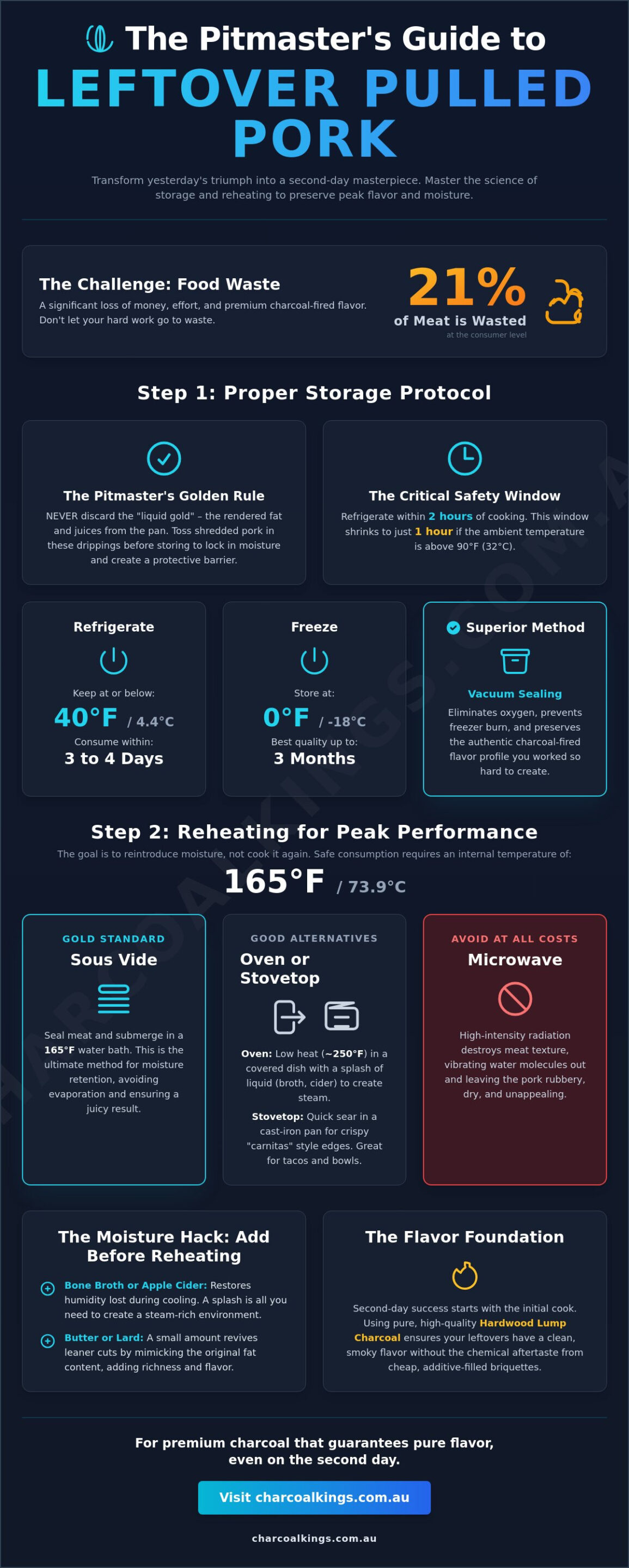
Preservation starts immediately after the cook. To understand what to do with leftover pulled pork, you must first understand how to protect its cellular structure. Moisture loss occurs when muscle fibers tighten during cooling and reheating, squeezing out the juices that make smoked meat tender. Professional pitmasters never discard the “liquid gold” found in the bottom of the roasting pan. This rendered fat and collagen-rich juice is essential for reintroducing humidity during the second act. If you have already shredded the meat, toss it in these drippings before storage to create a protective barrier against oxidation.
Proper storage is a non-negotiable safety standard. According to the USDA, cooked pork must reach an internal temperature of 165°F (73.9°C) during reheating to be safe for consumption. Speed is critical. You must refrigerate leftovers at or below 40°F (4.4°C) within two hours of cooking. If the ambient temperature exceeds 90°F, that safety window shrinks to just one hour. For the best quality, consume refrigerated portions within 3 to 4 days or freeze them at 0°F for up to 3 months. Vacuum sealing is the superior choice over standard airtight containers because it eliminates oxygen, preventing the freezer burn that ruins the history of pulled pork flavor profiles you worked so hard to create.
To better understand how to repurpose your BBQ, watch this helpful video regarding what to do with leftover pulled pork:
How to Reheat Pulled Pork Without Drying It Out
The sous vide method is the gold standard for moisture retention. By sealing the meat and submerging it in a 165°F water bath, you avoid the high-heat evaporation that causes a stringy texture. If you use an oven, keep the temperature low, around 250°F. Place the pork in a covered dish with a splash of apple juice or cider vinegar to create a steam-rich environment. For those seeking texture, a quick stovetop sear in a cast-iron pan creates crispy “carnitas” style edges. This is ideal for tacos or grain bowls where a bit of crunch complements the soft interior.
The Moisture Hack: What to Add Before Reheating
- Beef bone broth or apple cider: Use these to restore the humidity lost during the cooling process.
- Butter or lard: A small amount can revive lean shoulder cuts by mimicking the original fat content.
- Avoid the microwave: High-intensity radiation vibrates water molecules so violently that it destroys the meat’s texture, leaving it rubbery and unappealing.
Success depends on the fuel used during the initial smoke. Using high-quality Hardwood Lump Charcoal ensures your leftovers don’t carry the chemical aftertaste often found with cheap, additive-filled briquettes. Pure fuel leads to pure flavor, even on the second day.
Classic BBQ Reimagined: Beyond the Standard Sandwich
While a sandwich is the default choice for leftovers, it quickly leads to meal fatigue. When you are deciding what to do with leftover pulled pork, think of the meat as a versatile, high-protein asset for high-volume family meals. Professional pitmasters prioritize the balance of heavy, wood-fired smoke with fresh, acidic components. Adding pickles, raw onions, or citrus-based slaws cuts through the rendered fat and refreshes the palate. Texture is the other pillar of success. Shredded pork is naturally soft; pairing it with a crunchy element like toasted chips or crispy potato skins restores the sensory variety lost during storage.
Before you begin your second-day preparation, ensure your meat has been handled according to USDA guidelines for storing pork. Maintaining safety standards is the only way to guarantee a high-quality result. Once safety is confirmed, you can focus on transforming those chilled portions into a crowd-pleasing centerpiece.
The Ultimate Loaded Pulled Pork Nachos
Avoid the common mistake of the “pile-and-pour” method. To prevent soggy chips under heavy meat, use a deliberate layering strategy. Place a base of sturdy corn chips, add a layer of cheese, then the pork. Repeat this process. This creates a structural barrier that keeps the chips crisp. Monterey Jack provides superior meltability, while sharp Cheddar adds the necessary bite to stand up to the smoke. Top the finished tray with fresh jalapeños, pickled red onions, and a lime-heavy crema to brighten the flavor profile.
Smoked Pork Tacos and Enchiladas
Give your leftovers a Mexican-style finish by pan-frying the shredded meat in a cast-iron skillet until the edges become dark and crispy. This mimics the texture of traditional Carnitas. Corn tortillas are the preferred choice for this application. They handle the moisture and weight of the pork better than flour alternatives. A sharp salsa verde made with tomatillos provides the perfect acidic counterpoint to the rich, fatty meat. Using small scraps of bark is an excellent strategy for what to do with leftover pulled pork when you don’t have enough for a full main course.
Pulled Pork Loaded Baked Potatoes (Spuds)
This is the most efficient way to use every gram of your surplus. Prepare the potatoes on your grill using high-quality Charcoal Briquettes for a consistent, high-heat finish that ensures a crispy, salted skin. Aim for a 2:1 ratio of potato to filling. Stuff the spud with a generous portion of pork, cool sour cream, and fresh chives. It is a complete, high-protein meal that feels like a deliberate feast rather than a compromise. The heat from the potato naturally warms the pork, preserving its tender texture without the need for aggressive reheating.
Global Fusion: Using Smoked Pork in International Cuisines
Pork shoulder is a high-value protein that serves as a superior canvas for global flavor profiles. Its neutral profile absorbs bold international spices while the existing smoke adds a layer of depth that standard boiled or pan-fried pork cannot achieve. When you’re considering what to do with leftover pulled pork, look beyond the American South. The “pre-cooked” nature of these leftovers reduces complex international recipes to simple, 10-minute dinners. You get an instant flavor upgrade because the smoke is already deep within the muscle fibers, having been forged over hours of burning pure Hardwood Lump Charcoal.
Combining wood smoke with ingredients like soy, ginger, and miso creates an “Umami Bomb.” If you used a fruitwood like cherry or apple during the initial cook, those sweet notes pair exceptionally well with the saltiness of Asian fermented sauces. While many start with a classic pulled pork recipe, the real mastery lies in how you utilize that smoke in the second act. The goal is to let the international spices lead while the charcoal-fired essence provides the foundation.
Asian-Inspired Pork Bowls and Noodles
A Pulled Pork Banh Mi is a standout choice for an efficient lunch. Use Australian crusty rolls, spread a thin layer of pâté, and pile on the smoked pork. Add pickled carrots, cucumber, and fresh coriander to cut through the rich fat. For a quick Smoked Pork Ramen, drop your shredded leftovers into a simple dashi or tonkotsu broth. The smoke leaches into the liquid, mimicking the profile of a long-simmered bone broth in minutes. Stir-fried noodles with ginger and dark soy sauce also benefit from the pre-rendered fat in the pork scraps, ensuring the dish remains moist and savory.
Italian Twists: Pork Ragu and Pizza
Italian cuisine offers unexpected success for what to do with leftover pulled pork. Simmering shredded meat in a rich tomato base for 15 minutes creates a Quick Smoked Ragu. The acidity of the tomatoes softens the pork fibers while the smoke infuses the entire sauce. For the Pitmaster Pizza, use a thin crust with red onion, mozzarella, and a light drizzle of BBQ sauce. Achieving the correct cook pizza oven temperature is vital; high heat quickly crisps the dough while revitalizing the existing bark on the pork without drying out the interior meat.
The Pitmaster’s Breakfast: Starting the Day with Smoke
The pitmaster’s labor yields rewards long after the initial feast. When you are deciding what to do with leftover pulled pork, breakfast provides the most logical and high-energy solution. Smoked pork shoulder is the ultimate bacon substitute. It delivers the same salty, smoky punch but with a far more substantial texture and a complex flavor profile developed over hours on the pit. Adopting a “no-waste” philosophy means saving the smallest, charred bark bits. These concentrated pockets of rub and smoke are flavor bombs that transform a standard morning meal into a professional-grade breakfast.
Utilize the rendered fat from the pork to fry your secondary ingredients. This fat contains the essence of the wood smoke and spice rub. It is a superior cooking medium for eggs and hash browns compared to neutral vegetable oils or butter. For those planning a long day of outdoor work or a heavy session on the tools, this high-protein, high-calorie start is essential fuel. You have already done the hard work of smoking the meat; now you are simply reaping the dividends. This approach ensures nothing from your initial investment in quality fuel and time is wasted.
The Pulled Pork Breakfast Hash
A cast-iron skillet is the required tool for this dish. Its ability to maintain even heat distribution ensures your potatoes achieve a uniform crunch. Combine diced potatoes, peppers, and onions in the rendered pork fat before adding the shredded meat. The goal is to crisp the edges of the pork until they resemble carnitas. Top the mixture with a runny poached or fried egg. The yolk acts as a rich, natural sauce that binds the smoke of the meat with the earthiness of the potatoes. It is a rugged, straightforward meal that respects the integrity of the original smoke.
Pulled Pork Jaffles and Toasted Sandwiches
The jaffle is a staple of Australian outdoor culture. It is the most efficient way to seal moisture inside a portable meal. Layer your leftover pork with a sharp cheese between two slices of thick, buttered bread. Add a dash of spicy rub or a streak of vinegar-based sauce before pressing the sandwich. The high pressure of the jaffle maker caramelizes the bread while steaming the pork interior, ensuring it doesn’t dry out. This is the ultimate solution for a Monday morning or a recovery meal after a long weekend. To ensure your next cook-up is just as successful, stock up on professional-grade BBQ Accessories and Rubs to keep your flavor profiles consistent.
Efficiency in the kitchen starts with the quality of your ingredients. By repurposing your smoked pork into these breakfast staples, you maintain the authentic charcoal-fired profile while creating diverse meals for the whole family. It is about maximizing performance and quality at every step of the process. Don’t settle for a boring breakfast when you have world-class smoked meat sitting in the fridge. Use it with intent and start your day with the power of smoke.
Maximising Flavour: How Your Charcoal Choice Impacts Leftovers
The success of your second-day meal is determined by the fuel used on day one. Cheap, chemical-laden briquettes often contain fillers and petroleum-based starters that leave a subtle metallic residue on the meat. While heavy sauces might mask this during the initial feast, these “off-flavours” intensify during cold storage. When you are deciding what to do with leftover pulled pork, you don’t want a chemical aftertaste ruining your ragu or breakfast hash. Using Hardwood Lump Charcoal ensures a clean, organic burn that preserves the integrity of the pork’s natural fats. Pure fuel is a direct investment in the quality of every meal that follows the initial cook.
Authentic wood smoke provides a permanent flavor profile that survives the reheating process. Unlike liquid smoke additives that sit on the surface and taste artificial when warmed, real smoke particles bond deeply with the muscle fibers. This lasting power is vital for maintaining that pit-fresh essence in leftovers. High-quality charcoal provides the stable, clean heat necessary to render collagen properly. This ensures the meat remains tender and gelatinous rather than turning into a dry, flavorless mass after a night in the fridge.
Pairing Smoking Woods for Versatile Leftovers
- Fruitwoods (Apple/Cherry): These provide a mild, sweet profile. They are the best choice for leftovers destined for sweet glazes or Asian-inspired dishes like Banh Mi.
- Strong Woods (Hickory/Mesquite): These offer a robust, traditional BBQ punch. They are ideal for bold leftovers like smoky chili, tacos, or loaded potatoes.
- The Pink Ring: Using cherrywood wood creates a versatile, deep pink smoke ring that maintains its visual appeal and sweet aroma even after reheating.
The Charcoal Kings Advantage
Precision in the pit leads to excellence on the plate. Using high-carbon fuel results in a cleaner and more stable smoke profile that won’t turn bitter during storage. When it is time for that final sear to create crispy edges for your tacos, binchotan charcoal provides the intense, steady heat required for a professional finish. It allows you to revitalize the bark without overcooking the center of the meat. This level of control is essential for anyone serious about what to do with leftover pulled pork.
Don’t compromise your hard work with inferior fuel. Upgrade your next cook with premium Australian fuel to ensure every bite is as good as the first. Visit our shop to explore our range of professional-grade charcoal and smoking woods today. Performance starts with the fire.
Master the Art of the Second Cook
Transforming your surplus smoked meat into gourmet meals requires the same technical precision as the initial smoke. Success depends on maintaining moisture through low reheating temperatures and leveraging the concentrated flavors found in your pan drippings. Whether you are executing a high-heat sear for tacos or a slow-simmered Italian ragu, the versatility of pork shoulder ensures your culinary options are limitless. Deciding what to do with leftover pulled pork shouldn’t be a chore; it is an opportunity to showcase your pitmaster skills in entirely new contexts.
The foundation of every great meal is the quality of your fire. Charcoal Kings is Australia’s leading supplier of premium natural hardwood charcoal, providing high-performance fuel with no chemical additives or fillers. We proudly supply both dedicated home pitmasters and professional kitchens across the country. Browse our range of Hardwood Lump Charcoal and Smoking Woods to ensure your next cook delivers authentic flavor from the first bite to the final leftover. Get back to the pit and keep the smoke rolling.
Frequently Asked Questions
How long is leftover pulled pork good for in the fridge?
Leftover pulled pork remains safe to eat for 3 to 4 days when stored in a refrigerator at or below 40°F (4.4°C). This window starts from the moment the meat is initially cooked. If you cannot consume the surplus within this timeframe, move it to the freezer immediately. Always check for off-odors or slimy textures before reheating, as these are clear indicators of spoilage regardless of the timeframe.
Can I freeze pulled pork after it has been shredded?
You can absolutely freeze pulled pork after shredding, and it’s the most efficient way to manage long-term surplus. For optimal quality, use a vacuum sealer to eliminate oxygen and prevent freezer burn. Cooked pork maintains its best flavor and texture for 2 to 3 months when frozen at 0°F (-17.7°C). If you don’t have a vacuum sealer, use heavy-duty freezer bags and remove as much air as possible.
What is the best way to reheat pulled pork so it stays moist?
The best way to reheat meat while preserving moisture is using the sous vide method or a low-temperature oven. Set your oven to 250°F and add a splash of apple juice or bone broth to the dish before covering it tightly with foil. This creates a steam-rich environment that prevents the fibers from becoming stringy. Knowing what to do with leftover pulled pork requires a focus on moisture retention to maintain that pit-fresh quality.
Is pulled pork safe to eat if it has a pink ring?
A pink ring in pulled pork is perfectly safe and is a highly desirable sign of authentic wood smoking. This “smoke ring” is a chemical reaction between the nitrogen dioxide in the smoke and the myoglobin in the meat. It doesn’t indicate that the pork is raw or undercooked. Always rely on a digital thermometer to confirm the internal temperature has reached the safe threshold of 165°F during the reheating process.
How much pulled pork should I plan per person to ensure leftovers?
Plan for approximately 1/2 pound (roughly 225 grams) of cooked meat per person if you want guaranteed leftovers for the next day. Raw pork shoulder loses about 40% to 50% of its weight during the smoking process due to fat rendering and moisture loss. If you start with a 4kg raw shoulder, you’ll likely end up with 2kg of finished product. Adjust your initial purchase based on these performance metrics to ensure a surplus.
Can I use leftover pulled pork in a slow cooker recipe?
You can use leftover pulled pork in slow cooker recipes, but it should be added toward the end of the cooking cycle. Since the meat is already fully cooked and tender, long simmer times in a slow cooker can cause the fibers to disintegrate into mush. It’s an excellent ingredient for thickening stews or adding a smoky base to chili. Simply fold the pork into the liquid during the final 30 to 60 minutes.
What are the best sauces for reviving second-day pork?
Vinegar-based sauces or thin, acidic mops are the best options for reviving second-day pork. These liquids penetrate the meat fibers more effectively than thick, sugary BBQ sauces which tend to sit on the surface and burn during reheating. A simple mixture of apple cider vinegar, red pepper flakes, and a touch of salt cuts through the heavy fats and brightens the smoke profile. This is a key strategy for what to do with leftover pulled pork.
Should I keep the fat cap with the leftovers?
You should always keep the fat cap and any rendered drippings with your leftovers. This fat is a concentrated source of flavor and acts as a natural lubricant during the reheating process. As the fat melts again, it bastes the shredded meat and prevents it from drying out. If the fat is excessive after reheating, you can easily skim it off before serving, but it’s essential for the preservation phase.