
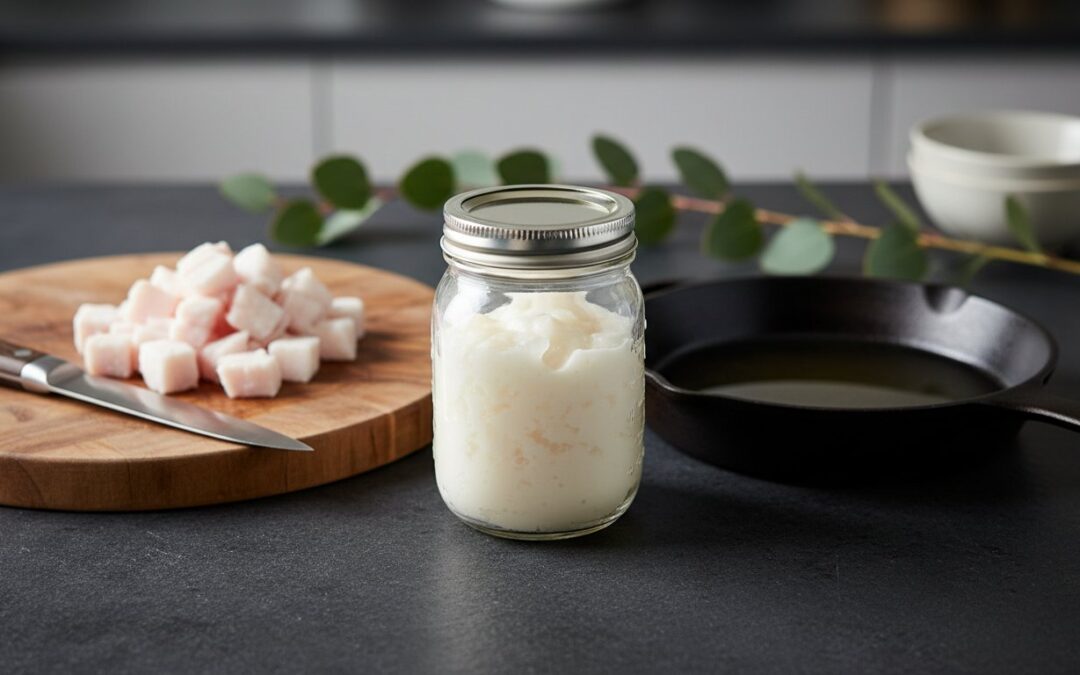
What if the fat trimmings you’re tossing from every brisket cook are worth more than the beef itself?
Key Takeaways
- Transform waste into premium cooking fat – learn how to make beef tallow from brisket trimmings using simple rendering techniques that maximize flavor and minimize waste.
- Master the essential equipment and cutting methods needed to render high-quality tallow with consistent results every time.
- Discover proper storage techniques that keep your homemade beef tallow fresh for months while maintaining its superior cooking properties.
- Avoid common rendering mistakes like burnt fat and uneven heating with proven troubleshooting strategies from BBQ experts.
- Unlock the versatility of beef tallow for high-heat cooking, seasoning cast iron, and traditional BBQ applications that elevate your grilling game.
What is Beef Tallow and Why Use It?
Beef tallow is
Step-by-Step Guide to Rendering Beef Tallow
Learning how to make beef tallow from brisket trimmings transforms your leftover fat into culinary gold. This process requires patience and proper technique, but the results justify every minute spent.
Tools and Equipment for Making Beef Tallow
When learning how to make beef tallow from brisket trimmings, your equipment choices directly impact the quality of your final product. The right tools ensure consistent temperature control, prevent scorching, and deliver clean, professional results every time.
How to Store and Use Your Homemade Beef Tallow
Once you’ve successfully completed learning how to make beef tallow from brisket trimmings, proper storage becomes crucial for maintaining quality and maximizing shelf life. The final steps of straining and storing your rendered fat will determine how long your tallow remains fresh and usable.
Proper Storage Techniques
Start by straining your hot rendered fat through a fine mesh strainer lined with cheesecloth to remove any remaining meat particles or impurities. This step is essential for preventing spoilage and ensuring a clean, pure product.
Troubleshooting Common Issues in Tallow Rendering
Rendering beef tallow from brisket trimmings can be a rewarding process, but it’s not without its challenges. Understanding common issues like burnt tallow and uneven rendering will help you achieve the best results. Here’s how to troubleshoot these problems effectively while mastering how to make beef tallow from brisket trimmings.
Avoiding Common Pitfalls
The key to a successful tallow rendering lies in careful monitoring and technique:
- Monitor temperature closely: Aim for a low and steady heat, ideally between 90°C to 120°C. This prevents the fat from burning and allows for even melting.
- Do not rush the rendering process: Rendering takes time; rushing can lead to burnt fat and unpleasant flavors. Allow several hours for the fat to render fully.
- Ensure even fat piece sizes: Cutting the brisket trimmings into uniform pieces promotes even rendering. Aim for pieces about 2-3 cm in size.
Enhancing Flavor and Texture
Your tallow’s flavor and texture can be improved with a few adjustments:
- Experiment with smoker woods for flavor: Adding wood chips or chunks during the rendering process can infuse your tallow with a unique flavor profile. Popular choices include hickory or mesquite.
- Adjust rendering time for desired consistency: For a firmer tallow, render for a longer period. For a softer version, reduce the time slightly.
- Use quality trimmings for best results: The quality of your brisket trimmings impacts the final product. Choose fat from well-marbled cuts for superior flavor.
By addressing these common issues, you’ll refine your technique and enhance your end product. Remember, practice makes perfect. With each batch, you’ll gain insights into how to make beef tallow from brisket trimmings that meets your standards. Keep experimenting and adjusting until you achieve the ideal flavor and texture. Perfecting your tallow-making skills is a journey, but with diligence, you’ll end up with a premium product that elevates your culinary creations.
Start Rendering Your Own Premium Beef Tallow Today
You now have the complete roadmap for transforming your brisket trimmings into liquid gold. The wet rendering method delivers the cleanest tallow with minimal equipment, while proper straining removes all impurities for a shelf-stable product. Store your finished tallow in airtight containers for up to 6 months at room temperature, or freeze portions for extended use.
Learning how to make beef tallow from brisket trimmings turns kitchen waste into a versatile cooking fat that outperforms commercial alternatives. Your homemade tallow contains zero additives and delivers superior flavour for roasting vegetables, searing steaks, or creating the crispiest chips you’ve ever tasted.
Ready to elevate your BBQ game beyond just rendering fats? Discover more BBQ secrets with Charcoal Kings for expert tips and premium natural charcoal products. No chemicals used in our products means pure, authentic flavours every time you fire up the grill.
Get your hands dirty, start rendering, and taste the difference that real, homemade beef tallow makes in your kitchen.
Frequently Asked Questions
What is beef tallow used for in cooking?
Beef tallow is a versatile fat used in various cooking applications. It’s ideal for frying due to its high smoke point, which ranges between 190°C to 200°C. Additionally, beef tallow adds a rich flavor to dishes, making it a popular choice for roasting vegetables and preparing baked goods, such as biscuits and pastries, that benefit from its unique taste and texture.
How do you store homemade beef tallow safely?
Homemade beef tallow should be stored in airtight containers to maintain its freshness. Once cooled, pour the tallow into glass jars or plastic containers and seal them tightly. Store in the refrigerator for up to three months or in the freezer for up to a year. Always label the containers with the date to keep track of its freshness.
Can I make beef tallow without a Dutch oven?
Yes, you can make beef tallow without a Dutch oven. A slow cooker or a heavy-bottomed pot will work effectively as alternatives. The key is to maintain a low, steady temperature while rendering the fat. Just ensure the pot has a tight-fitting lid to reduce splatter and keep the heat contained.
What is the best temperature for rendering beef fat?
The best temperature for rendering beef fat is around 90°C to 120°C. This low and slow method allows the fat to melt without burning, resulting in pure beef tallow. Using a thermometer helps monitor the temperature accurately, ensuring optimal rendering and flavor retention.
How long does homemade beef tallow last?
Homemade beef tallow can last up to three months in the refrigerator and up to a year when stored in the freezer. Proper storage is crucial for maintaining its quality. Always check for any off smells or discoloration before use, as this indicates spoilage.
Why is beef tallow popular in BBQ?
Beef tallow is popular in BBQ for its ability to enhance flavor and moisture in smoked meats. It helps create a crispy crust on briskets and other cuts, adding depth to the overall taste. Many BBQ enthusiasts appreciate its high smoke point, making it perfect for high-heat cooking methods.