
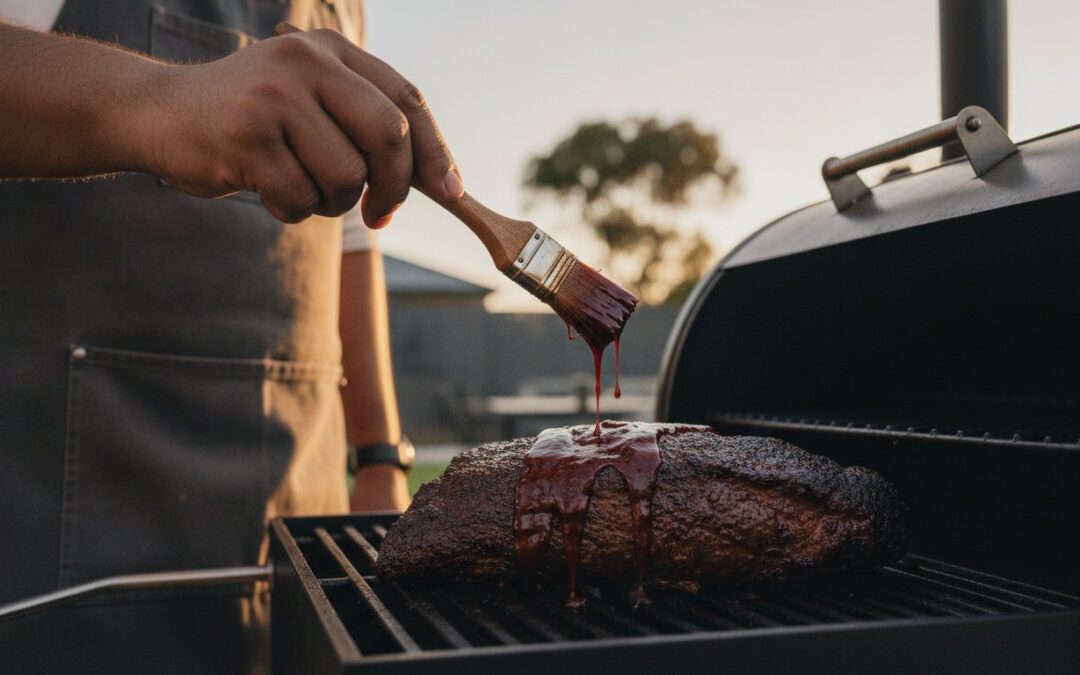
Your premium brisket deserves better than a corn-syrup-heavy glaze that masks the flavor of your hardwood smoke. Most pitmasters spend hours perfecting their fire only to ruin the result with a bottled sauce that’s too sweet and full of artificial preservatives. It’s a common frustration to watch a sauce burn on the grill before the meat is done. You’ve likely tried a few homemade bbq sauce recipes only to find they lack the depth or body of a professional competition entry.
You can master the art of creating professional-grade sauces that enhance the quality of your cook. This guide provides the blueprint for building a versatile master recipe that avoids the thin profile of amateur attempts. We focus on the science of balancing sweet, heat, and tang while ensuring your sauce stands up to high heat without scorching. You’ll also learn the advanced technique of smoking the sauce itself to add a layer of complexity that store-bought bottles can never replicate.
Key Takeaways
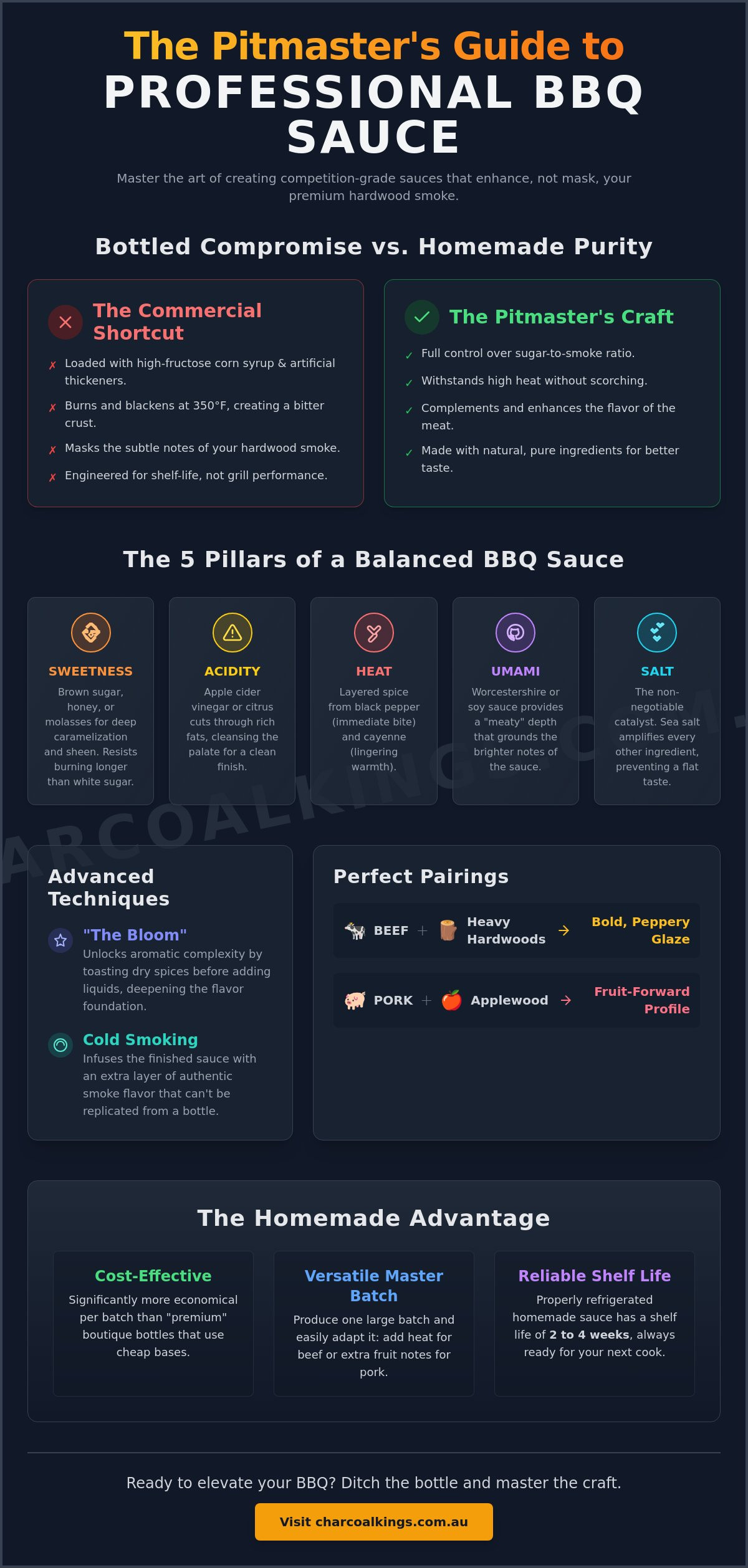
- Control your sugar-to-smoke ratio and eliminate artificial additives by mastering professional homemade bbq sauce recipes.
- Understand the role of acidity and sweetness to create a balanced profile that complements premium hardwood smoke rather than masking it.
- Apply advanced techniques like “The Bloom” and “Cold Smoking” to add layers of aromatic complexity to your final product.
- Learn to pair bold, peppery glazes with heavy hardwoods for beef or fruit-forward profiles with applewood for pork.
- Gain the expertise to engineer a structural component of your cook that withstands high heat without scorching on the grill.
Why Homemade BBQ Sauce Beats the Bottle
Bottled BBQ sauce is an industrial compromise engineered for shelf life, not performance. Most commercial options rely on high-fructose corn syrup and artificial thickeners like xanthan gum to create a cheap, shelf-stable consistency. These additives create a tacky, synthetic texture that coats the palate and masks the subtle notes of your meat. When you utilize homemade bbq sauce recipes, you eliminate these fillers. You gain total command over the sugar-to-smoke ratio. This control is vital for proper bark formation. Excess sugar in low-grade sauces ignites at 350°F, which turns your bark into a bitter, blackened crust long before the meat is finished.
Authenticity matters in every layer of the cook. Looking back at the history of barbecue sauce, you see that traditional styles were developed to highlight specific regional woods and proteins. Modern mass-market glazes ignore this heritage. They are generic and overly sweet. At Charcoal Kings, we believe that purity in fuel demands purity in flavor. If you’ve invested in professional-grade hardwood lump charcoal, don’t suffocate that clean smoke profile with industrial corn syrup.
To better understand the fundamentals of building a sauce from scratch, watch this step-by-step guide:
The Purity Factor: Eliminating Additives
Natural ingredients respond better to the intense, clean heat of hardwood lump charcoal. By using real tomato paste and apple cider vinegar as your foundation, you avoid the metallic, chemical aftertaste found in mass-produced glazes. Clean ingredients don’t just taste better; they behave better on the grill. They allow the wood notes from your smoker to integrate with the sauce rather than bouncing off a layer of preservatives.
Cost vs. Quality: The Pitmaster’s Value
High-quality BBQ doesn’t have to be prohibitively expensive. Breaking down the cost per batch reveals that homemade versions are significantly more economical than “premium” boutique bottles. These store-bought specialty sauces often use the same cheap bases as the budget brands. A homemade batch has a reliable shelf life of 2 to 4 weeks when refrigerated properly. You can produce a single master batch and divide it, adding heat for beef or extra fruit notes for pork. This versatility ensures you always have a professional-grade finish ready for any cut of meat.
The Five Pillars of BBQ Sauce Flavour Profiles
Engineering a professional sauce requires more than just a list of ingredients. It’s a precise balance of five core pillars. When you develop homemade bbq sauce recipes, you’re building a flavor profile that must stand up to intense heat and heavy smoke. This isn’t about masking the meat. It’s about enhancing it through chemistry.
- Sweetness: Brown sugar provides a deep molasses base necessary for caramelisation. Honey or golden syrup adds a specific sheen and a different sugar structure that resists burning longer than white sugar.
- Acidity: This is the counterweight to fat. Apple cider vinegar or citrus juice cuts through the heavy rendering of a brisket or pork shoulder, providing a clean finish on the palate.
- Heat: Avoid one-dimensional spice. Use black pepper for an immediate bite and cayenne or fresh chillies for a lingering, back-of-the-throat warmth.
- Umami: This provides the “meaty” depth. Worcestershire sauce is the industry standard, but soy or even mushroom powder can ground the brighter notes.
- Salt: Sea salt is non-negotiable. It acts as a catalyst for every other ingredient. Without it, your sauce will taste flat regardless of the other components.
According to A Brief History of Barbecue, these flavour profiles were traditionally dictated by local geography and available resources. Modern pitmasters aren’t bound by these borders, but understanding them is essential for consistency.
Regional Styles: From Kansas City to the Outback
Kansas City style is the most recognised profile. It’s thick, sweet, and tomato-heavy, designed specifically for ribs. Carolina style offers a sharper vinegar or mustard-based punch that excels at cutting through pulled pork. In Australia, we’ve developed a unique twist by incorporating local ingredients. Using eucalyptus honey or spicy bush tomato creates a rugged profile that complements our local hardwoods perfectly. To ensure your sauce applies perfectly, consider using high-performance BBQ accessories that allow for even coating and heat management.
Texture and Viscosity: Glaze vs. Mop
The thickness of your sauce determines when it should be applied. A “Mop Sauce” is a thin, acidic liquid. It’s used throughout the cook to keep the meat hydrated and to build layers of flavour. A “Glaze” is thick and sugar-rich. It’s designed for the final 30 minutes of the cook. To achieve perfect “tackiness” without burning, you must wait until the meat is nearly finished. Applying a thick glaze too early results in a scorched, bitter exterior that ruins the bark you worked hours to create.
The Master “Charcoal King” BBQ Sauce Recipe
Precision is the foundation of every professional cook. Most amateur homemade bbq sauce recipes fail because they treat the process as a simple mix-and-boil task. True pitmasters understand that flavor is built in stages. You must gather your aromatics and measure your ratios with clinical accuracy before the first flame is lit. This consistency ensures that your sauce complements your meat every time, rather than becoming an unpredictable variable in your cook.
The secret to a superior profile lies in “The Bloom.” While competitors suggest throwing everything into a pot at once, we utilize a more technical approach. You must toast your dry spices in a small amount of oil or rendered fat before adding liquids. This process releases fat-soluble essential oils in the smoked paprika and garlic powder that remain dormant during a standard water-based simmer. This single step creates a high-definition flavor profile that stands up to the heavy smoke of hardwood lump charcoal.
Simmering is not just about heating; it’s about engineering the correct viscosity. Low and slow is a rule that applies to your sauce as much as your brisket. A gentle simmer for 15 to 20 minutes allows moisture to evaporate, concentrating the sugars and acids. This creates a stable emulsion that won’t break or run off the meat. Finally, you must allow the sauce to cure. A batch tasted 24 hours after production will have a more integrated, mellow profile as the sharp vinegar notes bond with the deep umami components.
Ingredients for the Master Batch
- 2 cups tomato base: Use organic ketchup or a high-quality spiced tomato purée for a clean foundation.
- 1/2 cup apple cider vinegar: This provides the essential “zip” required to cut through animal fats.
- 1/4 cup dark brown sugar: Essential for deep caramelisation and bark development.
- 2 tablespoons Australian golden syrup: Adds a distinct sheen and a complex, buttery sweetness.
- Dry Spices: 1 tablespoon smoked paprika, 1 teaspoon garlic powder, 1 teaspoon onion powder, and 1 tablespoon coarse black pepper.
Step-by-Step Execution
Begin by sautéing finely minced onions and garlic in a heavy-bottomed saucepan until they are translucent. Do not brown them, as burnt garlic introduces a bitter note that ruins the final glaze. Add your dry spices to the pan and stir for 60 seconds until fragrant. This is your bloom phase. Slowly whisk in your tomato base, vinegar, and sugars to ensure a smooth, glossy emulsion. Maintain a gentle simmer for 20 minutes. Use the “Spoon Test” to check your work. Coat the back of a metal spoon and run your finger through the sauce. If the path remains clear and the sauce doesn’t run, your viscosity is perfect. Let the batch cool completely before transferring to a glass jar for its 24-hour cure.
Advanced Techniques: Smoking and Finishing
Smoking your sauce inside the pit is the definitive mark of a master. Standard homemade bbq sauce recipes provide a solid foundation, but they often lack the atmospheric depth of a sauce that has spent time in the smoke chamber. By placing your sauce pot directly into the smoker, you allow the sauce to absorb the same wood notes as the meat. This creates a seamless flavor profile across the entire dish. It’s a technique that bridges the gap between a simple condiment and a structural component of the barbecue.
Integrating Real Smoke Flavour
To achieve maximum absorption, pour your sauce into a shallow tray or pan rather than a deep pot. This increases the surface area exposed to the air. The quality of your fuel is the most critical variable here. Using premium hardwood lump charcoal provides the cleanest smoke base. It ensures you don’t introduce acrid or bitter notes to your glaze. Set your smoker to 110°C. Place the pan in the indirect heat zone for approximately 30 minutes. This duration allows the smoke to penetrate the sauce without over-reducing it or scorching the sugars. You want to enhance the flavour, not turn the sauce into a thick, unworkable paste.
Choose your wood species with intent. Fruitwoods like Cherry or Apple complement sweeter profiles. These woods provide a mild, sweet smoke that integrates perfectly with brown sugar and honey bases. If you want to preserve the fresh “zip” of your vinegar while still adding smoke, utilize the cold smoke method. This involves generating smoke in a separate chamber and piping it into the sauce container at temperatures below 30°C. It adds wood character without cooking the sauce further, which is ideal for Carolina-style vinegar mops.
Correcting Common Sauce Mistakes
Even the most seasoned pitmasters encounter issues with balance. If your batch is too sweet, increase the acidity by adding apple cider vinegar or a splash of lemon juice. If the sauce is too thin, continue simmering it on a low heat to evaporate more moisture. You can use a cornstarch slurry for immediate thickening, but use it sparingly to avoid a synthetic, “plastic” texture. To prevent a burnt taste when grilling over direct heat, only apply sugar-heavy glazes during the final 15 minutes of the cook. High heat carbonizes sugars quickly. Controlling your timing is just as important as controlling your ingredients.
Upgrade your setup with our range of professional smoking woods and accessories to master these advanced techniques and ensure your sauce performs under pressure.
Pairing Your Sauce with the Right Fuel and Meat
Pairing your sauce is the final strategic move in a professional cook. Your choice of homemade bbq sauce recipes must align with the protein’s fat content and the smoke’s intensity. Heavy proteins like beef brisket require bold, peppery sauces. These sauces stand up to the intense, lingering smoke of hardwood lump charcoal. The high black pepper content in the sauce complements the deep, earthy notes of the beef while the acidity breaks down the rendered fat.
Pork ribs demand a different approach. They thrive with fruit-forward, sweet glazes. You should use applewood chips to provide a mild, sweet smoke that mirrors the sugar profile of the sauce. This combination creates the classic candy-like bark found in competition BBQ. For chicken, avoid thick glazes until the very end. Use light, tangy mops during the cook to maintain moisture. Poultry is delicate and absorbs smoke quickly. A heavy sauce often results in a muddy, over-seasoned flavor profile that ruins the natural taste of the bird.
The Binchotan Connection
Japanese-style grilling operates on different principles than traditional low-and-slow BBQ. When using Binchotan, you don’t use heavy, tomato-based glazes. This high-carbon fuel burns at an incredibly high temperature and produces a clean, infrared heat. It’s designed to highlight the purity of the ingredient. Instead of thick glazes, you should use a “Tare.” This is a light, soy-based seasoning that provides a savory finish without masking the meat. Learn more about this specialised fuel in our Binchotan Charcoal guide. Apply these thin glazes to skewers frequently during the cook for a perfect, glossy yakitori-style finish.
Selecting the Right Wood for the Job
The terpene profile of your smoking wood interacts directly with your sauce ingredients. Choosing the wrong wood can make a well-balanced sauce taste bitter or sour. Cherrywood is a superior choice for honey-based sauces. It reacts with the sugars to produce a deep mahogany colour that is visually striking on the plate. For a rugged, traditional Australian profile, use Ironbark. It produces a heavy, dense smoke that needs a robust sauce with plenty of umami and salt to maintain a balanced profile. Matching your fuel, wood, and sauce is how you transition from a backyard hobbyist to a true pitmaster. Get your supplies ready and start your next cook with the confidence of a seasoned professional.
Take Command of Your Final Flavour Profile
You now have the technical blueprint to move beyond generic, additive-filled commercial glazes. By balancing the five pillars of flavour and applying advanced smoking techniques, you ensure your sauce respects both the meat and the fire. Transitioning to professional homemade bbq sauce recipes allows you to control every variable of the cook, from the initial bloom of spices to the final tacky finish on the grill. This level of precision is what separates a hobbyist from a master craftsman.
Superior results require superior materials. Charcoal Kings is Australia’s leading supplier of additive-free hardwood charcoal, providing the clean heat required for elite performance. Our range is trusted by professional competition BBQ teams nationwide who refuse to compromise on purity. Upgrade your next cook with Charcoal Kings Premium Hardwood Lump and explore our expertly curated range of rubs and sauces. It’s time to stop settling for industrial compromises and start producing championship-grade barbecue in your own backyard. Fire up the pit and lead the way.
Frequently Asked Questions
How long does homemade BBQ sauce last in the fridge?
Homemade BBQ sauce typically lasts between 2 and 4 weeks when stored in a sterilized, airtight glass jar in the refrigerator. The high acidity from the vinegar acts as a natural preservative to keep the sauce stable. Always check for changes in smell or the presence of mould before use. Because these homemade bbq sauce recipes lack commercial stabilizers, separation is normal; simply shake the jar to reintegrate the ingredients.
Can I freeze my homemade BBQ sauce for later use?
You can freeze homemade BBQ sauce for 3 to 6 months without significant loss of quality. Use heavy-duty freezer bags or glass jars, ensuring you leave at least 2 centimetres of headspace to allow for liquid expansion. Thaw the sauce in the refrigerator overnight before reheating it gently on the stove. This is an efficient way to manage large batches for future cooks and ensures you always have a professional finish ready.
What is the best way to thicken BBQ sauce without flour?
The most effective way to thicken your sauce without flour is through slow reduction on the stovetop. Simmering the liquid evaporates water and concentrates the natural sugars and tomato solids for a superior mouthfeel. If you need an immediate result, use a cornstarch slurry mixed with equal parts cold water. Whisk it into the boiling sauce slowly to avoid clumps while maintaining the glossy finish expected of a premium glaze.
Why does my BBQ sauce burn on the grill?
Your sauce burns because of high sugar concentrations reacting to direct heat too early in the cook. Most sugars begin to carbonize and turn bitter at approximately 175°C. To prevent this, wait until the meat has reached its final internal temperature before applying the glaze. Limit the sauce’s exposure to the fire to the final 10 or 15 minutes of the grilling process to achieve tackiness without scorching the exterior.
Is apple cider vinegar better than white vinegar for BBQ sauce?
Apple cider vinegar is generally superior because it provides a fruity complexity that white vinegar lacks. While white vinegar offers a sharp, one-dimensional acidity, apple cider vinegar complements the sweetness of honey or brown sugar. This balance is critical when developing homemade bbq sauce recipes that need to cut through the heavy fats of brisket or pork shoulder. It provides a cleaner finish on the palate after every bite.
How do I make my BBQ sauce more “smoky” without liquid smoke?
You can increase smokiness by incorporating smoked paprika, chipotle powder, or smoked sea salt into your base. These dry ingredients provide a grounded, authentic wood flavour that avoids the synthetic chemical aftertaste of liquid smoke. For the best results, use high-quality spices that have been naturally smoked over hardwoods like oak or hickory. This ensures the sauce profile matches the authentic smoke generated by your hardwood lump charcoal.
What is the difference between a BBQ rub and a BBQ sauce?
A BBQ rub is a dry mixture of spices and salts applied to raw meat to build the “bark” or crust during the cook. A BBQ sauce is a liquid finish used to add moisture, shine, and a final layer of flavour at the end. Rubs work with the meat’s surface proteins and fat to create texture, while sauces provide a topical glaze that shouldn’t be applied until the bark is set.
Can I use golden syrup instead of molasses in BBQ sauce recipes?
Golden syrup is an excellent substitute for molasses if you prefer a lighter, more buttery sweetness. Molasses provides a dark, slightly bitter edge that defines many heavy Kansas City styles. Golden syrup offers a milder profile that works exceptionally well with pork or chicken. It creates a beautiful sheen on the meat and caramelises effectively over a hot bed of charcoal without the intense bitterness of overcooked molasses.