
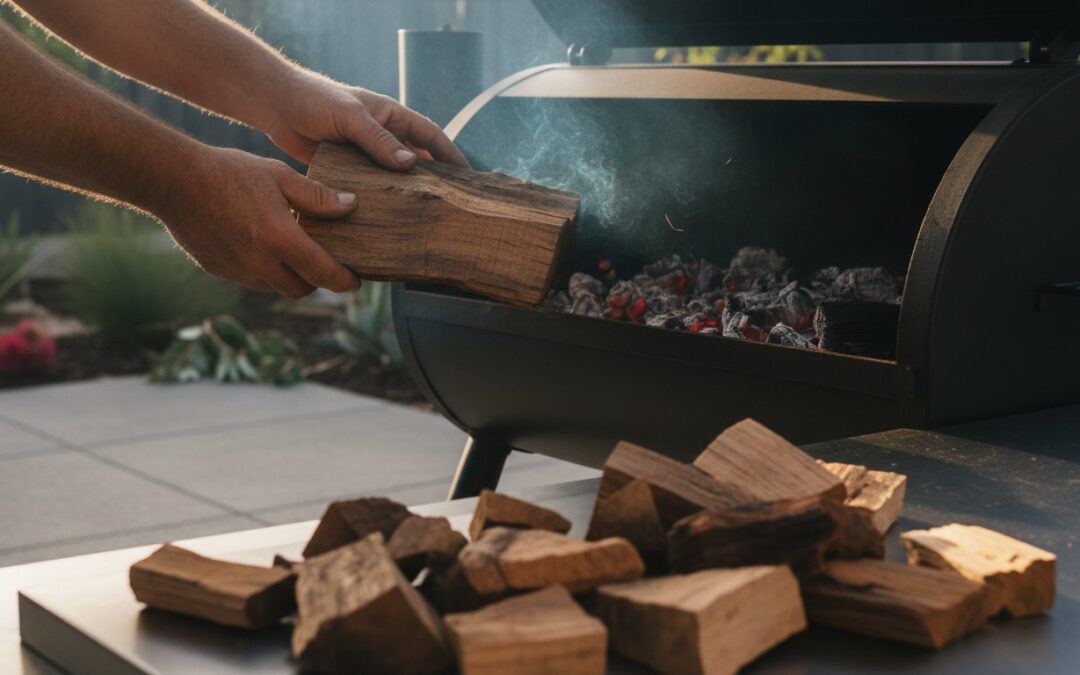
A premium brisket is only as good as the fuel you use to cook it. If you’re still grabbing unseasoned wood or mystery offcuts, you’re essentially seasoning your meat with soot and bitterness. Achieving a world-class bark requires more than just a good rub. It demands the best wood chunks for smoking to ensure a clean, consistent burn that enhances rather than overwhelms your food.
We know the frustration of watching a long cook turn acrid because the wood burned out too fast or produced thick, white smoke. You want that elusive thin blue smoke that delivers a deep, appetising flavour profile without the chemical aftertaste of additives. This guide will help you master your fire by selecting high-quality, pure hardwood chunks that perform under pressure.
You’ll learn the specific characteristics of premium Australian and traditional smoking woods. We explain how to match smoke intensity to different cuts of meat and why moisture precision is the secret to a perfect 2026 pitmaster setup. It’s time to stop guessing and start burning with professional-grade authority.
Key Takeaways
- Learn why wood chunks act as a vital flavour additive that delivers a more stable, enduring smoulder than traditional chips.
- Master the pairing matrix to align smoke intensity with the fat content of your protein for balanced, professional results.
- Identify the best wood chunks for smoking by prioritising kiln-dried, additive-free hardwoods that ensure a clean burn every time.
- Use the ‘Sizzle Test’ to verify wood seasoning and avoid the bitter, acrid smoke caused by improper moisture levels.
- Optimise your pit performance by combining premium hardwood lump charcoal with strategic chunk placement for controlled smoke release.
The Science of Smoke: Why Wood Chunks Rule the Pit
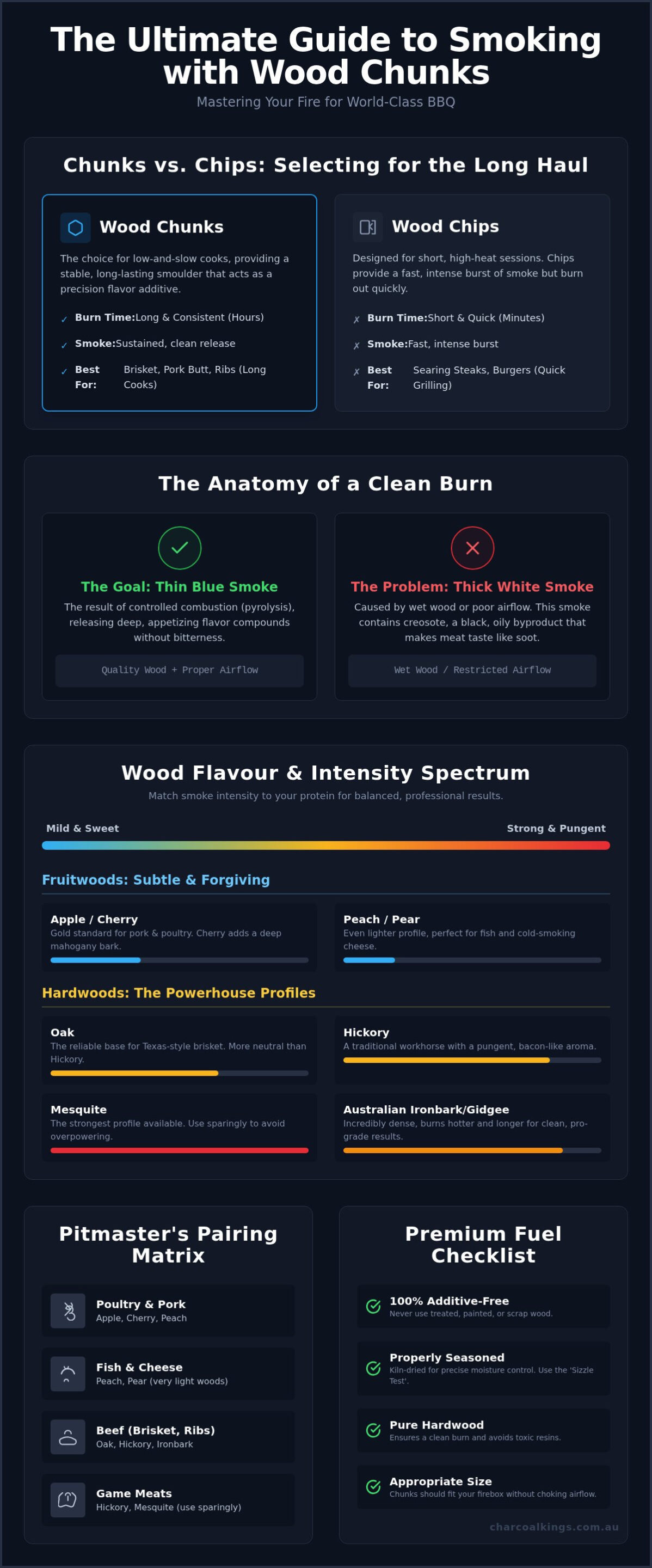
Wood chunks are a precision tool in the pit. They function as a flavour additive rather than a primary heat source. While your hardwood lump charcoal provides the thermal energy, the best wood chunks for smoking provide the aromatic profile that defines great BBQ. Chunks offer a consistent, long-lasting smoulder because of their physical density. A dense piece of seasoned hardwood releases its organic compounds slowly over several hours. This is a massive advantage over wood chips, which often ignite and vanish before the meat has even begun to take on colour.
The process of smoking food relies on the delicate balance of controlled combustion. When wood chunks interact with the right amount of oxygen, they reach the state of pyrolysis. This is the thermal decomposition of the wood. It happens just before the wood turns to ash. This state produces the “thin blue smoke” that every seasoned pitmaster chases. If your wood is green or the airflow is restricted, you end up with thick, white, acrid smoke. That is a recipe for ruined meat.
Chunks vs. Chips: Selecting for the Long Haul
Wood chips have a specific role, but they aren’t meant for a 12-hour brisket. Chips are designed for short, high-heat sessions like searing steaks or finishing burgers. They provide a fast, intense burst of smoke. Chunks are the non-negotiable choice for low and slow cooks. Finding the best wood chunks for smoking means looking for pieces that fit your firebox without choking the air. Because they have a higher surface area to volume ratio, they resist flashing off. This prevents the “bitter burst” of over-smoking that happens when small pieces of wood ignite all at once. For a pork butt or a heavy beef rib, you need the sustained release that only a dense chunk can provide.
The Anatomy of a Clean Burn
A clean burn starts with the quality of the wood. During the smoking process, the wood releases lignin and cellulose. These are the building blocks that create the phenols and guaiacols responsible for that smoky aroma. You want your wood to burn cleanly. If wood lacks oxygen or contains high moisture, it smoulders poorly. This produces creosote, a black, oily byproduct that tastes like soot. Using pure, additive-free wood chunks from a reliable source like Charcoal Kings ensures you avoid these pitfalls. High-performance wood delivers a clean transition from raw material to flavourful smoke. It’s about the science of the burn. Don’t compromise on your fuel if you’ve already invested in premium meat.
Hardwoods vs. Fruitwoods: Navigating the Flavour Spectrum
The choice of wood species determines the final character of your cook. Every variety carries a unique ratio of lignin and cellulose. Lignin is the organic polymer that breaks down into aromatic compounds like vanillin and guaiacol. Cellulose provides the bulk of the smoke. Finding the best wood chunks for smoking requires understanding how these components interact with your specific cut of meat. Heavy hardwoods deliver intense, earthy notes. Delicate fruitwoods offer a subtle sweetness and a lighter touch.
Purity is the absolute priority. Never use treated timber, painted scrap, or mystery offcuts. These contain toxic chemicals and resins that will ruin your meat and potentially your health. We focus on organic-origin, additive-free materials. This ensures you taste the wood, not the processing plant. Australian hardwoods like Ironbark and Gidgee have gained global recognition for their incredible density and clean performance. They burn hotter and longer than most Northern Hemisphere varieties. This makes them a superior choice for professional-grade results.
Fruitwoods: Subtle, Sweet, and Sophisticated
Apple and Cherry wood are the gold standard for pork and poultry. They produce a mild smoke that won’t overwhelm delicate proteins. Cherry is particularly prized for the deep, mahogany bark it develops on ribs and chicken. Peach and Pear offer even lighter profiles, perfect for fish or cold-smoking cheeses. Beginners should start with fruitwoods. They are forgiving. It’s difficult to over-smoke meat when using these varieties, making them a safe entry point into the craft.
Hardwoods: The Powerhouse Profiles
Finding the best wood chunks for smoking beef or game requires moving into the heavy hardwood category. These woods stand up to long cook times and intense heat.
- Hickory and Oak: These are the traditional workhorses. Hickory provides a pungent, bacon-like aroma. Oak is more neutral and serves as a reliable base for Texas-style brisket.
- Mesquite: This is the strongest smoke profile available. Use it sparingly. It can easily turn meat bitter if used for the entire duration of a long cook.
- Ironbark and Gidgee: These Australian legends are exceptionally dense. Ironbark is the premier choice for beef, offering a robust but smooth finish. Gidgee burns incredibly clean and is often compared to the highest grade of charcoal in terms of heat stability.
Selecting the right fuel is a deliberate decision. If you want to elevate your next cook, consider the premium smoking woods available to match your specific protein choice. Match the wood to the meat and let the quality of the fuel do the work.
The Ultimate Pitmaster’s Pairing Matrix: Matching Wood to Meat
For a 12-hour brisket cook, you need wood that stands up to sustained heat. Dense hardwoods release their flavour compounds slowly. This prevents the smoke from becoming “stale” or bitter midway through the cook. Many pitmasters choose to layer their smoke by mixing species. A common professional tactic is using a 70/30 split of Oak and Cherry. This provides the reliable, clean-burning base of a heavy hardwood while adding the superior colour-enhancing properties of fruitwood. This combination ensures a perfect bark texture without compromising the deep, traditional smoke profile.
Heavy Hitters for Beef and Game
Beef requires a bold partner. These woods provide the strength needed for heavy proteins:
- Oak: Known as the “universal” beef wood. It’s predictable, clean, and produces a medium-strength smoke that lets the quality of the meat shine.
- Hickory: A traditional choice for lamb or venison. It delivers a pungent, bacon-like finish that stands up to the gamey flavours of these meats.
- Ironbark: This is the premier Australian choice for an authentic outback profile. It’s incredibly dense and delivers a smooth, robust flavour perfect for large beef cuts.
Sweet and Subtle for Pork and Poultry
Lighter meats require a sophisticated smoke that enhances natural sweetness:
- Applewood: The classic choice for pork ribs. It provides a sweet, fruity aroma that complements pork better than any other species.
- Cherrywood: Use this for poultry to achieve a deep mahogany colour. It’s milder than apple and carries zero risk of bitterness.
- Pecan: Often called the “middle ground” wood. It’s richer than fruitwoods but lacks the aggressive punch of hickory, making it ideal for turkey and chicken.
The Versatile All-Rounders
Some woods are balanced enough to work across the board. Maple and Alder are the primary examples. Maple offers a mild, sweet finish that works exceptionally well for pork and even heavy vegetables. Alder is the lightest of the hardwoods and is the traditional choice for salmon and other oily fish. When you want the best wood chunks for smoking a mixed tray of meats and sides, these all-rounders provide a consistent, non-competing flavour profile that satisfies every guest at the table.
Identifying Premium Fuel: The Quality Checklist for Wood Chunks
Quality control is the final barrier between a culinary masterpiece and a bitter disaster. Purity serves as the non-negotiable signature of the best wood chunks for smoking. You cannot rely on mystery bags or unverified sources if you expect consistent results. High-performance wood must be free from pesticides, chemicals, and fungi. When you invest in premium cuts of meat, your fuel must meet the same standard of excellence. Anything less than organic-origin hardwood is a risk to your cook and your equipment.
The ‘Sizzle Test’ is a practical method to verify your wood’s readiness. Place a chunk directly onto your hot charcoal. If you see moisture bubbling from the grain or hear a distinct hissing sound, the wood is green. Green wood absorbs thermal energy to evaporate water rather than producing flavourful smoke. This results in the heavy, white smoke that ruins a bark. Conversely, heartwood chunks are superior to bark-heavy pieces. Bark is the tree’s protective layer. It often traps dirt and produces a sooty, acrid finish. Focus on chunks that are primarily heartwood for the cleanest aromatic release. Be wary of the ‘kiln-dried’ trap. While kiln-drying kills pests, some industrial processes use excessive heat that strips the wood of its natural oils. This leaves you with a flavourless husk that burns hot but adds nothing to the meat.
Moisture Content: The 15-20% Sweet Spot
Professional pitmasters target a moisture content between 15% and 20%. Wood in this range ignites predictably and smoulders steadily. If the wood is too wet, it produces creosote. If it’s bone-dry or ‘over-seasoned’, it flashes off too quickly. This leaves you with no smoke profile and a fire that is difficult to manage. In Australia’s varied climate, storage is critical. Keep your chunks in a dry, ventilated area off the ground. This prevents rot and ensures the best wood chunks for smoking stay at peak performance levels for your next cook.
The Purity Standard: No Additives, No Compromise
Never use recycled timber or pallet offcuts. These materials are often treated with methyl bromide or contain glues and paints that release toxic fumes when burned. Sourcing from a specialist like Charcoal Kings ensures your fuel is of organic origin and entirely additive-free. It’s vital to remember that firewood standards differ significantly from smoking wood requirements. Firewood prioritises heat output. Smoking wood prioritises the purity of the aromatic compounds. Don’t settle for industrial leftovers when you can use professional-grade fuel.
For those looking to secure larger quantities for heating or extensive pit work, understanding Per-Unit Firewood Sales and Delivery Fees can help you identify high-quality suppliers who prioritise transparent pricing and professional handling.
Ready to upgrade your pit setup? Secure your supply of premium hardwood chunks today and experience the difference that pure, seasoned fuel makes to your bark.
The Charcoal Kings Standard: Optimising Your Burn with Chunks and Charcoal
Professional results come from the synergy between your primary heat and your flavour additive. Using premium hardwood lump charcoal as a base ensures a clean, neutral burn. This allows the best wood chunks for smoking to deliver their specific aromatic profile without interference from chemical binders or low-grade coal. A stable coal bed is the foundation of every successful cook. It provides the consistent thermal energy required to trigger pyrolysis in your wood chunks.
Strategic placement is vital for long-duration sessions. Use the ‘Minion’ method for cabinet smokers or the ‘Snake’ method for kettle grills. These techniques allow for a timed smoke release as the fire moves through your fuel. You don’t want all your wood igniting at once. This leads to temperature spikes and over-smoked meat. By staggering your chunks, you ensure a steady stream of clean smoke throughout the most critical stages of the cook.
Never soak your wood chunks. This is the most persistent myth in BBQ. Soaking wood produces steam. Steam is not smoke. It cools the firebox and creates dirty smoke until the water finally evaporates. Dry, seasoned wood is the only way to achieve instant, clean combustion. Transitioning from a backyard hobbyist to an expert requires a commitment to professional-grade fuel and the rejection of these common myths.
The ‘Dirty Smoke’ Trap and How to Avoid It
Thick, billowing white smoke signals incomplete combustion. It deposits soot and creosote on your food. This results in a bitter, tongue-numbing finish. Avoid this by pre-heating your chunks. Place them on top of your offset firebox or near the hot zone before adding them to the coals. Pre-heated wood ignites instantly. This maintains your temperature and keeps the smoke blue and transparent. Airflow management is the second half of this equation. Keep your exhaust vents open to ensure a constant supply of oxygen reaches the fire.
Setting Up for the Long Haul
Efficiency is the hallmark of a master. For a 4-hour poultry cook, 2 to 3 medium chunks are usually sufficient. An 8-hour pork shoulder requires 4 to 6 chunks. For a 12-hour brisket, you need a sustained supply of 8 or more chunks distributed through your charcoal. For high-end precision, some pitmasters mix their chunks with Binchotan. This Japanese white charcoal provides an incredibly stable, long-lasting heat source that pairs perfectly with dense Australian hardwoods. It’s time to stop settling for hardware store offcuts. Shop the Charcoal Kings range to secure the purest smoking woods in Australia.
Master the Art of the Perfect Smoke
Consistency in the pit is the hallmark of a true master. Achieving that world-class bark requires a deep understanding of how your fuel behaves under heat. You now have the tools to select the best wood chunks for smoking based on protein density, fat content, and desired flavour profile. By prioritising heartwood over bark and seasoned wood over green timber, you eliminate the risk of acrid, bitter smoke ruining your expensive cuts of meat.
Charcoal Kings provides the foundation for your success. Our expertly seasoned Australian hardwoods are 100% natural and entirely additive-free. This is why we are trusted by professional pitmasters across Australia who refuse to compromise on quality. Whether you’re layering Ironbark for a robust brisket or using Cherrywood for a mahogany poultry finish, the purity of your fuel remains the non-negotiable signature of your craft.
Secure your premium smoking wood chunks from Charcoal Kings today! It’s time to stop guessing and start delivering consistent, professional-grade results every time you light the fire. Your next legendary cook starts with the right fuel.
Frequently Asked Questions
Should I soak wood chunks before smoking?
No, soaking wood chunks is a common mistake that ruins your fire management. It produces steam rather than smoke and lowers the temperature of your coal bed. This leads to incomplete combustion and a bitter taste on the meat. Always use dry, seasoned wood to ensure a clean, efficient burn from the moment the chunk hits the heat. Dry wood ignites faster and maintains the thin blue smoke required for professional results.
How many wood chunks should I use for a brisket?
You should plan for roughly 8 to 10 medium-sized chunks for a standard 12-hour brisket session. Don’t dump them all in at once. Stagger the chunks throughout your charcoal using the ‘Snake’ or ‘Minion’ method. This ensures a steady stream of smoke during the first half of the cook when the meat is most receptive to flavour. Using high-quality fuel prevents the acrid buildup that ruins long cooks.
What is the difference between wood chunks and wood chips?
The primary difference is the burn duration and heat stability. Chunks are large blocks that smoulder for hours, making them perfect for long cooks. Chips are small slivers that ignite and vanish quickly. If you want the best wood chunks for smoking, choose dense hardwoods that provide a sustained aromatic release without needing constant refills. Chunks are essential for low and slow BBQ, while chips suit fast searing.
Can I mix different types of wood chunks together?
Mixing wood types is an excellent way to create a signature flavour profile. Many pitmasters combine a heavy hardwood like Oak with a sweeter fruitwood like Apple or Cherry. This layering provides a robust, earthy base with a sophisticated, sweet finish. Stick to a 70/30 ratio when starting to ensure the flavours remain balanced. It’s a reliable method to achieve the exact aroma you want for specific proteins.
What is the best wood for smoking beef ribs?
Ironbark is the top-tier choice for beef ribs because of its high density and clean flavour. It stands up to the heavy fat content and produces a deep, mahogany bark. Oak is another reliable option if you prefer a more neutral smoke profile that lets the natural beefiness of the ribs take centre stage. Both woods provide the sustained heat needed for these thick, fatty cuts without turning the meat bitter.
How do I know if my wood chunks are seasoned correctly?
Properly seasoned wood will feel light for its size and produce a hollow sound when two pieces are struck together. You can also use the ‘Sizzle Test’ by placing a piece on hot coals. If it hisses or bubbles, the moisture content is too high. Aim for a moisture level between 15% and 20% for optimal performance. Correct seasoning is the only way to avoid the dirty smoke caused by green timber.
Does the bark on wood chunks need to be removed?
While you don’t have to remove every scrap, heartwood is always superior to bark. Bark is the protective outer layer and can contain dirt, moss, or insects. Burning bark often results in a sooty, acrid smoke that can taint the flavour of your meat. Focus on using clean, heartwood-heavy pieces for the best wood chunks for smoking. This ensures the aromatic compounds remain pure and the burn stays clean.
How should I store my smoking wood chunks to prevent mould?
Mould is a direct result of poor airflow and high moisture. Store your chunks in a dry, ventilated space, preferably off the ground on a rack or pallet. Avoid airtight plastic containers that trap humidity. In Australia’s climate, a breathable crate in a shed or garage is the most effective way to keep your fuel in peak condition. Constant airflow prevents rot and keeps the wood ready for your next session.