Most backyard cooks think any bag of lump charcoal works for a hibachi, but using the wrong fuel is the fastest way to ruin a premium cut of Wagyu with acrid smoke and dangerous sparks. Finding the best charcoal for hibachi grill performance is about more than just heat; it’s about the purity of the burn. You know that hibachi grilling is an art form built on precision, and there’s nothing more frustrating than a fire that dies out before the second course is served or a chemical aftertaste that masks the natural marbling of your meat.
This professional 2026 guide identifies the specific fuels that deliver intense infrared heat and a clean, additive-free finish. We’ll explore why high-density Binchotan remains the industry gold standard for its incredible longevity and zero-smoke profile. You’ll also learn how to manage the 2026 IMDG shipping regulations currently impacting the global charcoal market and which hardwood alternatives provide the most reliable heat for a slow-paced, multi-course dining experience. This is the definitive look at achieving a professional sear without the hazards of sparking or inconsistent temperatures.
Key Takeaways
- Understand why ceramic hibachi grills require specialized high-density fuels to reach professional searing temperatures without damaging the vessel.
- Explore the performance benefits of Binchotan charcoal, including its ability to burn for up to six hours with virtually zero smoke or sparks.
- Compare different fuel types to find the best charcoal for hibachi grill use, prioritizing 100% natural materials over chemical-heavy supermarket alternatives.
- Learn how to match your charcoal selection to your specific menu to prevent overpowering delicate ingredients like seafood and vegetables.
- Discover the safest ignition techniques and how to properly extinguish and reuse premium charcoal for maximum cost efficiency.
Why Your Hibachi Grill Requires Specific Charcoal Types
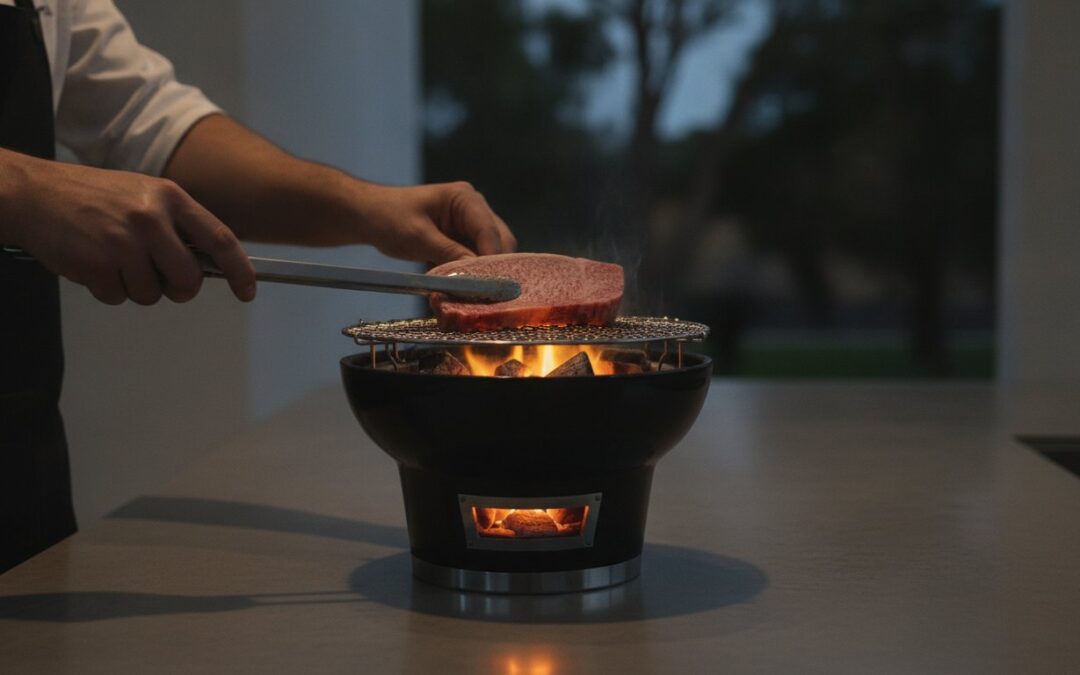
The traditional hibachi, or shichirin, is a precision instrument designed for high-density fuels. It isn’t a standard backyard kettle grill; it’s a ceramic or diatomaceous earth vessel built to concentrate heat into a small surface area. Using the best charcoal for hibachi grill performance is the only way to protect the structural integrity of these specialized tools. Cheap supermarket briquettes are loaded with chemical binders, sawdust, and fillers that produce excessive soot. These impurities penetrate the porous walls of a ceramic grill, leaving behind a permanent chemical odor that taints every future meal. High-quality fuel ensures the only thing you taste is the natural profile of your ingredients.
Airflow also dictates your fuel choice. Hibachi grills have small, adjustable vents that provide limited oxygen. Large, irregular chunks of low-grade lump charcoal can easily choke these vents or create uneven hot spots. Furthermore, the risk of thermal shock is significant. Diatomaceous earth grills are prized for their insulation, but they’re fragile. Low-quality fuels that spark or pop violently can cause rapid temperature spikes, leading to structural cracks. Professional-grade charcoal provides a steady, predictable burn that keeps your grill in peak condition for years.
To better understand why premium fuel is the foundation of successful grilling, watch this helpful video:
The Science of Infrared Grilling
Hibachi cooking relies on radiant infrared heat rather than the convective heat used in larger smokers. Pure Binchotan charcoal is the gold standard because its high carbon content emits intense infrared waves. This energy penetrates meat deeply and quickly, searing the exterior while retaining internal moisture. This process creates the “flavor of the fire” without the need for heavy wood smoke. When you use the best charcoal for hibachi grill setups, you’re choosing a fuel that enhances the natural sweetness of seafood and the richness of Wagyu beef through pure thermal energy.
Safety and Ventilation Essentials
Safety is non-negotiable when dealing with high-density fuels. While premium charcoal is often marketed as “smokeless,” it still produces carbon monoxide. Never use a hibachi in an enclosed space without industrial-grade extraction systems. As of January 2026, the IMDG Code Amendment 42-24 has updated safety classifications for charcoal transport due to its volatile nature; this same respect for the fuel should apply to your home setup. Always grill outdoors or in a space with cross-ventilation. Proper setup ensures that your multi-course dining experience remains safe and enjoyable for everyone at the table.
Binchotan: The Gold Standard for Authentic Japanese Grilling
Binchotan is widely considered the best charcoal for hibachi grill enthusiasts who prioritize performance over convenience. It is produced through a traditional carbonization process where wood is heated to extreme temperatures before being rapidly cooled with a mixture of sand, ash, and soil. This creates the signature white appearance that gives it the name “white charcoal.” Unlike standard lump charcoal, high-grade Binchotan is nearly 100% pure carbon. This density is so high that two pieces struck together produce a clear, metallic ring, a hallmark of superior quality.
This purity translates directly to the plate. Because there are no resins, chemicals, or additives, Binchotan burns with zero smoke and zero odor. This allows the subtle nuances of traditional Japanese grilling to shine. You aren’t tasting the fuel; you’re tasting the ingredient. Whether it’s a delicate scallop or a fatty piece of pork belly, the flavor profile remains untainted by soot or acrid chemical fumes.
Why Binchotan is the Ultimate Choice
The primary advantage of Binchotan is its intense infrared heat. While standard coals struggle to maintain high temperatures, Binchotan can reach up to 1000°C. This creates an immediate, crispy crust on meats while keeping the interior juicy. It’s also the safest option for tabletop use because it doesn’t spark or pop. The ash production is minimal, which prevents your cooking area from becoming a mess during long dining sessions.
Longevity is another critical factor. A single load of Binchotan can burn consistently for 4 to 6 hours. While the initial investment is higher than standard lump, the economic value is superior. You can extinguish the coals in a ceramic pot or water and reuse them for your next session. This durability makes it a practical choice for both professional chefs and serious home cooks who value efficiency.
Identifying Genuine Binchotan
True Binchotan comes in several varieties. Japanese Kishu Binchotan is the most prestigious, made from Ubame oak. However, high-quality Vietnamese and Indonesian versions made from eucalyptus or lychee wood offer excellent performance at a more accessible price point. You can identify genuine stock by the white ash coating and the weight; it should feel significantly heavier than standard charcoal of the same size. If it feels light or lacks that metallic “clink,” it’s likely a lower-grade imitation.
For a deeper dive into technical grading and wood species, read our Binchotan Charcoal: The Ultimate Guide to Japanese White Charcoal. If you’re ready to upgrade your next session, explore the professional-grade Binchotan Charcoal available in our shop.
Comparing Hardwood Lump Charcoal and Briquettes for Hibachi
While Binchotan is the professional benchmark, many cooks require a more accessible best charcoal for hibachi grill option for everyday use. Hardwood lump charcoal is the primary contender for those seeking a balance between performance and convenience. Unlike mass-produced briquettes, premium lump charcoal is 100% carbonized wood. This purity is vital for small ceramic grills where any chemical off-gassing directly impacts the flavor of your food. When you use natural hardwood, you’re ensuring that the heat remains consistent and the aroma stays clean.
The choice between these fuels often comes down to how they interact with the hibachi’s unique design. Because these grills are compact, they’re sensitive to ash buildup and airflow restrictions. High-quality natural fuels produce minimal residue, keeping the air vents clear and the temperature stable throughout your session. Choosing a fuel with no additives isn’t just about taste; it’s about maintaining the technical performance of your equipment.
Hardwood Lump Charcoal: The Practical Alternative
Hardwood lump provides a high-heat, fast-lighting experience that suits spontaneous grilling sessions. For hibachi use, size selection is critical. Large chunks intended for offset smokers will block airflow in a small shichirin, while “fines” or tiny fragments will fall through the charcoal grate. Medium-sized pieces, roughly the size of a lemon, are ideal for creating an even bed of coals.
The wood species determines the specific heat output and aroma. Australian Gidgee is a top-tier choice for its extreme density and long burn time, often outperforming other hardwoods in high-heat applications. Mallee is another reliable option, offering a classic, rugged BBQ scent that complements red meats. You can find a detailed breakdown of these characteristics in our guide on Lump Charcoal: The Pro’s Choice for Flavour.
The Case Against Standard Briquettes
Most commercial briquettes are unsuitable for hibachi grilling. They’re manufactured using sawdust and coal dust held together by starch or chemical binders. These additives produce thick, acrid smoke during ignition and a lingering chemical smell. In the tight, focused cooking zone of a hibachi, this smoke is trapped near the food, ruining delicate proteins like seafood or chicken skin.
Airflow management is another major failure point for briquettes. They produce significantly more ash than natural lump charcoal. Because hibachi grills rely on small, precise air vents to regulate temperature, high ash volume quickly clogs the oxygen supply. This leads to a rapid drop in temperature and “dead zones” in your fire. If you want a consistent, high-heat cook that lasts for multiple courses, stick to natural hardwood products that leave minimal residue behind.
How to Select the Right Fuel for Your Specific Hibachi Menu
Selecting the best charcoal for hibachi grill sessions depends entirely on your specific menu and timeline. A high-heat sear for a few skewers requires a different strategy than a multi-hour tasting menu. While purity is the baseline for all hibachi cooking, the physical properties of the fuel must align with your ingredients to ensure the best results. You don’t want to waste high-end fuel on a quick snack, just as you don’t want your fire dying halfway through a dinner party.
Seafood and vegetables demand the cleanest fuel possible. Because these ingredients are delicate, they absorb aromas quickly. If your charcoal contains even trace amounts of binders or softwoods, you’ll taste the fuel instead of the food. For fatty meats like Wagyu or pork belly, managing flare-ups is the priority. High-density charcoal provides a stable bed of embers that reacts less violently to dripping fat. This prevents the acrid char caused by grease fires and keeps the cooking surface at a consistent temperature.
The Quick Session (under 1 hour)
Hardwood lump is the most efficient choice for sessions lasting under an hour. It ignites fast, reaching cooking temperature in roughly 15 minutes. This speed makes it ideal for midweek dinners or quick appetizers like Wagyu skewers and prawns. You avoid wasting the long-burn potential of premium white charcoal on a short session. It provides a rugged, authentic flavor profile that works perfectly for fast-seared proteins and charred vegetables.
The Traditional Long Lunch (2+ hours)
For omakase-style meals or social gatherings lasting over two hours, Binchotan is the only viable option. It provides steady, non-fluctuating heat that doesn’t require constant attention. You can top up the grill by placing fresh pieces alongside active embers without causing temperature drops or soot clouds. This consistency is vital for thick cuts of meat that require a precise, even cook over a longer period. The high infrared output ensures deep heat penetration without burning the exterior.
Many pitmasters use a hybrid approach to balance cost and performance. Starting the fire with a base of hardwood lump provides immediate heat. Adding Binchotan once the base is established provides the long-term infrared energy needed for a multi-course event. This strategy ensures you have the right thermal profile for every ingredient on the menu. Shop our selection of premium charcoal products to find the perfect match for your next hibachi session.
Pro Tips for Lighting and Reusing Your Hibachi Charcoal
Lighting the best charcoal for hibachi grill performance requires a departure from standard backyard habits. You’re dealing with high-density, low-porosity materials that don’t catch fire instantly. Rushing the process often leads to uneven heat and wasted fuel. Mastering the ignition phase is the first step toward achieving a professional-grade sear and maintaining the longevity of your ceramic equipment.
The chimney starter is your most reliable tool for this task. It concentrates heat at the base, forcing hot air upward to ignite dense logs or lumps efficiently. Place your charcoal inside the cylinder and use natural fire starters underneath. Never use liquid fire starters. These petroleum-based chemicals soak into the porous walls of your hibachi and contaminate your food with toxic fumes. Once the charcoal is covered in a thin layer of white ash, it’s ready to be moved into the grill.
Precision heat control is achieved with a traditional Uchiwa hand fan. Because hibachi grills have limited vent space, manual fanning is the best way to manage oxygen flow. Fanning the embers increases the infrared output for a quick sear, while stopping allows the temperature to settle. This manual control is a hallmark of traditional Japanese grilling and ensures your fire reacts instantly to your needs.
How to Light Binchotan Without the Struggle
Lighting pure white charcoal is notoriously difficult because of its extreme density. A common professional technique involves pre-heating Binchotan over a bed of ignited hardwood lump charcoal. The lump charcoal provides the initial thermal energy needed to bridge the gap to the Binchotan’s high ignition point. You can also use a specialized wire rack over a gas hob for small quantities, but use extreme caution to avoid popping. Patience is mandatory; Binchotan can take 20 to 30 minutes to prime, which is significantly longer than the 10 minutes required for standard lump.
Extinguishing and Reusing Your Charcoal
One of the greatest benefits of premium fuel is its reusability. To save your Binchotan for a future session, use the water dip method or an airtight extinguishing pot. Submerging active coals in water stops the combustion immediately, though you must ensure they’re completely dry before relighting. Alternatively, place the hot coals in an airtight ceramic or metal vessel. This starves the fire of oxygen, preserving the remaining carbon for your next cook. This practice significantly reduces your cost per session, making professional-grade fuel a smarter long-term investment.
Ready to upgrade your BBQ? Shop our Premium Binchotan and Hardwood Lump Charcoal.
Elevate Your Tabletop Grilling Performance
Professional hibachi grilling is defined by the quality of your fuel. Selecting the best charcoal for hibachi grill use requires prioritizing high-density materials that emit intense infrared energy without the interference of chemical additives. Whether you choose the incredible longevity of Binchotan or the fast-lighting efficiency of premium Hardwood Lump, the goal remains the same: a clean, consistent burn that protects your grill and enhances your ingredients. High-quality fuel is the foundation of every successful sear.
Don’t settle for supermarket briquettes that clog your vents with ash and ruin delicate meats with acrid smoke. Charcoal Kings provides the same 100% Natural Hardwood and Binchotan trusted by Australia’s top Yakitori restaurants. Our products contain no fillers or additives, ensuring a pure flavor profile every time you light up. We offer same-day dispatch for Adelaide locals to get your next session started without delay. It is time to stop fighting your fuel and start focusing on your craft.
Order Professional-Grade Hibachi Charcoal from Charcoal Kings today and experience the difference that expert-grade fuel makes. Get ready to fire up the grill and master the art of the perfect sear.
Frequently Asked Questions
Can I use regular BBQ charcoal in a hibachi grill?
You can use hardwood lump charcoal, but you should avoid standard supermarket briquettes. Briquettes contain chemical binders and fillers that produce thick smoke and leave an acrid aftertaste on your food. In the concentrated cooking zone of a hibachi, these impurities ruin the flavor of delicate proteins. Natural hardwood lump is a superior alternative because it burns cleaner and produces significantly less ash.
Why is Binchotan charcoal so expensive compared to lump charcoal?
Binchotan is expensive because of its labor-intensive production process and extreme carbon density. It is crafted by heating oak to temperatures exceeding 1000°C before it is rapidly cooled with a mixture of sand and ash. This creates a fuel that is nearly 100% carbon. While the initial cost is higher, its ability to burn for up to six hours and be reused makes it a high-value investment.
How do I light Binchotan charcoal for my hibachi?
The most efficient way to light Binchotan is by using a chimney starter or placing it over a bed of active hardwood lump charcoal. Because of its incredible density, Binchotan has a high ignition point and typically takes 20 to 30 minutes to prime. You must avoid liquid fire starters at all costs. These chemicals will soak into your ceramic grill walls and permanently taint the flavor of your meals.
Can I use a hibachi grill indoors with the right charcoal?
You should never use a hibachi grill indoors without a professional industrial extraction system. Even the best charcoal for hibachi grill use produces carbon monoxide, which is a colorless and odorless gas that is deadly in enclosed spaces. While premium fuels like Binchotan are often called “smokeless,” they still generate dangerous emissions. Always operate your grill in a well-ventilated outdoor area to ensure safety.
How long does charcoal last in a hibachi grill?
Standard hardwood lump charcoal generally lasts between 45 and 90 minutes depending on your airflow settings. High-quality Binchotan charcoal performs much longer, often maintaining consistent heat for 4 to 6 hours. This extended burn time is ideal for multi-course omakase-style dining where you need steady infrared energy over a long period. The density of the wood species directly dictates these duration metrics.
How many times can I reuse Binchotan charcoal?
You can typically reuse Binchotan 2 to 3 times if you extinguish it properly after each session. To save the fuel, place the active embers in an airtight ceramic or metal pot to starve them of oxygen. You can also use a quick water dip, though the charcoal must be completely dry before you attempt to relight it. This reusability significantly lowers the long-term cost of using premium fuel.
What is the difference between white charcoal and black charcoal?
The primary difference is the cooling method and the resulting carbon purity. White charcoal, or Binchotan, is pulled from the kiln at white-hot temperatures and smothered in a mixture of sand and ash. This results in a hard, metallic-sounding fuel that is nearly pure carbon. Black charcoal is cooled slowly inside the kiln, making it softer, easier to light, but much faster to burn out.
Do I need to use a chimney starter for hibachi charcoal?
A chimney starter is the most reliable tool for igniting the best charcoal for hibachi grill performance without using chemical additives. It uses a natural draft to concentrate heat, which is essential for lighting dense fuels like Binchotan. Using a chimney ensures your coals are evenly lit and covered in a thin layer of white ash before they ever touch your grill grate, guaranteeing a clean start.