
The classic silhouette of a long cooking chamber with a firebox on the side is the hallmark of authentic, low-and-slow barbecue. These are offset smokers, and while their design might look intimidating, they are the definitive tool for achieving genuine wood-fired flavour. Many aspiring pitmasters are put off by the learning curve, worrying about managing the fire, understanding the airflow, and choosing the right model without wasting money on the wrong features.
This guide cuts through the noise. We are stripping the process back to the fundamentals. Here, you will get a straightforward explanation of exactly what an offset smoker is and how it works, from firebox to chimney. We cover the essential principles of heat and smoke control, weigh the pros and cons, and give you the foundational knowledge to get started. Forget the confusion—it’s time to master the art of authentic barbecue with confidence.
The Anatomy of an Offset Smoker: Understanding the Key Components
When it comes to authentic, ‘low and slow’ Australian barbecue, the offset smoker is the classic choice for serious pitmasters. Its iconic two-box design features a smaller firebox attached to the side of a larger, horizontal cooking chamber. This fundamental separation is the key to its performance, moving the direct, intense heat of the fire away from your food and allowing it to cook gently in a bath of hot air and flavourful smoke.
To get a better visual on how these parts work together, this video provides an excellent overview for beginners.
Mastering how these components interact is the first and most critical step to achieving consistent, mouth-watering results with offset smokers. Let’s break down the three core parts of this powerful barbecue machine.
The Firebox: Your Engine Room for Heat and Flavour
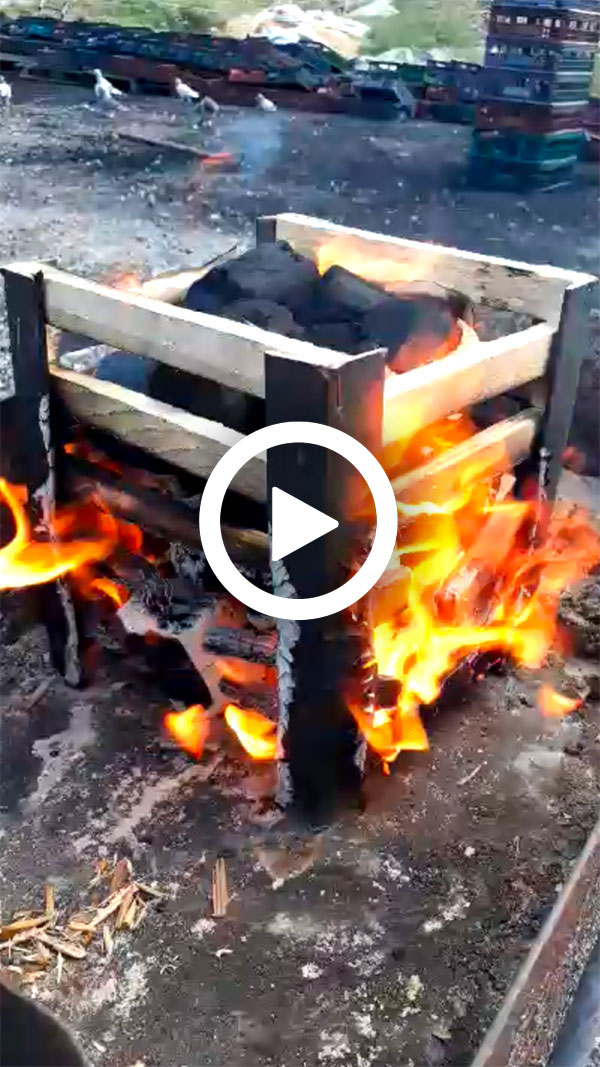
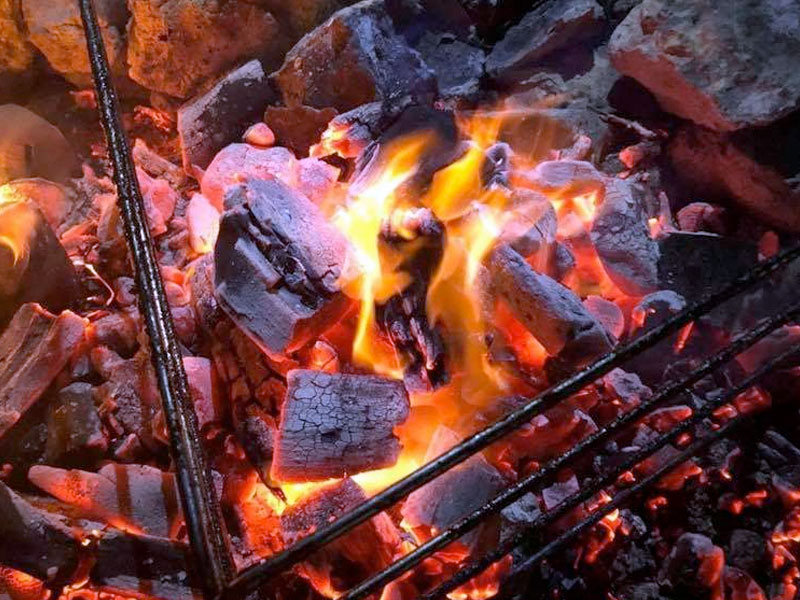
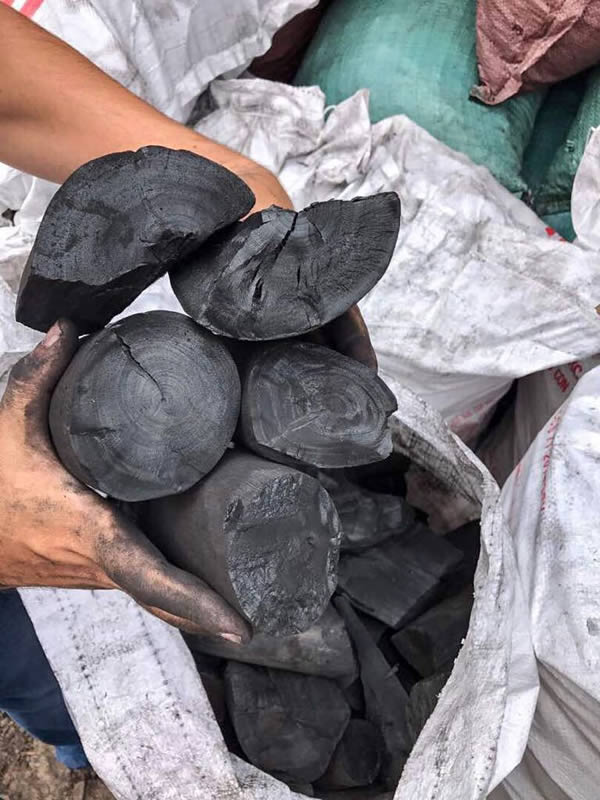
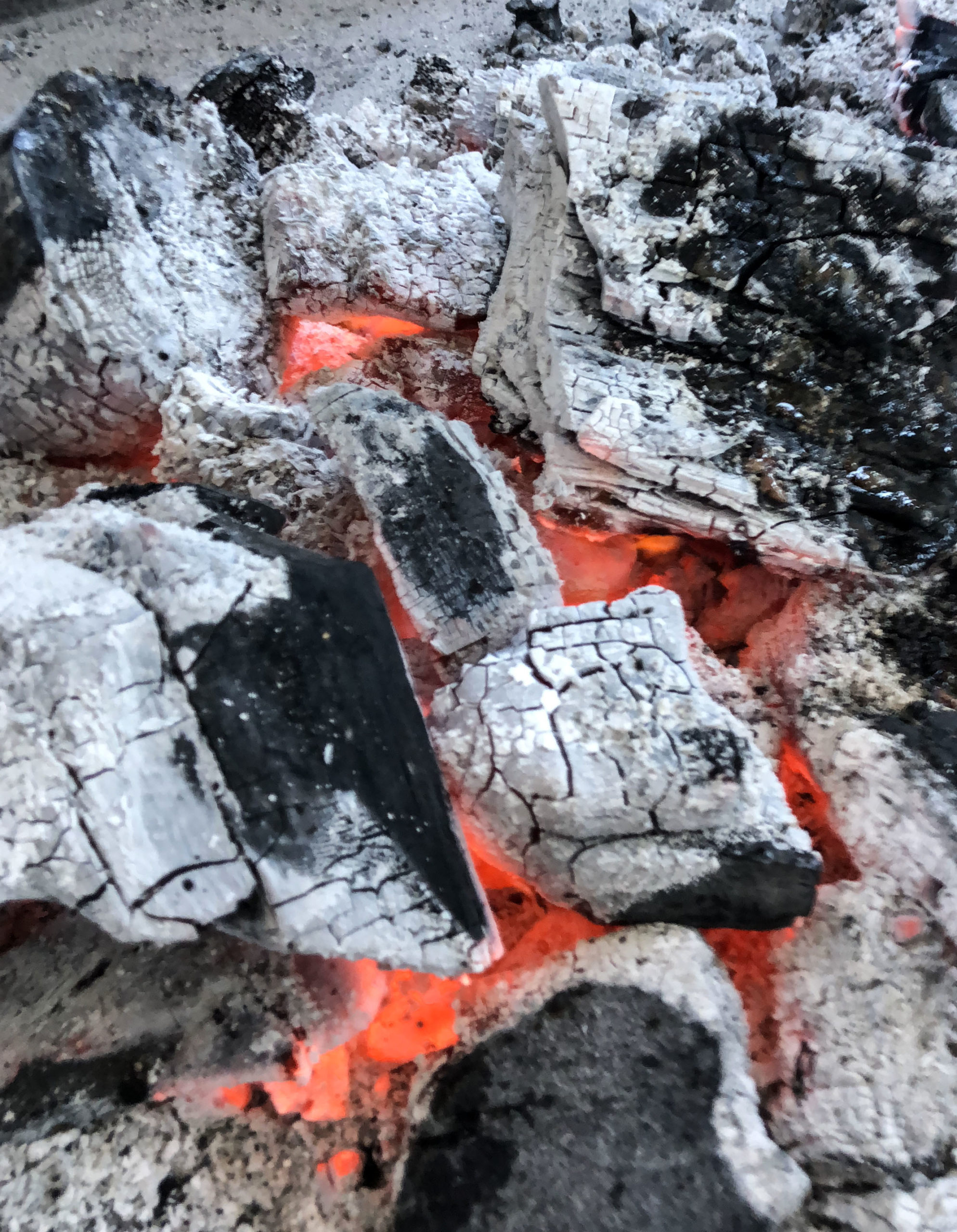
The firebox is the heart of your smoker. This is where you build and maintain your fire, using quality lump charcoal as a long-burning heat base and adding hardwood logs or chunks for that signature smoke flavour. It features a side door for adding fuel during a long cook without disturbing the main chamber, and a crucial air intake vent, or damper. This damper controls the amount of oxygen reaching the fire, giving you direct command over your cooking temperature. More air means a hotter fire; less air cools it down.
The Cooking Chamber: The Low and Slow Zone
This long, barrel-shaped chamber is where the magic happens. Your briskets, ribs, and pork butts rest on cooking grates, well away from the direct flames. Heat and smoke travel from the firebox into this chamber, cooking the meat indirectly. This design, which you can read more about on the Offset Smoker on Wikipedia page, is what defines true barbecue. Be aware that most traditional offsets have a temperature gradient, being hotter on the side closest to the firebox. A heavy, well-sealed lid is essential for trapping heat and smoke inside.
The Chimney (Exhaust Stack): Driving the Airflow
Located at the opposite end from the firebox, the chimney’s primary function is to create a ‘draw’ or ‘draft’. As hot air rises, it pulls heat and smoke from the firebox, across the food in the cooking chamber, and out through the stack. This constant airflow is vital for clean combustion and even cooking. An exhaust damper on the chimney allows you to fine-tune this draw, controlling how long smoke stays in the chamber. A fully open damper creates a faster draw for a cleaner fire, while partially closing it can intensify the smoke flavour.
How Offset Smokers Work: The Science of Heat and Smoke Flow
Unlike a standard grill that cooks with direct radiant heat, offset smokers are masters of convection. The entire cooking process relies on the controlled movement of hot air and smoke. It’s a straightforward system: air enters through a vent on the firebox, feeds the fire, and then carries heat and smoke horizontally across the cooking chamber, over your food, and finally out through the exhaust stack. The goal is to achieve a steady flow of ‘clean smoke’—a thin, almost invisible blue smoke that imparts a smooth, delicious flavour. Thick, white, billowing smoke is a sign of incomplete combustion and will make your food bitter.
Mastering Airflow for Stable Temperatures
Managing airflow is the most critical skill for any pitmaster. Think of your intake and exhaust dampers as the controls for a bellows. More air feeding the fire means a hotter, cleaner burn. A good starting point is to leave the firebox intake vent wide open and make your primary adjustments using the exhaust damper on the chimney. Small, patient changes are key; avoid constantly fiddling with the vents. Mastering this balance is fundamental, and a good Beginner’s Guide to Smoking can provide excellent foundational tips for your first few cooks.
Fuel Management: The Role of Charcoal and Wood
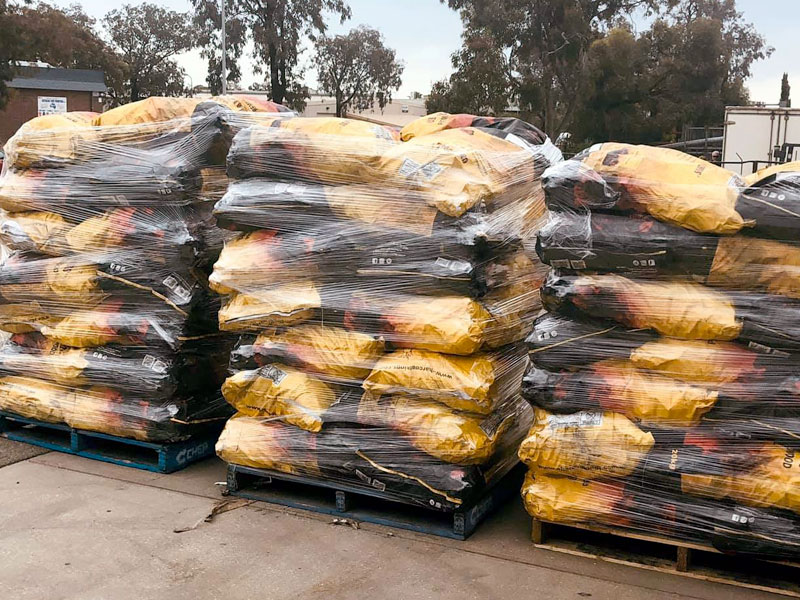
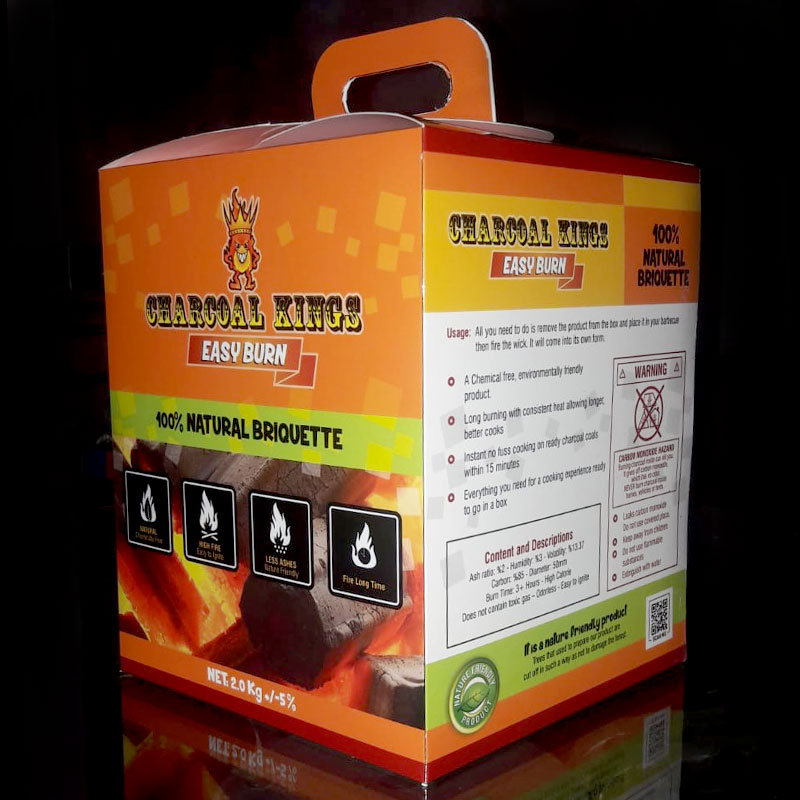
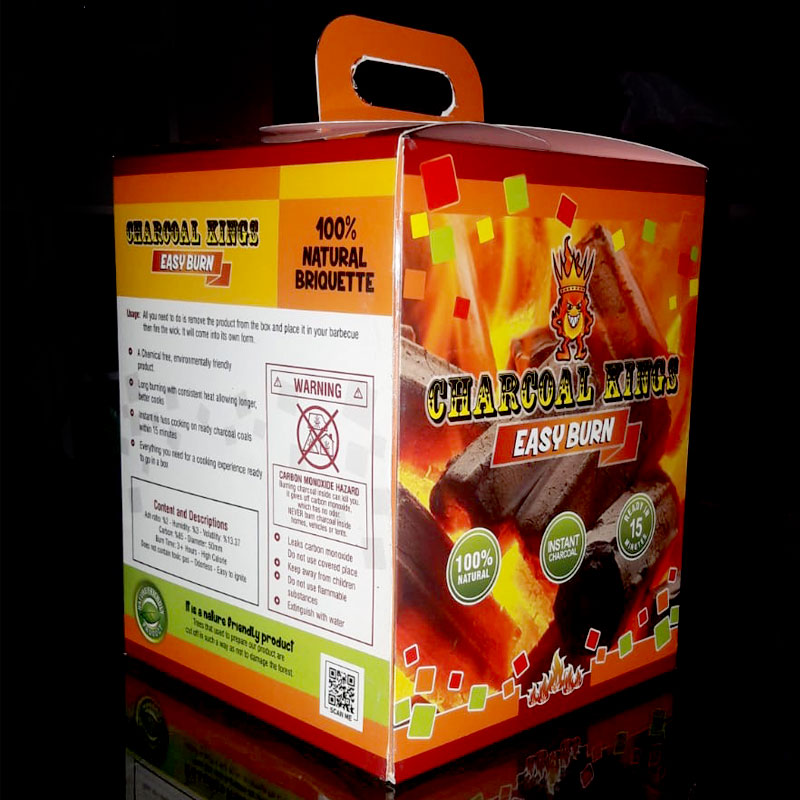
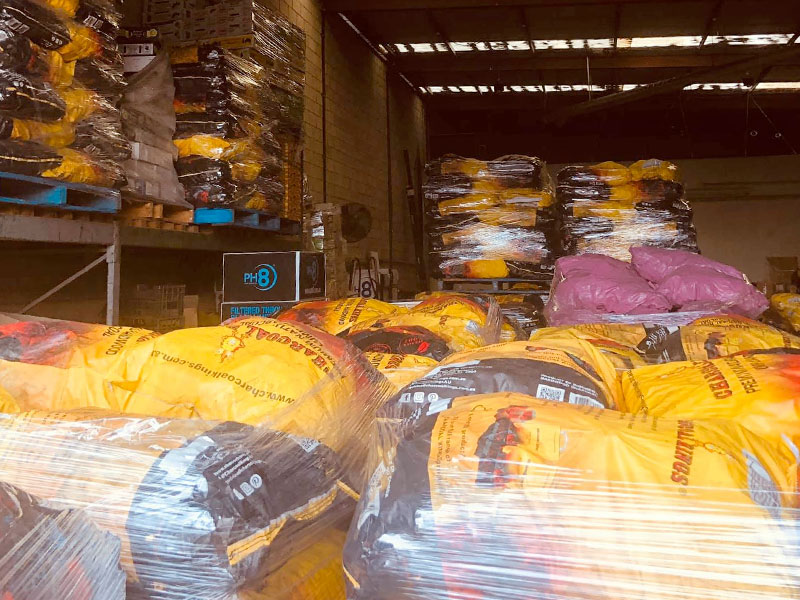
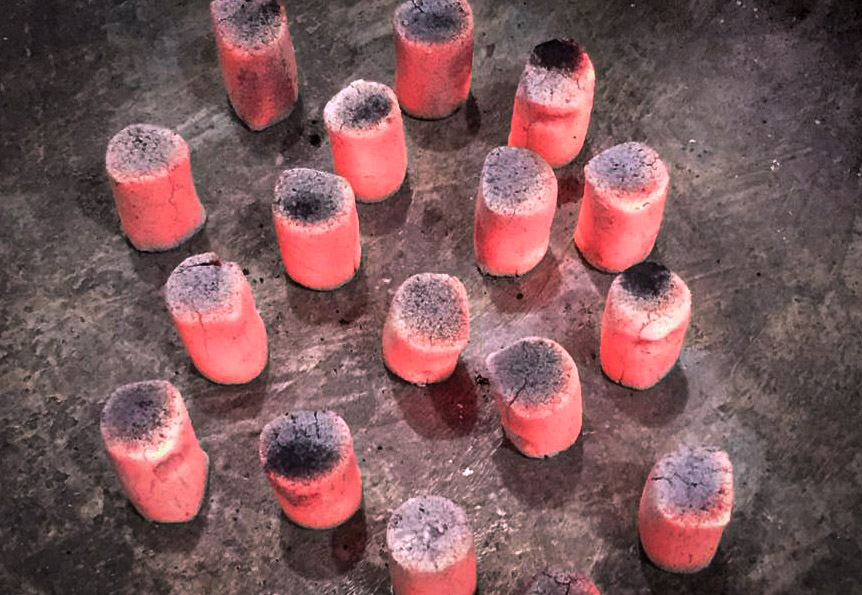
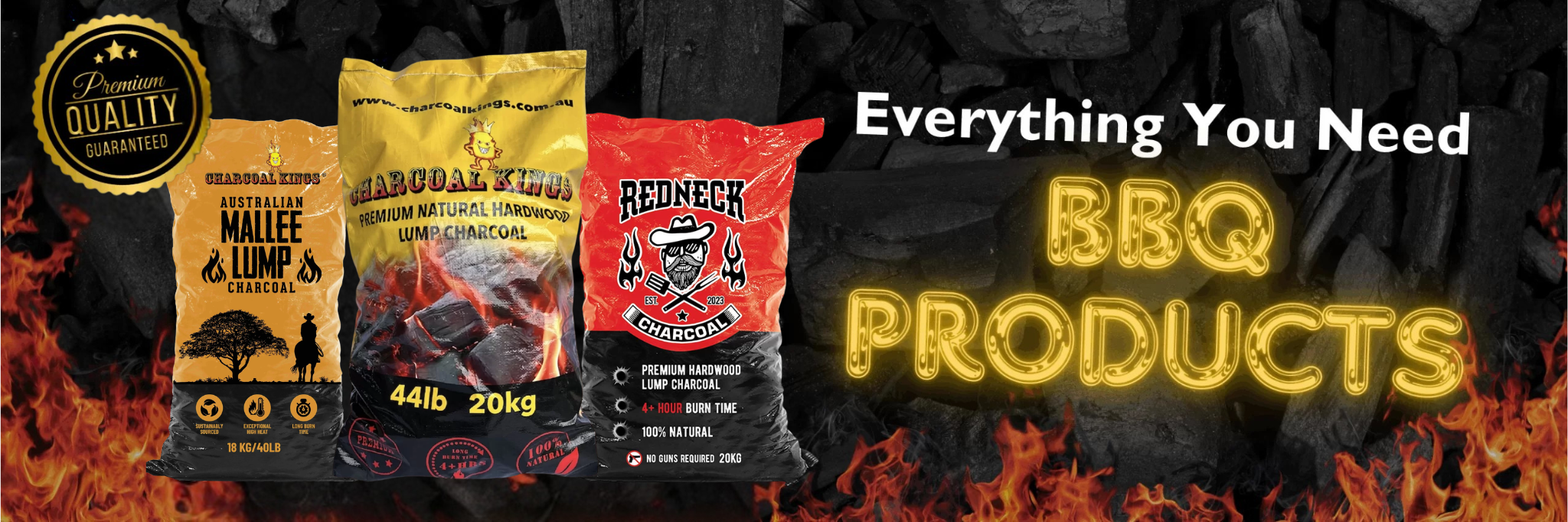
Consistent results start with quality fuel. The best practice for offset smokers is to build a hot, stable bed of charcoal to serve as your primary heat source. This provides the consistent temperature needed for long cooks. Wood splits or chunks are then added periodically on top of the coals, not for heat, but to generate the flavourful smoke. Using properly seasoned, dense hardwood is non-negotiable for producing that desirable clean smoke. Find the perfect fuel with our premium lump charcoal and smoking woods.
Understanding the Temperature Gradient
By design, all traditional offset smokers have a natural temperature gradient. The end of the cooking chamber closest to the firebox will always be hotter than the end near the chimney. Don’t fight this—use it to your advantage. Place larger cuts of meat or those that can handle more heat, like a pork butt, on the hotter side. More delicate items can go on the cooler end. For a more even cooking environment, you can install aftermarket tuning plates to help diffuse the heat more evenly across the chamber.
Traditional vs. Reverse Flow: Which Offset Smoker is for You?
When you start shopping for offset smokers, you’ll find they are not all built the same. The fundamental difference lies in how heat and smoke travel from the firebox through the main cooking chamber. This design choice creates two distinct categories: traditional (or standard flow) and reverse flow.
Both styles can produce championship-level barbecue with premium lump charcoal and smoking woods. However, their performance, learning curve, and price points are very different. Understanding this is the key to choosing the right pit for your needs and budget.
The Classic: Traditional Offset Smokers
In a traditional offset, heat and smoke travel a direct path from the firebox, straight across the cooking grates, and out the chimney on the opposite end. This direct flow is simple and effective, but it creates a natural temperature gradient that demands a more hands-on approach to cooking.
- Distinct Hot Zones: The area closest to the firebox runs significantly hotter than the end near the chimney, requiring you to rotate your meat for an even cook.
- Requires More Skill: Managing these temperatures demands active fire management. It is a hands-on style of cooking that many pitmasters enjoy mastering.
- More Common and Affordable: This is the most common design in Australia. They are generally less expensive, with quality entry-level units starting around the A$700 mark.
The Innovator: Reverse Flow Smokers
A reverse flow smoker is engineered for superior temperature stability. It features a solid steel baffle plate under the grates that forces heat to the far end of the chamber. The heat then reverses direction—or ‘flows back’—over the food before exiting through a chimney located next to the firebox.
- Even Cooking Temperatures: The baffle plate radiates consistent heat, virtually eliminating hot spots. This creates an incredibly stable cooking environment perfect for a ‘set and forget’ cook.
- Greater Fuel Efficiency: The heavy steel plate acts as a heat sink, retaining and distributing warmth more effectively, often leading to better fuel efficiency over a long cook.
- Heavier and Pricier: All that extra steel makes these units significantly heavier and more expensive. Expect to pay a premium, with prices in Australia often starting from A$2,000 and up.
The Pros and Cons of Cooking with an Offset Smoker
An offset smoker is a commitment. It’s not an appliance; it’s an instrument for the serious barbecue enthusiast. Unlike a ‘set and forget’ pellet grill or an insulated kamado, cooking on an offset is a hands-on craft that demands your attention. For the pitmaster dedicated to authentic flavour and the primal process of managing a live fire, the rewards are unmatched. But before you invest, it’s crucial to weigh the significant pros against the very real cons.
Advantages: Unmatched Flavour and Cooking Capacity
The number one reason pitmasters choose an offset is for the flavour. Nothing replicates the deep, smoky taste of a true stick-burner using premium Australian hardwoods like Ironbark or Red Gum. This authentic profile is what competition barbecue is built on. Beyond flavour, offset smokers offer a massive cooking capacity. You can easily fit multiple 8kg briskets, pork butts, and full racks of ribs, making them ideal for feeding a large crew at your next gathering. They also make a serious statement in your backyard—a well-built offset is a piece of functional art and a centrepiece for your outdoor cooking setup. For many, the process itself is the main draw; tending the fire becomes an engaging and deeply rewarding ritual.
Disadvantages: The Learning Curve and Commitment
The hands-on nature of an offset is also its biggest challenge. It demands constant attention to manage the fire, add wood splits every 45-60 minutes, and maintain a stable temperature. This is a world away from the convenience of a digitally controlled pellet smoker. They are also hungry for fuel, consuming significantly more premium charcoal and smoking woods than other cookers, which is an ongoing cost to factor into your budget. Build quality is critical; cheaper, thin-walled models from hardware stores often suffer from air leaks and poor heat retention, making temperature control a constant, frustrating battle. Finally, consider the space. These units are large and heavy, requiring a permanent, dedicated footprint in your yard or patio.
Getting Started: Essential Tips for Your First Cook
Mastering offset smokers is a journey, not a race. Your first cook is about learning the fundamentals of fire management and airflow, not achieving perfection. Forget the pressure and embrace the process. These essential, no-nonsense tips are designed to build your confidence and ensure your first attempt is a successful one.
Seasoning Your New Smoker (The ‘Cure’)
Before any food touches the grates, you must season your smoker. This crucial first step burns off any manufacturing oils or residues and creates a protective, non-stick layer inside the cook chamber. This barrier helps prevent rust and creates a pure environment for smoking.
- Step 1: Lightly wash the interior surfaces with warm, soapy water and dry thoroughly.
- Step 2: Coat the entire interior—grates and walls—with a thin layer of high-smoke-point oil, like canola or grapeseed oil.
- Step 3: Build a fire and run the smoker at around 135-150°C for at least two to three hours. You’ll see the interior darken to a matte black finish.
Building and Maintaining Your Fire
A clean, consistent fire is the heart of successful barbecue. The goal is thin, blue smoke—not thick, white, billowing smoke which creates a bitter taste. Start with a quality fuel base. We recommend using a charcoal chimney to get a full load of premium lump charcoal glowing hot. Once you have a solid bed of coals in the firebox, you can begin adding your smoking wood. Add one pre-heated hardwood split at a time, waiting for it to fully ignite and burn cleanly before adding the next.
Your First Cook: Start with Something Forgiving
For your first cook, set yourself up for a win. Choose a cut of meat that is tolerant of the temperature fluctuations that are common while you’re learning to manage your fire. Pork butt (for pulled pork) or whole chickens are excellent choices. Their higher fat content and resilient connective tissues make them incredibly forgiving. This allows you to focus on managing the smoker without the stress of ruining an expensive or delicate cut. Save the brisket for when you have a few cooks under your belt.
Now that you have the fundamentals, it’s time to get started. Explore our range of offset smokers and start your BBQ journey today.
Your Path to Authentic Low-and-Slow BBQ
You are now equipped with the foundational knowledge to conquer low-and-slow cooking. From understanding the core anatomy and the crucial flow of heat to choosing between a traditional or reverse flow unit, you have the roadmap to success. Mastering offset smokers is a rewarding craft that takes practice, but the result is unparalleled, authentic barbecue flavour that will make you the hero of any gathering.
Great technique demands great equipment and fuel. At Charcoal Kings, we deliver both. As Australia’s trusted source for premium charcoal and smokers, we provide the competition-grade hardware and expert advice that serious pitmasters rely on. We are proud to be fueling Australia’s best BBQ, ensuring every cook is set up for success from the very start.
Ready to turn that knowledge into mouth-watering results? Explore Our Premium Range of Offset Smokers and Get Sizzlin’! Your journey into the world of authentic, wood-fired flavour awaits.
Frequently Asked Questions About Offset Smokers
What’s the difference between a cheap and an expensive offset smoker?
The primary difference is steel thickness and build quality. Inexpensive smokers, often under A$800, use thin metal that causes poor heat retention and major temperature fluctuations. They also suffer from air leaks, making fire management difficult. A premium unit, starting from A$2,000, is built from thick-gauge steel for stable temperatures and features quality welds and tight seals. This ensures consistent performance and superior fuel efficiency.
Can you grill steaks or burgers on an offset smoker?
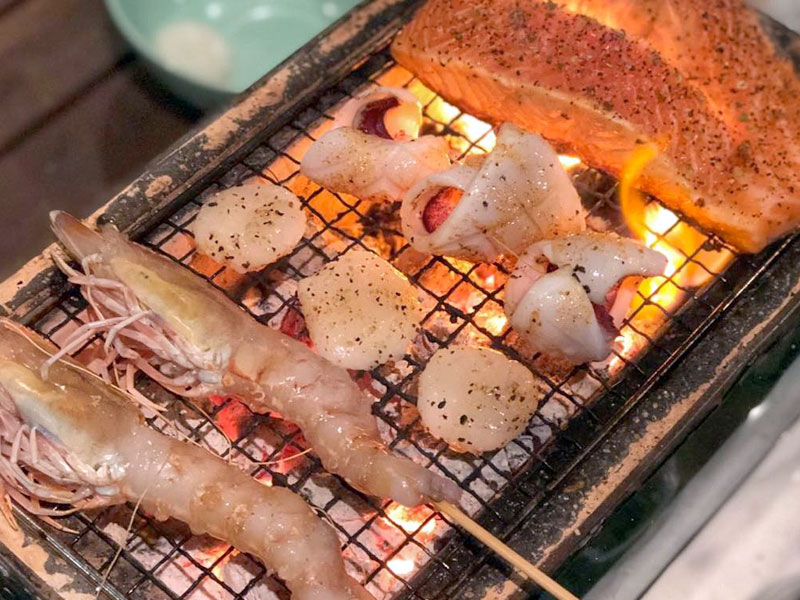
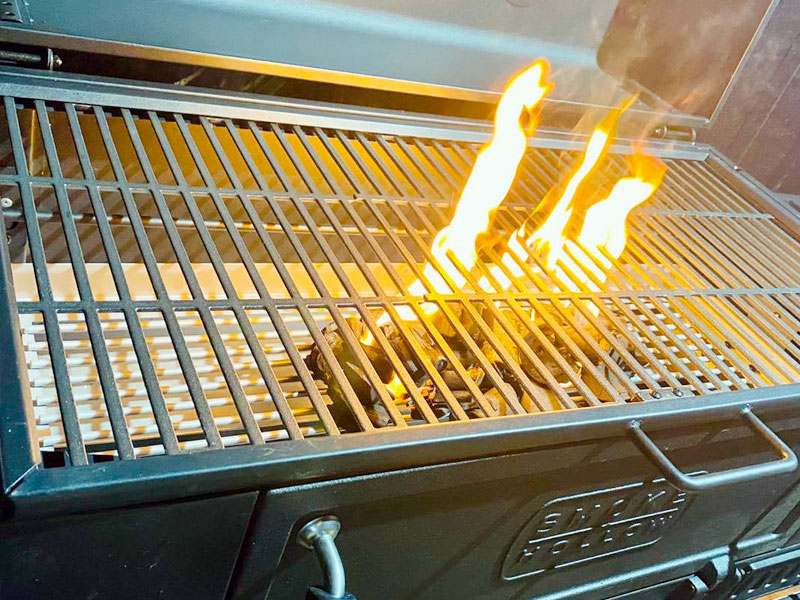
Yes, you can grill directly over the firebox. Most offsets include a cooking grate specifically for the firebox, allowing you to sear steaks or cook burgers at high temperatures. This is an effective way to achieve a perfect char while your main chamber is smoking low and slow. It provides excellent versatility for a reverse sear or for cooking a few items quickly, making it more than just a smoker.
How do I stop my offset smoker from producing bitter, white smoke?
Bitter, white smoke indicates incomplete combustion. The solution is a small, hot, clean-burning fire. Always use properly seasoned hardwood with low moisture content. Ensure your firebox has adequate airflow by keeping the intake vent sufficiently open to feed the fire oxygen. Start with a solid bed of hot lump charcoal before adding small wood splits. The ideal smoke is thin, pale blue, and almost invisible.
How much charcoal and wood do I need for a long cook?
Fuel usage depends on your smoker’s efficiency, the weather, and your target temperature. For a 10-12 hour cook, a reliable starting point is one full chimney of quality lump charcoal to build a hot coal bed. After that, expect to add one small, seasoned wood split every 30-45 minutes. A 10kg bag of premium charcoal and a generous stack of wood should be sufficient for a full day of cooking.
Is a reverse flow offset smoker better for beginners?
Yes, a reverse flow offset smoker is an excellent choice for beginners. It uses a baffle plate to direct heat and smoke to the far end of the pit before it circulates back over the food. This design creates highly consistent temperatures across the entire cooking surface. The elimination of hot spots makes temperature control less demanding, providing a more forgiving experience while you master fire management.
How do I manage an offset smoker in wind or rain?
In windy conditions, position the smoker so the wind blows into your firebox intake vent to assist airflow, not against the exhaust stack. In rain or cold, your unit will consume more fuel to maintain temperature. Be prepared to add wood more frequently. A welding blanket over the cook chamber can help insulate it and improve efficiency. Always keep your charcoal and wood splits dry to ensure a clean burn.