
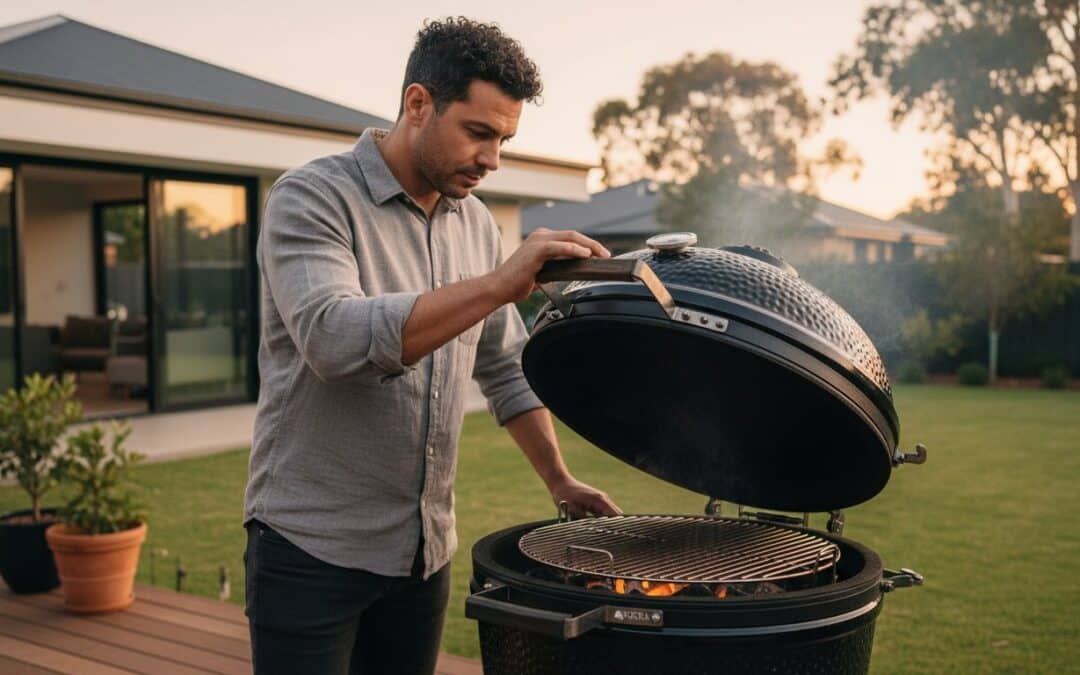
Staring at that pristine ceramic dome can be intimidating. The pressure of the first cook on a new kamado is real-you’ve invested in a premium piece of equipment, and the last thing you want is to crack it, waste a quality cut of meat, or spend hours fighting the vents. The uncertainty around ‘seasoning’ and managing airflow is enough to stop many new owners in their tracks before they even light the first piece of natural lump charcoal.
This is where the guesswork ends. Our expert guide provides the definitive, step-by-step process to take you from unboxing to your first successful meal. We will walk you through the crucial seasoning burn, show you how to master temperature control with precision, and ensure your first result is delicious, not disastrous. Follow this plan to build confidence, protect your investment, and start your kamado journey the right way. Let’s fire it up.
If you’re still in the research phase or considering what your next kamado might be, it’s always a good idea to explore Kamado BBQ’s to see the range of high-quality models and accessories available.
Key Takeaways
- Before you start cooking, a crucial “burn-in” is required. This essential first step seasons your kamado and protects its ceramic and gaskets for long-term performance.
- Kamado temperature control is all about precise airflow. Learn how the top and bottom vents work together to dial in and maintain your target heat.
- The right fuel is critical for your first cook on a new kamado. Discover why premium lump charcoal provides the steady, clean heat your grill was designed for.
- Don’t waste quality charcoal after your cook. Master the proper shutdown technique to save unused fuel and keep your kamado in top condition.
Before You Cook: The Crucial First Burn-In (Seasoning)
Welcome to the world of kamado cooking. You’ve invested in a premium ceramic grill, and your first instinct is to fire it up for a massive feast. Before you do, there’s one critical step you must not skip: the seasoning burn, also known as the first burn-in. This initial, low-temperature fire is non-negotiable for the long-term health and performance of your grill. It’s the foundation for every great meal to come.
To see this process in action, watch this straightforward guide:
What is a Seasoning Burn and Why is it Essential?
A seasoning burn is a controlled, low-and-slow dry run without any food. Its purpose is twofold. First, it allows the adhesive on the felt gaskets to cure properly, creating a perfect airtight seal between the lid and the base. Second, it safely burns off any harmless oils, solvents, or dust left over from the manufacturing and shipping process. This initial heating also drives out any trapped moisture within the porous ceramic, a crucial step to prevent cracking under high temperatures later. Understanding the history of the Kamado grill reveals just how important this ceramic material is to its function, so protecting it from day one is key.
Step-by-Step Guide to Your First Burn-In
Executing a proper seasoning burn is simple. This process sets the stage for a successful first cook on a new kamado and ensures your grill is ready for years of service. Follow these exact steps to avoid any damage and prepare your grill correctly.
- Fill the Firebox: Start by filling the firebox with a quality, natural lump charcoal. Avoid briquettes for this burn, as they can contain additives you don’t want baked into your ceramic.
- Light the Charcoal: Use a natural firelighter to ignite the charcoal in one central spot. Do not use lighter fluid, as it can be absorbed by the ceramic and taint future cooks.
- Control the Temperature: Open the top and bottom vents fully to get the fire started. Once the temperature begins to rise, start closing the vents to stabilise it. Aim for a low, steady temperature between 120°C and 175°C. Do not exceed 200°C.
- Hold and Shut Down: Maintain this low temperature for 1-2 hours. After the time is up, completely close both the top and bottom vents to extinguish the fire. Let the kamado cool down naturally. Do not use water to put out the coals.
Once your kamado has completely cooled, it is officially seasoned and ready for action. You’ve built the foundation for incredible flavour and reliable performance.
Mastering Kamado Airflow: Your First Lesson in Temperature Control
Forget complex controls. A kamado grill is a simple, powerful machine run by one thing: airflow. Mastering the top and bottom vents is the single most important skill for a successful first cook on a new kamado. Think of them as the accelerator and the fine-tuning brake for your fire. Understand this relationship, and you control the entire cook. We recommend a “dry run”-lighting a small amount of premium charcoal and practicing temperature control before you even think about putting food on the grates.
The Bottom Vent: Your Main Accelerator
This is your primary air intake. It feeds oxygen directly to your lump charcoal. The rule is simple: a wider opening means more air, a hotter fire, and a rising temperature. Make small, half-centimetre adjustments and wait several minutes to see the effect. Kamados are incredibly efficient, and changes are not instant. For your initial light, start with the bottom vent about halfway open and adjust from there.
The Top Vent: Your Fine-Tuning Control
The top vent, or daisy wheel, manages the exhaust. It lets heat and smoke out, allowing you to make precise, degree-by-degree adjustments. Keeping it at least partially open is critical to prevent bitter, stale smoke from ruining your food. This fine control is what allows you to dial in a specific temperature and hold it for hours. This precision is crucial for everything from low-and-slow brisket to ensuring you hit the scientifically-backed safe internal temperature for chicken.
Avoiding the Dreaded Temperature Spike
A key lesson for any kamado user is that it’s far easier to raise the temperature than it is to bring it down. The ceramic dome is an incredible insulator; once it’s hot, it stays hot. Always approach your target temperature from below. As you get within 15-20°C of your goal, begin closing both vents incrementally to coast into the perfect temperature. If you overshoot, close the vents almost completely to starve the fire of oxygen. The temperature will drop, but it will take time. Patience is the key.
Gearing Up: Essential Fuel and Tools for Your First Cook
Your kamado grill is a premium piece of equipment. To unlock its full potential, you need to pair it with the right fuel and tools. Using substandard gear is the fastest way to a disappointing result. Investing in quality from the start ensures your first cook on a new kamado is not just a trial run, but a genuine success. This setup is about control, safety, and superior flavour.
Why Lump Charcoal is a Must for Kamados
Forget everything you know about standard briquettes. Kamado grills are high-performance cookers, and they demand a high-performance fuel. Lump charcoal is the only serious choice. It is 100% natural hardwood, free from the binders and chemical additives found in many briquettes. This purity translates directly to cleaner smoke and better-tasting food.
- Higher Heat & Faster Lighting: Lump charcoal lights quicker and burns significantly hotter, giving you the power to sear steaks perfectly.
- Minimal Ash Production: It produces far less ash than briquettes, which is critical for maintaining consistent airflow during long, low-and-slow cooks. Clogged vents are not an option.
- Superior Flavour: Because it’s just pure wood, it imparts a clean, authentic smoky flavour that enhances your food, rather than overpowering it.
Don’t compromise on the heart of your cook. Fuel your kamado with the best. Shop our premium, natural hardwood lump charcoal.
Key Accessories You’ll Need
Beyond the fuel, a few essential accessories will make your cooking experience safer and more efficient. These aren’t just nice-to-haves; they are core components for mastering your kamado. Investing in high-quality gear means you’re prepared for any recipe, from a quick sear to an all-day smoke.
- Heat Deflector: This is non-negotiable. A ceramic heat deflector plate turns your kamado into a true convection oven, essential for smoking, baking, and roasting.
- High-Quality Grilling Gloves: A kamado’s ceramic body retains incredible heat. You’ll need heavy-duty, high-temperature gloves to safely handle internal components. Always follow official grilling safety guidelines to prevent burns.
- Instant-Read Thermometer: Guesswork leads to failure. A reliable digital thermometer is the only way to know for sure when your meat is cooked to perfection.
- Grill Grate Gripper: This simple tool allows you to safely and securely lift a hot, heavy grill grate to add more charcoal or wood chunks.
With the right fuel and these core tools, you are properly equipped for an excellent first cook on a new kamado.
Your First Cook Recipe: Easy & Forgiving Roasted Chicken
You’ve seasoned your grill and understand the basics of airflow. Now it’s time to put that knowledge into practice. We’re starting with a simple, low-risk recipe that delivers a high-reward result: a whole roasted chicken. This is the perfect choice for your first cook on a new kamado because it teaches the most important skill you need to master-managing stable, indirect heat.
Forget complex techniques for now. The goal here is to build confidence and learn how your specific grill behaves, all while producing a perfectly juicy, smoke-kissed bird with crispy skin. This cook proves the kamado’s versatility as a convection oven and a smoker in one.
Prep: The 5-Minute Perfect Chicken
Simplicity is key. There’s no need to marinate or brine for this initial cook. We want to focus on the grill’s performance, not a complicated recipe. Let the chicken sit at room temperature while your kamado comes up to heat.
- Take one whole chicken (approx. 1.5kg) and pat it completely dry with paper towels. A dry surface is essential for crispy skin.
- Lightly coat the entire chicken with olive oil or another high-smoke-point oil.
- Season generously on all sides with your favourite BBQ rub. A simple salt, pepper, and garlic powder mix works perfectly.
Grill Setup for Indirect Roasting
The magic of kamado cooking is its ability to hold steady temperatures for hours. This setup turns your grill into a highly efficient outdoor oven. Fill your firebox with a quality natural lump charcoal to ensure a clean, stable burn. Light the charcoal, and with the vents adjusted, let the temperature stabilise at 180°C (350°F). Once stable, install your heat deflector plates and place the cooking grate on top. This crucial step blocks the direct flame, creating a true indirect cooking environment.
Cooking and Finishing
With your grill set up for indirect heat, the hard work is done. Place the prepared chicken in the centre of the grate, close the dome, and let the kamado do its job. Cook to temperature, not time. Use a reliable meat thermometer and pull the chicken off the grill when the internal temperature of the breast reaches 74°C (165°F). This will typically take 60-90 minutes. Let the chicken rest on a cutting board for 10-15 minutes before carving. This step is not optional-it allows the juices to redistribute for a moist, tender result.
Post-Cook Cooldown and First Cleaning
The job isn’t finished when the food comes off the grill. A proper shutdown and cleaning routine is a critical part of the process, ensuring your grill’s longevity and saving you money on fuel. Finishing your first cook on a new kamado correctly sets the standard for every session that follows. The good news is that kamados are built for performance and require minimal maintenance. Master these simple steps to keep your grill in peak condition.
How to Safely Shut Down Your Kamado
One of the greatest efficiencies of a kamado is its ability to preserve unused fuel. By starving the fire of oxygen, you extinguish the coals, leaving plenty of premium lump charcoal ready for your next cook. The thick ceramic walls will retain heat for several hours, so always exercise caution.
- Close the Bottom Vent: Shut the lower draft door completely to cut off the primary air intake.
- Close the Top Vent: Seal the top vent to stop air from escaping. This smothers the fire quickly and efficiently.
- Let It Cool: Do not use water to cool the grill. Allow it to cool down naturally. This can take several hours.
Simple Cleaning for a New Grill
Kamado grills are largely self-cleaning. The high temperatures you cook at will incinerate most food residue, turning it into a fine ash. The cleaning after your first cook on a new kamado is straightforward and chemical-free. Keeping the inside of your grill natural is key to building up a great cooking patina.
- Brush the Grate: While the grill is still warm (but not blazing hot), use a quality grill brush to scrape off any remaining residue from the cooking grate.
- Remove the Ash: Once the kamado is completely cool, use an ash tool to stir the leftover charcoal, allowing the ash to fall through the fire grate. Remove the collected ash from the bottom of the grill.
- Avoid Water and Chemicals: Never use water or chemical cleaners on the inside ceramic. This can cause cracking and will ruin the seasoning you are working to build.
By following this simple cooldown and cleaning process, your kamado will be ready for action at a moment’s notice. When you need to restock for your next barbecue, trust Charcoal Kings for the premium, natural hardwood charcoal your grill deserves.
From First Burn to Flavour King: Your Kamado Journey Begins
Congratulations! You’ve successfully navigated the crucial seasoning burn, grasped the fundamentals of airflow for precise temperature control, and put that first delicious meal on the table. Completing your first cook on a new kamado is a significant achievement, officially starting your journey from novice to pitmaster. You now have the foundational skills to tackle any recipe with confidence.
A master chef is only as good as their ingredients, and that starts with the fuel. The quality of your charcoal directly impacts heat consistency and, most importantly, flavour. That’s why Australia’s top restaurants and award-winning BBQ teams trust Charcoal Kings. We provide only 100% natural, chemical-free hardwood lump charcoal for a cleaner burn and superior taste that brings your food to life.
Don’t compromise on your next cook. Fuel your passion with the best in the business. Get Sizzlin’! Shop for the premium lump charcoal your new kamado deserves.
Welcome to the world of kamado cooking. The fire is lit, and a world of flavour awaits.
Frequently Asked Questions
Do I really need to do a seasoning burn on my new kamado?
Yes. A seasoning burn is not optional; it is a critical first step. This initial low-temperature burn cures the adhesive on your gaskets, creating a perfect airtight seal for superior temperature control. It also burns off any residual oils or dust from the manufacturing process. Skipping this step can compromise the performance and lifespan of your grill’s components. Treat it as the foundation for every great cook to follow.
What is the best temperature for the first kamado burn-in?
Keep the temperature low and stable. Aim for the 120°C to 150°C range and hold it there for at least two hours. A high-heat initial burn can shock the ceramics and damage the gasket before it has properly cured. A slow, controlled burn ensures all components settle correctly. This is the most important rule for a successful first cook on a new kamado and will ensure your grill’s longevity and performance from day one.
Can I use charcoal briquettes in a kamado grill?
We strongly advise against using charcoal briquettes. They are manufactured with binders and fillers that produce excessive ash, which can clog your kamado’s lower air vent and choke the fire. This severely impacts airflow and makes temperature control difficult. For a clean burn, superior heat, and minimal ash, always use 100% natural hardwood lump charcoal. It is the only fuel a high-performance kamado deserves.
What should I do if my kamado temperature gets too hot?
Act decisively. If your temperature overshoots your target, close the top vent down to a tiny sliver and slightly reduce the opening on your bottom vent. Do not open the dome, as the rush of oxygen will only fuel the fire and make the problem worse. The ceramic insulates so well that the temperature will drop slowly. Be patient and let the vents do their job to starve the fire of oxygen and bring the heat down.
How often do I need to clean the inside of my kamado?
A full interior clean is rarely necessary. Kamados are self-cleaning; the high temperatures of a cook will incinerate most grease and food residue. Your main task is to brush the cooking grate clean before each use. Every 3-5 cooks, or when ash builds up, clear it from the firebox to ensure proper airflow. A seasoned interior contributes to flavour and moisture retention, so avoid harsh chemicals or excessive scraping.
Is it normal for the felt gasket to change colour after the first cook?
Yes, this is completely normal and expected. The felt or fibreglass gasket will darken to a grey or black shade from exposure to heat and smoke. This discolouration is a sign that the gasket is curing properly and creating an effective seal. A darkened gasket is a working gasket, ensuring your kamado remains airtight for precise temperature management. It is a standard result of your first cook on a new kamado.