
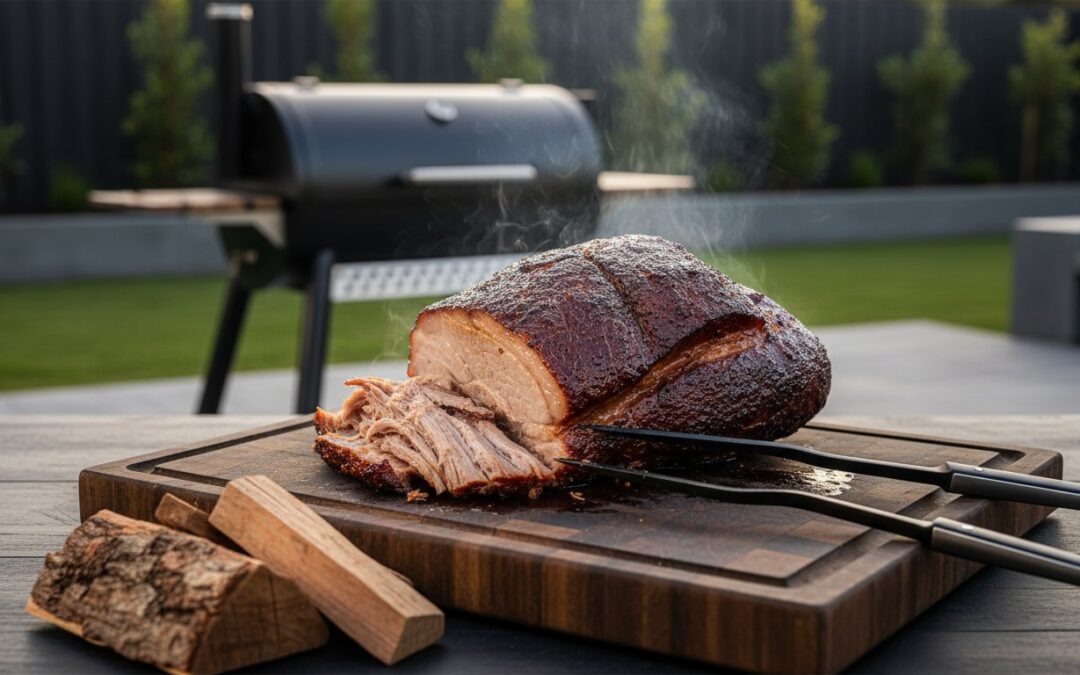
Staring at a prime pork shoulder, ready for the smoker, only to be stopped by one critical question: which wood will do it justice? The wrong choice can turn a potential masterpiece into a bitter, acrid mess. The right choice is the secret to that deep mahogany bark and fall-apart tender pulled pork that everyone craves. Choosing the best wood for smoking pork shoulder isn’t about guesswork; it’s about control and understanding flavour. It’s about delivering a premium result without wasting a quality cut of meat.
This is your definitive pitmaster’s guide. We cut through the confusion and deliver the facts on pairing classic Australian hardwoods like ironbark and fruitwoods like apple and cherry with your pork. You will learn the critical difference between chunks, chips, and pellets and exactly how much to use for a clean, consistent smoke-not an overpowering one. Forget the uncertainty. By the end of this guide, you will have the confidence to produce juicy, flavour-packed pulled pork every single time. Let’s get it done.
Key Takeaways
- Master the can’t-go-wrong fruit and hardwoods that form the foundation of championship-level pulled pork.
- Selecting the best wood for smoking pork shoulder means matching the smoke’s intensity to your desired flavour profile, from mild to bold.
- Discover why the form of your wood-chunks, chips, or splits-is just as critical as the type for achieving consistent, clean smoke.
- Avoid the common pitfalls that lead to bitter, acrid smoke and ruin an otherwise perfect cook.
Why Pork Shoulder is the King of ‘Low and Slow’ Smoking
When it comes to authentic barbecue, pork shoulder is the undisputed champion. It’s more than just a cut of meat; it’s the perfect canvas for smoke and flavour. The secret lies within its structure: generous intramuscular fat (marbling) and tough connective tissue, primarily collagen. These elements, which would be chewy in a fast-cooked steak, are the very reason pork shoulder excels under low and slow heat.
To see how different woods impact pork, watch this direct comparison:
The ‘low and slow’ process is a game of transformation. Over many hours, the low, steady heat gently renders the fat, basting the meat from the inside out and guaranteeing a moist, succulent result. At the same time, that tough collagen breaks down into rich, flavourful gelatine. This process is what creates that signature fall-apart texture. As the meat cooks, the exterior forms a dark, savoury crust known as ‘bark’-a delicious combination of rendered fat, spices from your rub, and smoke particles that have adhered to the surface. Choosing the best wood for smoking pork shoulder is critical to building that perfect bark.
The Science of Smoke: More Than Just Heat
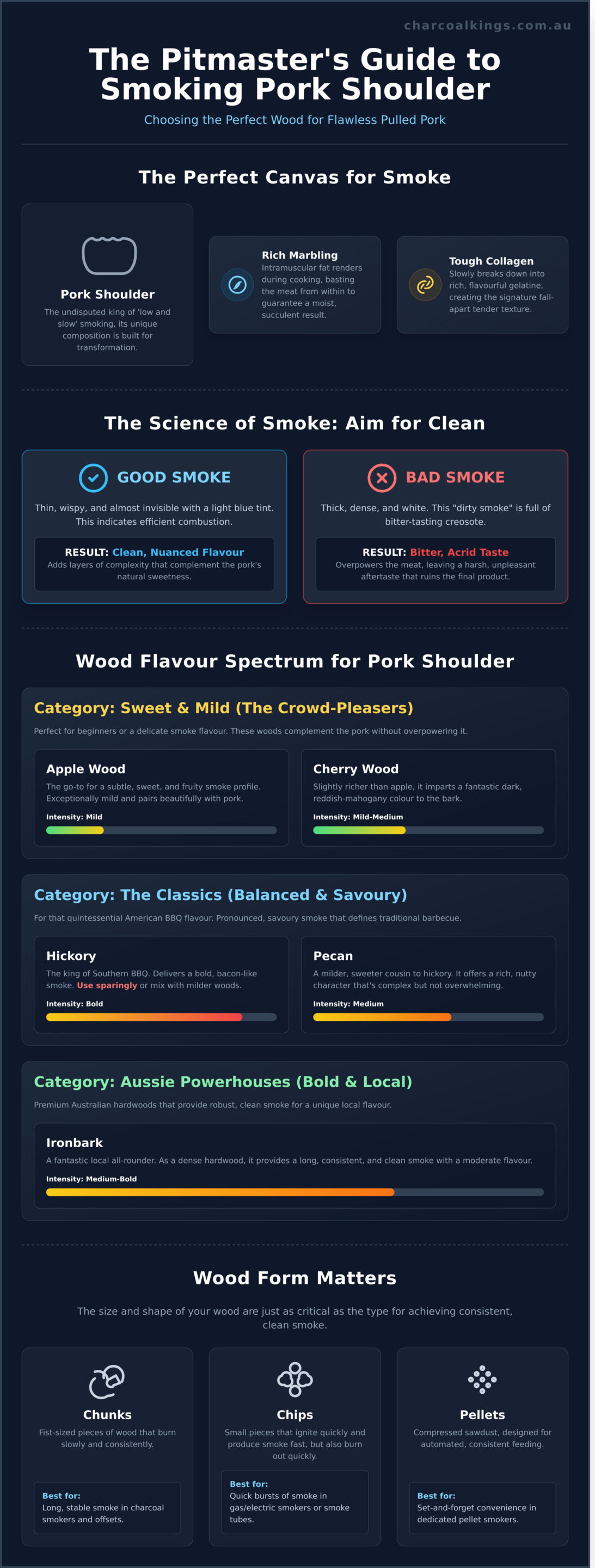
Smoke isn’t just heat; it’s a complex delivery system for flavour. It consists of microscopic particles and gases released during the incomplete combustion of wood. These compounds, like guaiacol and syringol, are responsible for the classic smoky aroma and taste. For a deep dive into the chemistry behind different smoking methods and wood types, the science is well-documented. The goal is to produce ‘clean smoke’-a thin, almost invisible blue smoke. This indicates an efficient fire and delivers the best flavour. Thick, white ‘dirty smoke’ will leave a bitter, acrid taste on your meat.
Matching Flavour Intensity to the Meat
Pork has a relatively mild, sweet flavour profile, making it incredibly versatile. It readily absorbs smoke, but it can also be easily overpowered. Unlike a beef brisket, which has a bold, beefy taste that can stand up to heavy-hitters like mesquite, pork shoulder requires a more balanced approach. The objective when selecting the best wood for smoking pork shoulder is to complement the natural sweetness of the pork, not dominate it. The right wood enhances the meat, adding layers of complexity that result in legendary pulled pork.
The Top Tiers: Can’t-Go-Wrong Woods for Pork Shoulder
When you’re aiming for perfect pulled pork, starting with the right fuel is non-negotiable. These woods are the reliable workhorses of the barbecue world, each offering a unique character to your cook. Choosing the best wood for smoking pork shoulder from this list guarantees a quality result. We’ve broken them down into clear flavour categories to simplify your choice. Remember, a long smoke requires diligence; always adhere to proper cooking temperatures and handling procedures as outlined in official resources like the USDA food safety guidelines to ensure a safe and delicious outcome.
Sweet & Mild: The Crowd-Pleasers
For those new to smoking or who prefer a more delicate flavour, these woods are the perfect choice. They complement the natural taste of pork without overpowering it, making them genuine crowd-pleasers.
- Apple Wood: The go-to for a subtle, sweet, and fruity smoke. It’s exceptionally mild and pairs beautifully with pork.
- Cherry Wood: Similar to apple but adds a slightly richer flavour and imparts a fantastic dark, reddish-mahogany colour to the bark.
The Classics: Balanced Smoke & Savoury Notes
If you’re chasing that quintessential American barbecue flavour, look no further. These woods are often considered the best wood for smoking pork shoulder by purists, providing a pronounced, savoury smoke profile that has defined low-and-slow cooking for generations.
- Hickory: The undisputed king of Southern BBQ. It delivers a bold, bacon-like smoke flavour. A little goes a long way, so use it sparingly or mix it with a milder wood.
- Pecan: A milder, sweeter cousin to hickory. It burns cooler and offers a rich, nutty character that’s complex but not overwhelming.
Aussie Powerhouses: Bold Local Flavours
Here in Australia, we have our own premium hardwoods that are perfect for the job. These local timbers provide robust, clean smoke that stands up well to the richness of a pork shoulder.
- Ironbark: A fantastic all-rounder. It’s a dense wood that burns long and clean, delivering a balanced, moderate smoke flavour that complements any cut.
- Red Gum: A true Aussie classic. It produces a strong, robust smoke profile with a satisfying depth, often compared to the boldness of hickory.
Find premium, natural Australian smoking woods for your next cook.
Pro-Level Technique: How to Use Wood for the Perfect Smoke
Selecting the best wood for smoking pork shoulder is only half the battle. True pitmasters know that technique is what separates a good result from a great one. How you use the wood-its form, quantity, and timing-is crucial for achieving that perfectly balanced, smoky flavour without any bitterness. Mastering these fundamentals will elevate your barbecue game.
Chunks vs. Chips: What’s Best for a Long Cook?
For a long, low-and-slow cook like a pork shoulder, wood chunks are the superior choice. Chunks are dense pieces of hardwood that smoulder for hours, releasing a steady, consistent stream of clean smoke. This is exactly what you need for deep flavour penetration. Wood chips, in contrast, burn hot and fast. They are better suited for shorter cooks on a gas grill or for adding a quick, intense burst of smoke.
How Much Wood is Too Much?
Less is almost always more. Over-smoking is a common mistake that leads to an acrid, bitter taste that ruins the meat. For a standard-sized smoker, start with 2-3 fist-sized chunks placed on your hot coals. The pork will absorb the most smoke in the first few hours of the cook, before the bark fully sets. Your goal is a thin, almost invisible “blue smoke,” not thick white plumes. Quality over quantity is the rule.
The Art of Blending Woods
Once you understand the basics, you can start creating custom flavour profiles by blending different woods. This technique adds layers of complexity to your final product. A classic, foolproof combination is a strong base wood like Hickory paired with a milder fruit wood.
- Hickory & Apple: The Hickory provides a strong, bacon-like smoke flavour, while the Apple wood mellows it out with a touch of sweetness and helps develop a rich, dark bark.
- Ironbark & Cherry: A fantastic Aussie combo. The powerful Ironbark smoke is balanced by the mild, sweet flavour and deep reddish colour imparted by the Cherry wood.
Start with trusted combinations before experimenting with your own. For a reliable burn and authentic flavour every time, ensure you’re using premium, natural smoking woods. Explore our full range of hardwood chunks and chips to perfect your technique.
Common Mistakes to Avoid When Smoking Pork Shoulder
You’ve done the research and selected the best wood for smoking pork shoulder. Now, the final step is to execute the cook perfectly. After investing up to 10 hours in a single piece of meat, the last thing you want is a simple mistake to ruin your hard work. Understanding what not to do is just as critical as knowing which wood to choose. Avoid these common pitfalls to guarantee a flawless result every time.
Using Green or Unseasoned Wood
Never use freshly cut, or “green,” wood for smoking. This wood is saturated with moisture and sap, which does not produce the clean, thin blue smoke you need. Instead, it creates a thick, white, steamy smoke that is harsh and acrid. This will coat your pork shoulder with an unpleasant, bitter flavour. Always use properly seasoned and dried smoking wood with a moisture content below 20% for a clean, consistent burn.
Never Use Softwoods or Treated Timber
This is a non-negotiable rule of barbecue. Under no circumstances should you ever use softwoods like pine, fir, or cedar for smoking meat. These resinous woods release potent, toxic compounds when burned that will make your food completely inedible and potentially unsafe. It is equally critical to avoid any kind of treated, painted, stained, or scrap lumber from construction sites. These materials contain dangerous chemicals that produce toxic fumes. Stick exclusively to natural, untreated hardwoods intended for cooking.
Forgetting About Your Charcoal
The quality of your heat source matters just as much as your smoking wood. Using cheap briquettes can be a costly error, as many are held together with chemical binders and fillers that can introduce an off-flavour to your food as they burn. For a long cook like a pork shoulder, you need a fuel that is reliable and clean-burning. A premium, natural lump charcoal provides a steady, long-lasting heat source without any unwanted additives. Your masterpiece starts with the right fuel. Shop Premium Charcoal and build a better foundation for your flavour.
Crown Your Pork Shoulder with the Perfect Smoke
Mastering that legendary, fall-apart pulled pork comes down to patience and the perfect flavour profile. As we’ve detailed, your choice of wood is the cornerstone of great barbecue. Whether you prefer the subtle sweetness of fruitwoods like apple and cherry or the bold, smoky punch of hickory, the right selection makes all the difference. Remember, technique is king: achieving a clean, consistent smoke is just as crucial as the wood itself. Ultimately, finding the best wood for smoking pork shoulder is a personal journey, but starting with these pitmaster-approved classics guarantees a flawless result every time.
Now that you’re equipped with expert knowledge, the final piece of the puzzle is superior fuel. At Charcoal Kings, we are dedicated to supplying that fuel. Our entire range is premium, 100% natural hardwood, with no chemicals or additives-just pure flavour. Trusted by retail and wholesale customers across the country, our quality is proven. With fast, Australia-wide delivery, getting the tools for your next masterpiece is simple.
Shop our premium range of smoking woods and get sizzlin’!
Frequently Asked Questions
Can I mix different types of smoking wood for pork shoulder?
Yes. Mixing woods is a standard technique for creating a more complex and balanced smoke profile. A common strategy is to pair a strong wood like hickory or ironbark with a milder fruit wood like apple or cherry. This combination delivers a robust smoke foundation with a subtle, sweet finish. A good starting point is a 70/30 ratio of mild to strong wood, which you can adjust to your preference on subsequent cooks.
Should I soak my wood chunks or chips before smoking?
No. Soaking wood is an outdated method that creates steam, not quality smoke. The water must evaporate before the wood can smoulder, which delays smoke production and can create a dirty, acrid flavour profile. For a clean and consistent burn, always use dry, seasoned wood chunks. They will smoulder correctly and infuse your pork shoulder with pure, natural hardwood flavour without the interference of steam or bitter taste.
How long does it take to smoke a pork shoulder?
The general guideline is 1.5 to 2 hours of smoking time per kilogram of pork, maintaining a smoker temperature of 120-135°C. However, the most reliable method is to cook to internal temperature, not time. Your pork shoulder is ready to be pulled when it reaches an internal temperature of 90-95°C. This ensures all the tough connective tissues have rendered down, resulting in a tender and juicy final product.
What’s the difference between pork shoulder and Boston butt?
In Australia, these terms are often used interchangeably, but they are technically different cuts. The “Boston butt” is the upper portion of the whole pork shoulder, prized for its fat marbling and uniform shape. The lower part is the “picnic shoulder.” When a recipe calls for pork shoulder for pulling, it almost always refers to the Boston butt, as it is the premium cut for low-and-slow smoking due to its rich flavour and texture.
Is it possible to use too much smoke?
Absolutely. Over-smoking is a common error that makes the meat taste bitter and acrid. The goal is a balanced smoke flavour that enhances the pork, not dominates it. For a long cook like a pork shoulder, you only need to apply wood for the first 3-4 hours. The meat absorbs the majority of its smoke flavour early in the cooking process. After that, focus on maintaining a clean, steady heat from your premium natural charcoal.
What are the best woods for other meats like beef brisket or chicken?
While finding the best wood for smoking pork shoulder involves sweet and mild profiles, other meats require a different strategy. For a beef brisket, you need robust woods like ironbark, hickory, or mesquite to stand up to the strong beef flavour. Chicken, being more delicate, requires a lighter touch. Use mild fruit woods like apple, cherry, or other light fruitwoods to avoid overpowering the meat. Always match the strength of the wood to the strength of the meat.